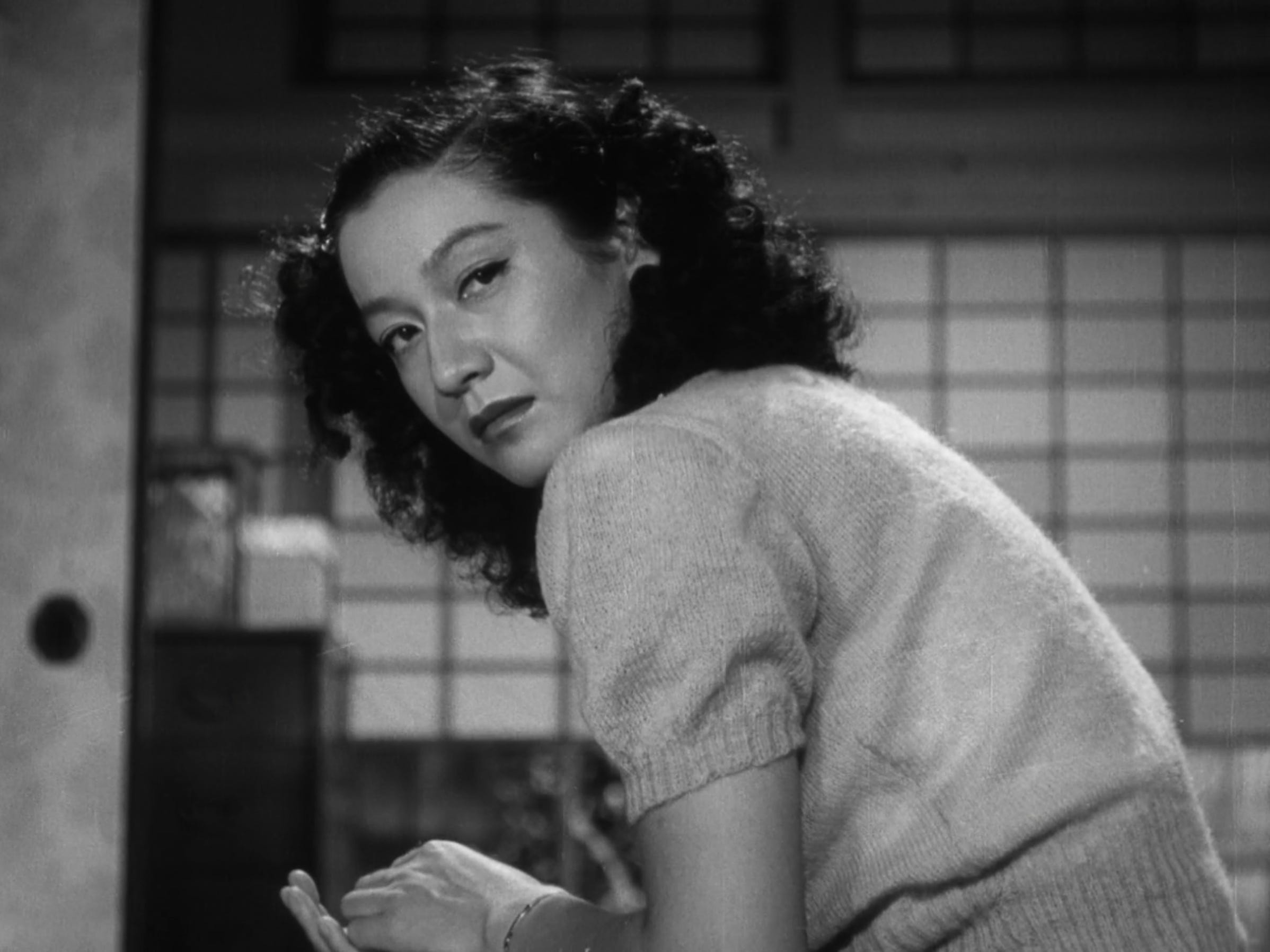
Setsuko Hara
 Japan
JapanAlso known as: Masae Aida, Hara Setsuko, Japan's Garbo, The Eternal Virgin
Birthday
June 17, 1920
Birth Sign
Gemini
Birthplace
Yokohama, Japan
Age
Died at 95
Height
5 ft 2 in (157 cm)
About
Setuko Hara was a Japanese actress and one of the most iconic figures in cinema history. Born Masae Aida in Yokohama, she became known as "Japan's Garbo" for her enigmatic beauty and reserved demeanor. She spent her career portraying women who balanced tradition with modernity, often playing characters who sacrificed their own desires for family duty. Her quiet screen presence and ability to convey deep emotion without dramatic outbursts defined a generation of storytelling that prioritized restraint over spectacle.
Hara retired from acting at the peak of her fame in 1963 to live a private life after the death of her frequent collaborator, director Yasujirō Ozu. Yet her impact on film history remained profound until her death on September 5, 2015, at the age of 95. Her partnership with Ozu produced some of the most celebrated films in world cinema, including Late Spring, Tokyo Story, and An Autumn Afternoon. Across more than 100 films and numerous television appearances, she never repeated the same role twice.
Early Life & Background
She entered the world as Masae Aida in Yokohama on June 17, 1920. Her father worked as a silk wholesaler, but financial instability marked her childhood as the youngest of seven children. By the time she turned fifteen, the family needed help, and she joined the Shochiku film studio in 1935. She initially appeared in small roles before transitioning to adult parts. Her debut film was The Light That Remains in 1935, though she gained early attention for her role in Kenji Mizoguchi's The Story of the Last Chrysanthemums in 1939.
Before achieving fame, she studied acting and adapted quickly to the changing social landscape of pre-war Japan. The country was navigating a clash between traditional values and rapid modernization. Hara's early work reflected this tension, showing her ability to convey complex emotions with minimal dialogue. She built a reputation for reliability and emotional depth, which caught the eye of major directors. By the late 1930s, she had become a rising star in the Japanese industry, ready to take on leading roles that would define her legacy.
Career Growth
Hara's career spanned nearly three decades, during which she appeared in over 100 films. In the 1940s, she became a leading lady during the war years, often playing patriotic or resilient characters. Her performance in Akira Kurosawa's No Regrets for Our Youth in 1946 showcased her range as Yukie Yagihara, a woman who defies patriarchal authority. This role established her as a serious dramatic actress capable of handling intense social themes.
Her collaboration with Yasujirō Ozu began in earnest with Late Spring in 1949. She portrayed Noriko, a daughter who sacrifices her happiness to care for her widowed father. The film is considered a masterpiece of world cinema and cemented her status as Ozu's muse. She returned to work with him for Tokyo Story in 1953, where her character Shige served as the emotional anchor for an aging couple visiting their ungrateful children in Tokyo. Later, Tokyo Twilight in 1957 showcased her range in a darker drama involving family secrets and betrayal.
Beyond Ozu, she worked extensively with Mikio Naruse on films like When a Woman Ascends the Stairs and The Sound of the Mountain. In 1960–1962, she continued to deliver powerful performances. She retired immediately after filming A Hen in the Wind and the subsequent death of Yasujirō Ozu in December 1963. She never acted again, leaving behind a body of work that remains influential today.
Career Timeline
Public Image & Style
Setuko Hara is portrayed in media as the epitome of grace, dignity, and restraint. Her public image is defined by her "Eternal Virgin" persona, which resonated deeply with post-war Japanese audiences navigating rapid social change. She is remembered as a woman of principle who prioritized family and art over personal fame. Her delicate features, expressive eyes, and signature hairstyle were instantly recognizable. She often wore kimonos and simple dresses that reflected her character's modesty.
Fame & Fandom
Setsuko Hara never attended a fan convention, signed an autograph in her final decades, or posed for a promotional billboard. Her legacy is sustained not by organized campaigns or dedicated clubs with specific titles, but by the enduring reverence of cinephiles worldwide and the general public in Japan who view her as a national treasure. Unlike modern pop idols who cultivate unified movements, Hara's audience consists of scholars and film historians who treat her filmography as essential study material rather than merchandise to be consumed. The most significant rituals surrounding her name involve the preservation of her work; theaters globally screen classics like Late Spring and Tokyo Story annually on the anniversary of her death, yet these events are institutional tributes rather than grassroots gatherings. Her mythology thrives on silence. For over fifty years after retiring at the peak of her fame, she refused all interviews and vanished from public life, transforming from a movie star into a cultural icon defined by what she did not say. This absolute withdrawal cemented her status as "Japan's Garbo" and "Japan's Eternal Virgin," labels that describe her enigmatic persona rather than a self-identified fan group. While critics frequently compared her melancholy gaze to Greta Garbo's, no formal fandom name exists to unite those who revere her. She died in 2015, ending an era where restraint was the highest form of performance. The iFANN Global Fame Rankings do not yet include her, as the organization has not gathered sufficient data to place her on its current charts.
Interesting Facts and Legends
Setsuko Hara was born Masae Aida and adopted the stage name "Setsuko Hara" at the suggestion of her mentor. She was known for her gentle, enigmatic smile, which became her trademark. Some critics noted that her smile seemed to hide a deep sadness, adding to her mystique. She died of pneumonia on September 5, 2015, in Kamakura, Kanagawa Prefecture. Her passing was mourned globally as the end of an era in cinema.
She refused to take another job after Ozu's death in 1963, effectively ending her career at the height of her fame. For over 50 years after her retirement, she gave no interviews and made no public appearances. This silence only added to her legendary status, transforming her from a movie star into a cultural icon. Critics frequently compared her to Greta Garbo, noting their shared ability to convey complex emotions with minimal dialogue and their mutual desire for privacy.
Notable Quotes
“I am just an actress.”
“To play a mother is to play a daughter.”
Family & Personal Life
She was born into a middle-class family; her father was a silk wholesaler, and she was the youngest of seven children. Despite being one of the most famous and desirable women in post-war Japan, she never married or had children. Her decision to remain single has been widely discussed and is often attributed to her devotion to her craft and her personal principles regarding family duty. She lived quietly in Kamakura after retirement, surrounded by books and art, avoiding the public eye entirely.
Notable Connections
Yasujirō Ozu, Mikio Naruse, Akira Kurosawa, Kenji Mizoguchi, Chishū Ryū
Relationships & Dating History
Setuko Hara remained unmarried throughout her life. Despite being one of the most famous and desirable women in post-war Japan, she never married or had children. Her decision to remain single has been widely discussed and is often attributed to her devotion to her craft and her personal principles regarding family duty. There are no verified records of any long-term romantic relationships, engagements, or marriages. While rumors occasionally circulated about potential suitors during her peak fame, Hara kept her private life strictly confidential. She famously stated in rare interviews that she felt her role as a daughter and sister took precedence over romantic pursuits.
Her choice to remain single contributed to her moniker "The Eternal Virgin" (*Eien no Shōjo*), a title reflecting both her on-screen persona and her off-screen lifestyle. She lived quietly in Kamakura after retirement, surrounded by books and art, avoiding the public eye entirely. As of 2026, she is deceased and was single at the time of her death.
- SingleNever married or had children; remained single throughout her life.
Death & Aftermath
Died
September 5, 2015 (aged 95)
Death Place
Kamakura, Kanagawa Prefecture, Japan
Cause of Death
Pneumonia
For over half a century, Setsuko Hara remained unseen in the public eye after retiring from cinema in 1963. She spent her final decades in quiet seclusion in Kamakura, Kanagawa Prefecture, where she passed away on September 5, 2015. The family confirmed that pneumonia was the cause of her death at the age of 95, ending a life defined by restraint and privacy. News of her passing triggered an outpouring of tributes from international film institutions and critics who celebrated her as a national treasure. The New York Times published a delayed obituary in November 2015, honoring her subtle portrayals of women navigating the tension between family duty and personal desire. Retrospectives from outlets like Filmmaker Magazine and The Guardian highlighted her significant collaborations with directors Mikio Naruse and Akira Kurosawa alongside her iconic work with Yasujirō Ozu. Her family managed all affairs privately, issuing the sole official statements regarding her circumstances while keeping details of her estate and final arrangements out of the media spotlight.
Net Worth (Estate Value)
$0
iFANN Editorial Team estimate
As Setsuko Hara passed away in 2015, her net worth is represented by the value of her estate. Specific financial details regarding her personal assets, real estate holdings, or business ventures are not publicly disclosed in detail, as she lived a very private life and did not engage in extensive commercial endorsements or business ventures typical of modern celebrities. Research by the iFANN Editorial Team indicates that her wealth was likely modest compared to contemporary stars, derived primarily from her acting salaries during the golden age of Japanese cinema.
Her estate is managed by her family, though specific details on management or revenue streams are not public. Posthumous revenue likely comes from home video sales, streaming rights, and DVD releases of her classic films, particularly those distributed by companies like Criterion Collection and Kino Lorber. Due to the lack of public financial data.
Awards Won (3)
While Setsuko Hara did not win competitive awards during her lifetime in the same manner as Western stars, she received numerous lifetime achievement honors and critical recognition. She won the Mainichi Film Award for Best Actress multiple times and received Blue Ribbon Awards for her performances in Tokyo Story and other films. She was awarded the Order of the Rising Sun with Gold Rays with Rosette for her contributions to Japanese culture. She also received honorary degrees from various universities recognizing her impact on the arts.
1951 · Best Actress
Late Spring
1953 · Best Actress
Tokyo Story
Known For
Late Spring
1949 · Noriko Moriyama
Tokyo Story
1953 · Shige Hirayama
Tokyo Twilight
1957 · Tomoko Nishioka
No Regrets for Our Youth
1946 · Yukie Yagihara
An Autumn Afternoon
1962 · Kyoko Tachibana
Keywords
Sources
Quick Facts
- Profession
- actress
- Born
- June 17, 1920
- Birthplace
- Yokohama, Japan
- Died
- September 5, 2015
- Death Place
- Kamakura, Kanagawa Prefecture, Japan
- Gender
- Female
- Birth Sign
- Gemini
Personal Details
- Full Name
- Masae Aida
- Height
- 5 ft 2 in (157 cm)
- Children
- Education
- Unknown
Filmography
107
Total
100
Film
7
TV
Frequently Asked Questions
Who was Setsuko Hara?
Why did Setsuko Hara retire?
Was Setsuko Hara ever married?
How old was Setsuko Hara when she died?
What is Setsuko Hara's most famous movie?
Similar People
Join the community
fans discussing