 Turkey
“Bülent İnal delivers a masterclass in acting, transforming Abdul Hamid II from a caricatured autocrat into a complex, tragic hero.”
Editorial Team
Hürriyet Daily News
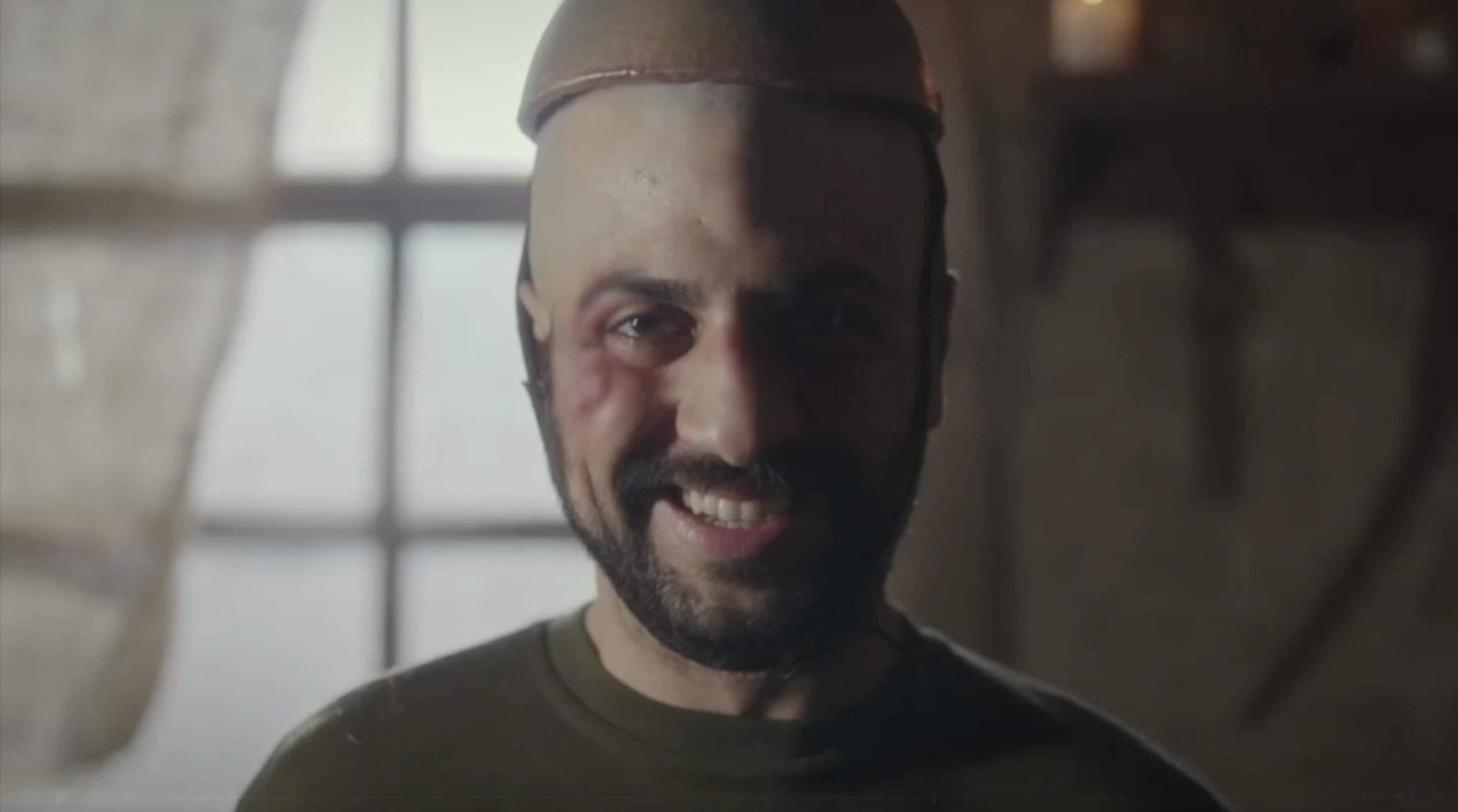
The Ottoman Empire faced its greatest crisis at the turn of the 20th century, and The Seat of Power: Abdulhamid places viewers right inside the hallowed halls where history was made. This TRT 1 production chronicles the reign of Sultan Abdul Hamid II, played by Bülent İnal, focusing on his struggle to hold a crumbling empire together against internal decay and external pressure from European powers. The series blends historical drama with intense political maneuvering, offering a look at a ruler who often gets overshadowed in Western narratives.
Running from February 2017 through late 2021, the show spanned four seasons and dozens of episodes, cementing itself as a major cultural event in Turkey. Audiences responded strongly to İnal's commanding performance and the show's lavish production values. While some historians debate certain creative liberties taken with the timeline, the program succeeded in sparking widespread interest in this specific era of Ottoman history.
Free with ads
Availability and pricing can change. Confirm on the provider's site before purchasing.
The story opens in the late 19th century with Sultan Abdul Hamid II ascending to the throne during a period known locally as "The Sick Man of Europe." The once-mighty Ottoman state faces existential threats from all sides. European colonial powers like Britain, France, Russia, and Germany constantly maneuver to dismantle the empire piece by piece, while nationalist uprisings brew within the Balkans. Inside the Yıldız Palace, the atmosphere is thick with tension and surveillance. Abdul Hamid, portrayed with stoic intensity by Bülent İnal, acts not merely as a monarch but as a strategist navigating a labyrinth of assassins, spies, and traitors. He employs a complex network of intelligence and diplomacy, often utilizing the concept of Pan-Islamism to unify the diverse subjects of the empire under the Caliphate, positioning himself as the protector of all Muslims worldwide.
The central conflict drives the plot across multiple seasons as the Sultan battles to maintain the integrity of the Empire while modernizing its infrastructure without losing its Islamic identity. The series meticulously details the construction of the Hejaz Railway, a massive engineering feat intended to bind the empire's distant territories together. This project becomes a focal point of both national pride and foreign hostility. Abdul Hamid faces relentless pressure from the Young Turks, a group of reformist military officers and intellectuals who seek to restore the constitution and limit the Sultan's absolute power. They view him as an autocrat, creating a dual threat: external empires seeking to carve up Anatolia and internal factions plotting a coup.
Throughout the series, the viewer encounters a rich tapestry of characters representing various facets of Ottoman society. Loyal pashas and viziers stand by the Sultan's side through countless betrayals, including key advisors who remain faithful to the crown. On the other hand, the show features a gallery of antagonists, including foreign diplomats who use bribery and blackmail, and Ottoman officials compromised by foreign interests. Romantic subplots involving the Sultan's family and the women of the harem humanize the ruler, showing the personal sacrifices he makes for the state. Early seasons focus on stabilizing immediate borders and thwarting specific assassination attempts orchestrated by foreign agents. As the series progresses, stakes rise with increasing global involvement in regional disputes like the Macedonian Question and the Armenian issue. The Sultan must make difficult moral and political choices, balancing mercy with the necessity of harsh measures to prevent total collapse. The narrative arc builds toward a climactic confrontation between the Sultan's vision of a unified state and the forces determined to bring it down, emphasizing the psychological toll of ruling an empire on the brink.
Official Trailer
Critical Consensus
Payitaht: Abdülhamid is widely praised in Turkey for its lavish production design, meticulous attention to historical detail regarding costumes and set pieces, and Bülent İnal's commanding performance as the titular sultan. Critics note that while the show takes dramatic liberties with historical timelines and character motivations, it successfully revitalizes interest in a controversial and often misunderstood period of Ottoman history.
“Bülent İnal delivers a masterclass in acting, transforming Abdul Hamid II from a caricatured autocrat into a complex, tragic hero.”
Editorial Team
Hürriyet Daily News
“A visual feast that reclaims the narrative of the Ottoman Empire for a new generation, blending historical drama with patriotic fervor.”
Review Staff
Daily Sabah
“The series stands as a testament to the power of Turkish television, offering a grand spectacle that rivals any Western historical drama.”
Feature Writer
TRT World
“Ahmet Uslu's script manages to balance the intimate struggles of the royal family with the grand geopolitical chess game of the era.”
Cultural Critic
Milliyet
Bülent İnal
Sultan Abdul Hamid II
Hakan Boyav
Halil Pasha
Bahadır Yenice
Mehmed Cavid Bey
Duygu Gürcan
Refia Sultan
Erdal Özyağcılar
Şehzade Selim
Gökhan Ünal
Talaat Pasha
İlker Aksum
Cemal Pasha
Nurgül Yeşilçay
Hürrem Sultan
Özge Özberk
Emine Sultan
Mete Horozoğlu
Prince Sabahaddin
Directors
Murat Saraçoğlu, Ömer Vargı
Writer
Ahmet Uslu
Composer
Tolga Çetin
Cinematographer
Mehmet Bahadır Ersoy
Producers
Es Film, Mehmet Bozdağ
Golden Butterfly Awards (2017)
Best Drama Series: Won
Golden Butterfly Awards (2017)
Best Actor: Won
Yeşilçam Awards (2018)
Best Historical Series: Won
Join the community
fans discussing