
“Ed Sullivan's show was the only place where you could see everything from a prima ballerina to a rock band in one night, creating a unique cultural melting pot.”
New York Times
The New York Times
 United States
"Where the world came to your living room every Sunday night"
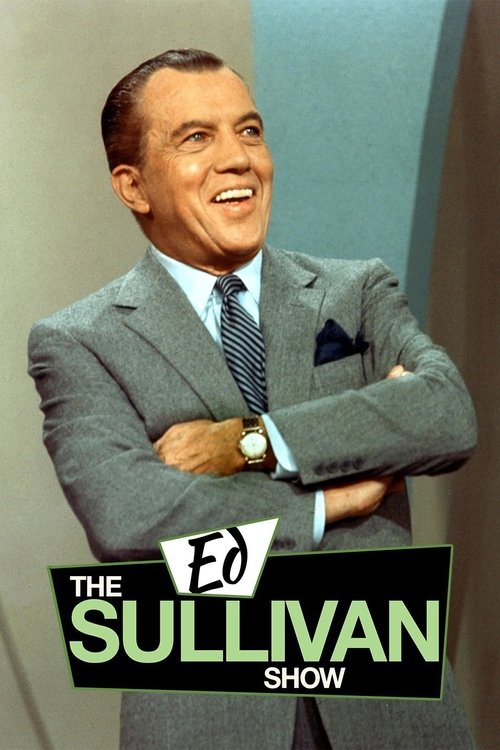
On June 20, 1948, a stiff-necked newspaper columnist named Ed Sullivan stepped onto a New York stage to launch Toast of the Town, a variety program that would soon reshape American culture. The show moved from local broadcasts to a national powerhouse by September 1949, rebranding as The Ed Sullivan Show to match his rising fame. For over two decades, Sullivan served as the unflappable anchor for a chaotic parade of global talent, presenting everything from high-brow opera and ballet to the raw, screaming energy of rock 'n' roll.
The series functioned less as a traditional narrative and more as a weekly time capsule of mid-20th-century entertainment. Every episode delivered roughly ten distinct acts ranging from ventriloquists and acrobats to the most rebellious musical acts of the era. Sullivan's awkward gesticulations and signature bow provided a charming contrast to the flamboyant stars he introduced, creating a unique dynamic where the host's reserve made the performers feel even more electric.
Free with ads
Availability and pricing can change. Confirm on the provider's site before purchasing.
The structure of the show remained remarkably consistent throughout its run, operating on a simple yet effective formula that dominated Sunday evenings for twenty-three years. Each hour-long broadcast opened with Sullivan delivering a monologue before introducing a diverse lineup of guests who performed live or via pre-taped segments. The roster shifted constantly to reflect the changing tides of popular culture, moving from the vaudeville traditions of the late 1940s into the youth-driven explosion of the 1950s and the social upheavals of the 1960s.
Early seasons leaned heavily on traditional acts like magicians, classical musicians, and comedians who appealed to a broad, family-friendly audience. As the decade turned, the show pivoted to capture the emerging youth market, becoming the primary gateway for rock music into mainstream America. This shift created a fascinating tension between Sullivan's conservative presentation style and the rebellious nature of the artists he booked. He introduced Elvis Presley in 1955, famously directing cameras to avoid showing the singer's hips during the performance due to concerns about public reaction.
The 1960s marked the show's golden age as it became the essential launchpad for British bands like The Beatles and The Rolling Stones. The February 1964 appearance of The Beatles drew an estimated 73 million viewers, nearly half the U.S. population at the time. The show also championed African American artists like James Brown and Aretha Franklin when segregation was still prevalent, effectively integrating television entertainment long before civil rights laws mandated it. Other notable moments included Bob Dylan walking off stage in 1963 after refusing to play an acoustic set, and the frequent censorship battles over lyrics deemed too risqué for prime time.
Despite these cultural shifts, the format never changed. Sullivan stood center stage in a tuxedo, occasionally stumbling over names but always maintaining a dignified presence. The show did not follow a serialized plot; instead, each season represented a specific chapter in American history. By the early 1970s, declining ratings and the rise of network competition signaled the end of the variety show era. The final episode aired on March 28, 1971, featuring a standard lineup including the band Chicago and comedian Bob Newhart, marking the quiet cessation of a program that had once commanded the attention of the entire nation.
Critical Consensus
Universally acclaimed as the most influential variety program in television history, The Ed Sullivan Show democratized entertainment by bringing diverse genres from vaudeville to rock and soul into American homes. Critics praise its role in breaking racial barriers and launching iconic careers, viewing Sullivan's stiff hosting style as a charming counterpoint to the flamboyant acts he showcased.
“Ed Sullivan's show was the only place where you could see everything from a prima ballerina to a rock band in one night, creating a unique cultural melting pot.”
New York Times
The New York Times
“The Ed Sullivan Show remains the gold standard for variety programming, proving that a host doesn't need to be a performer to be the star.”
Variety Staff
Variety
“Sullivan's awkwardness became his trademark, a humanizing element that made the massive stars feel accessible to the average viewer.”
Hollywood Reporter
The Hollywood Reporter
Ed Sullivan
Self - Host
Frank De Vol
Musical Director
Elvis Presley
Self - Performer
The Beatles
Self - Performers
Directors
Jack Goodwin, Bob Mackie, Various CBS Staff
Writers
Norman Felton, Bill Cullen, Ed Sullivan
Composers
Frank De Vol, Jimmy Dorsey, Skinnay Ennis
Cinematographer
Various CBS Camera Operators
Producers
Norman Felton, Bill Cullen, Ed Sullivan
Peabody Award (1971)
Entertainment: Won
Television Hall of Fame (1997)
Induction: Won
Join the community
fans discussing