“A delightful mix of comedy and heart, anchored by the incredible chemistry between Higgins and Schroder.”
TV Guide Staff
TV Guide
 United States
"A rich dad meets a poor kid in the most expensive house ever."
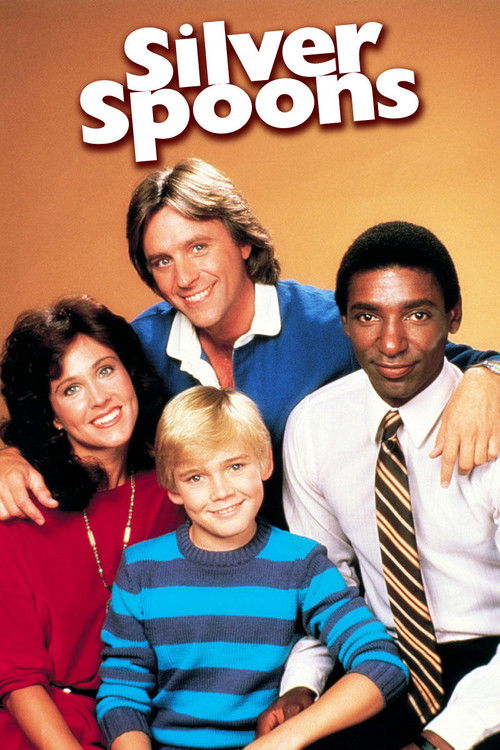
On September 25, 1982, NBC introduced audiences to Edward Stratton III, a twenty-something billionaire heir who had spent his entire life avoiding responsibility. Created by Ben Starr, the show centers on the sudden collision of two vastly different worlds when Edward discovers he has a twelve-year-old son named Ricky from a brief marriage years prior. Joel Higgins plays the immature playboy who initially tries to send the boy away but eventually relents, allowing him to move into the sprawling Beverly Hills mansion alongside Kate Summers, his long-suffering secretary played by Erin Gray.
The series ran for five seasons and delivered 116 episodes of family-friendly comedy that balanced slapstick humor with genuine emotional moments about fatherhood. While the core relationship between the father and son drove the narrative, supporting characters like Dexter Stuffins and Alfonso Spears added depth to the story. Critics and audiences responded well to the chemistry between Schroder and Higgins, creating a warm tone that defined the show's legacy throughout the 1980s.
Free with ads
Availability and pricing can change. Confirm on the provider's site before purchasing.
Ricky Stratton arrives at the Stratton mansion as a twelve-year-old boy raised by a single mother in a modest neighborhood. He is immediately shocked by the extravagance surrounding him: a staff of servants, luxury cars, and endless space. Edward Stratton III finds himself unprepared for parenthood, having lived only for his own amusement and business interests. The initial friction stems from Edward's desire to keep Ricky at arm's length while Ricky struggles to understand why his wealthy father seems so childish. Kate Summers serves as the glue holding the household together, offering wisdom and stability to both men while managing the chaos of daily life.
As the seasons progress, the dynamic shifts from reluctant cohabitants to a genuine father-son team. Edward learns about love, sacrifice, and the value of hard work through his bond with Ricky. Conversely, Ricky adapts to the rules of wealth and high society while teaching his father how to be a responsible adult. The show introduces new friends like Dexter Stuffins in the early years and later Alfonso Spears, a street-smart neighbor who provides a counterpoint to the Stratton world. Each season builds on this growth, moving from establishing the living arrangement to exploring deeper themes of maturity and family bonds.
Season three marks a turning point with the arrival of Alfonso, expanding the social circle beyond the mansion walls and introducing more teenage issues for Ricky. By seasons four and five, the focus narrows to the maturation of the characters. Edward takes on more serious business challenges while Ricky deals with adolescent problems. The narrative arc remains one of gradual growth where the "rich dad meets poor kid" tagline evolves into a story about a man learning to be a parent. The tone stays consistently lighthearted, focusing on the absurdity of wealth contrasted with the simplicity of childhood, culminating in a warm conclusion without major character deaths or shocking reversals.
Critical Consensus
Silver Spoons stands as a quintessential 1980s family sitcom that successfully blended slapstick humor with heartfelt emotional beats. Critics praised the chemistry between Joel Higgins and Ricky Schroder, noting that the show managed to address themes of parenting and responsibility without losing its comedic edge. While some reviewers found the plots formulaic, the series is celebrated for its warm tone and the iconic status of its lead performances.
“A delightful mix of comedy and heart, anchored by the incredible chemistry between Higgins and Schroder.”
TV Guide Staff
TV Guide
“Schroder brings a natural charm that elevates the material, making the father-son dynamic feel authentic and touching.”
Variety Staff
Variety
“The show succeeds because it treats its young protagonist with respect, allowing him to grow naturally alongside his father.”
The Hollywood Reporter
The Hollywood Reporter
Ricky Schroder
Ricky Stratton
Joel Higgins
Edward Stratton III
Erin Gray
Kate Summers
Franklyn Seales
Dexter Stuffins
Alfonso Ribeiro
Alfonso Spears
Young Artist Award (1984)
Best Young Actor in a Comedy Series: Won
Young Artist Award (1985)
Best Young Actor in a Comedy Series: Won
Young Artist Award (1986)
Best Young Actor in a Comedy Series: Won
Join the community
fans discussing