 Japan
Japan“Pui Pui Molcar is a delightful anomaly in the crowded landscape of anime, offering a gentle reminder that sometimes the simplest stories are the most profound.”
Brianna Wu
Variety
Tokyo streets come alive with a new kind of traffic jam where the drivers are actually guinea pigs. Pui Pui Molcar launched on TV Tokyo in January 2021, introducing viewers to a stop-motion universe where wool-felt animals operate as vehicles. The series strips away dialogue entirely, relying instead on squeaks, grunts, and expressive body language to tell stories of friendship and daily life.
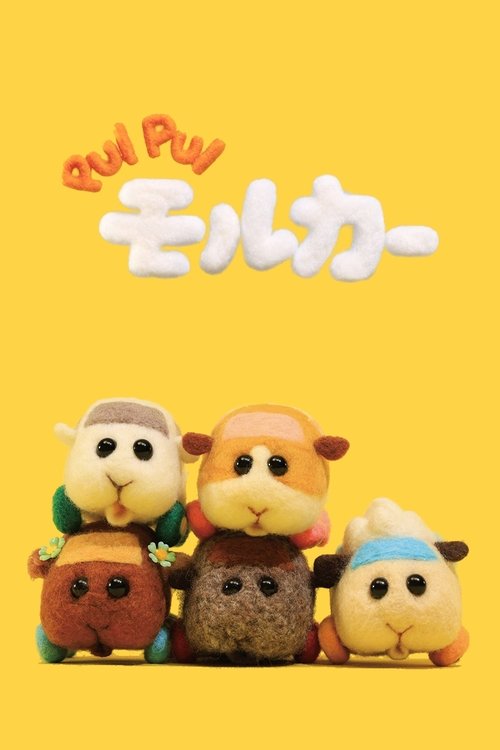
Creator Takuro Oikawa designed these characters to be the opposite of stressful commuters. They roll around with soft butts and short legs, turning mundane errands into playful adventures. The show blends live-action footage of real cityscapes with hand-placed animation, creating a tactile world that feels both grounded and dreamlike. By December 2022, the two-season run had established itself as a global sensation for its unique blend of absurdity and warmth.
Stream
Availability and pricing can change. Confirm on the provider's site before purchasing.
The story unfolds in a vibrant, stylized version of Japan where sentient guinea pigs drive colorful cars known as Molcars. These creatures possess distinct personalities yet communicate only through sounds recorded from actual rodents. The central figure is Pui Pui, a bright yellow Molcar whose optimistic nature sets the tone for the entire series. He spends his days alongside Reddy, a red companion who often joins him in chaotic but harmless escapades. Other regulars include Blue, Green, Pink, Orange, White, and Black, each adding their own flavor to the neighborhood dynamic.
Episodes function as self-contained vignettes lasting exactly three minutes. The narrative rarely involves high stakes or villains. Instead, conflicts arise from simple obstacles like getting stuck behind a slow truck, trying to parallel park without hitting a curb, or organizing a surprise party for a friend. The tension comes from the characters' desire to connect or achieve a small goal, which they resolve through cooperation and kindness. One episode might follow a Molcar learning to drive at a school, while another shows a group helping a lost friend find their way home.
Season 1 focuses on establishing the status quo and the bonds between the main cast. It introduces the world-building mechanics where the tiny scale of the Molcars makes human infrastructure feel vast. Season 2, titled Driving School, shifts the focus to formal training. The characters enroll in an institution to learn advanced skills like navigating complex intersections and understanding traffic laws. This arc allows for deeper character growth as they overcome fears and master new abilities. Despite the added structure, the core spirit remains a celebration of small moments and the joy of being together.
The animation technique relies on stop-motion craftsmanship using wool felt. This choice gives the characters a soft, cuddly appearance that contrasts with the hard edges of the real-world backgrounds. The sound design complements this visual style by using authentic guinea pig noises edited to match the action. Whether they are racing down a highway or simply sitting in a parking lot, the Molcars bring a sense of calm to their surroundings. The series avoids dramatic plot twists, preferring to let the charm of the characters carry the story forward.
Throughout both seasons, the show maintains a consistent tone of optimism. Even when a Molcar makes a mistake, the reaction is one of humor and forgiveness rather than anger. This approach creates a safe space for viewers to enjoy lighthearted entertainment. The episodic structure ensures that each story stands alone while contributing to the broader tapestry of the Molcars' lives. Audiences watching from different cultures can easily understand the universal themes of friendship and curiosity without needing translation.
Official Trailer
Critical Consensus
Critics universally praise Pui Pui Molcar for its innovative use of stop-motion animation and its ability to convey deep emotion without dialogue. The show is lauded for its soothing aesthetic, clever sound design, and heartwarming portrayal of friendship. Reviewers highlight its suitability for children and adults alike, noting its unique blend of absurdity and tenderness that sets it apart from conventional animated series.
“Pui Pui Molcar is a delightful anomaly in the crowded landscape of anime, offering a gentle reminder that sometimes the simplest stories are the most profound.”
Brianna Wu
Variety
“The show's genius lies in its restraint; it trusts the audience to read the characters' expressions and sounds, resulting in a deeply immersive and emotionally resonant experience.”
Alexis Gunderson
AV Club
“In a world full of noise, Pui Pui Molcar speaks volumes through silence, creating a sanctuary of cuteness that feels both timeless and urgently needed.”
Hannah Giorgis
The Guardian
Pui Pui
Pui Pui (Voice)
Reddy
Reddy (Voice)
Blue
Blue (Voice)
Green
Green (Voice)
Pink
Pink (Voice)
Director
Tomoki Misato
Writer
Takuro Oikawa
Composer
Shota Kowashi
Producers
Bandai Namco, Shin-Ei Animation
Tokyo Anime Award Festival (2022)
Anime of the Year (Short Film): Won
New York International Children's Film Festival (2022)
Best Animated Feature (Short Film): Won
Annie Awards (2023)
Outstanding Achievement for Character Animation: Nominated
Join the community
fans discussing