 Turkey
“A powerful depiction of the Ottoman resistance, blending action with deep emotional stakes.”
Daily Sabah Reviewer
Daily Sabah
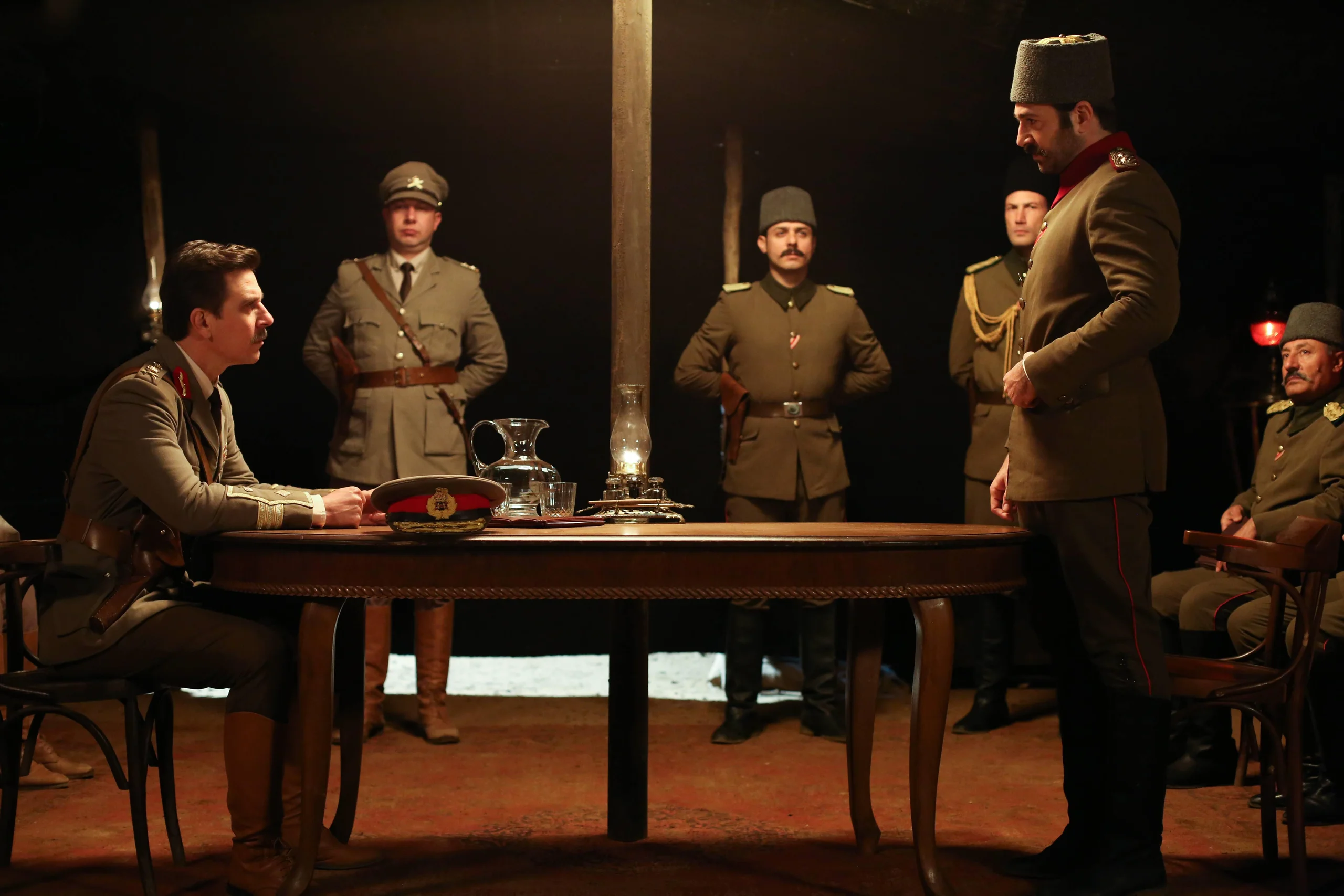
Set against the brutal backdrop of World War I, Mehmetçik Kut'ül-Amare chronicles the desperate defense of a small Ottoman garrison trapped in the desert fortress of Kut. This historical drama blends intense military action with deep emotional stakes, focusing on soldiers who face impossible odds from both enemy forces and their own dwindling supplies. Writer Mehmet Bozdağ crafted the series for TRT 1, steering it through two seasons that ran from January 2018 to January 2019.
The production features a formidable ensemble cast led by Kaan Taşaner as the weary commander, supported by İsmail Hacıoğlu and İsmail Ege Şaşmaz. Directors Mustafa Şevki Doğan and Kamil Aydın brought a gritty realism to the screen, avoiding romanticized war tropes in favor of raw survival. The show concluded after 33 episodes, leaving viewers with a somber reflection on sacrifice rather than a triumphant victory. Audiences responded strongly to its unflinching look at human endurance during one of history's most forgotten conflicts.
Stream
Availability and pricing can change. Confirm on the provider's site before purchasing.
The story unfolds in 1915 along the Tigris River, where a beleaguered Ottoman force finds itself encircled by the British Indian Army under General Charles Townshend. The narrative begins not with a grand invasion but with the slow, suffocating tightening of a noose around the city of Kut al-Amara. Townshend's initial advance is bold, driven by a belief that the city can be taken quickly to secure oil routes, but he soon underestimates the resilience of the defenders and the harshness of the Mesopotamian terrain. The Ottoman soldiers, initially confident, find their numbers whittled down by disease and attrition before the main siege even truly begins.
As the months drag on, the focus shifts from tactical maneuvers to the sheer struggle for existence. The series dedicates significant time to the internal decay of the camp, detailing how cholera outbreaks and scorching heat decimate the ranks long before the British fire does. Commander Çerkez Ethem, portrayed with a mix of stern discipline and visible exhaustion, struggles to maintain order among starving men. He faces constant pressure from higher command to hold the line while receiving little support or reinforcements. The psychological toll is palpable; the soldiers are no longer fighting for glory but for the next meal or a moment of relief from the relentless sun.
Season one establishes the geometry of the trap. We see the failure of multiple relief attempts sent by the Ottoman high command, each one crushed by British artillery or superior numbers. The tension builds as the supply lines are severed completely, cutting off any hope of external aid. The British forces, initially cautious, grow bolder as they realize the garrison is crumbling from within. They establish fortified positions outside the walls, turning the surrounding desert into a kill zone for anyone daring to venture out.
The second season dives deeper into the winter of despair. The weather turns biting cold, offering no respite from the earlier heat. Food becomes a memory, and the soldiers resort to eating horses, leather, and anything else available. The narrative arc here is one of inevitable decline. Characters we have followed for months begin to fall, not always in battle, but often from dysentery or exposure. The camaraderie that once bound them together frays under the weight of hunger and fear. Despite these horrors, moments of profound humanity emerge, such as shared rations or quiet conversations about home that remind the audience of the lives left behind.
The buildup leads toward a final, unavoidable confrontation. The British launch a massive assault, knowing the defenders are too weak to mount a sustained resistance. The series avoids a sudden, miraculous turnaround. Instead, it portrays the collapse of the defenses as a tragic necessity. The soldiers fight until they physically cannot, their uniforms torn and bodies broken. The ending of this chapter is not a defeat in the traditional sense but a surrender born of absolute depletion. It sets the stage for the sequel, hinting that while this specific battle was lost, the spirit of the resistance would continue elsewhere.
Official Trailer
Critical Consensus
Domestic critics praised the series for its unflinching depiction of the Siege of Kut. Viewers appreciated the lack of romanticized war tropes and the focus on the physical and psychological toll on the soldiers. While international coverage is limited, the show is recognized for its historical accuracy and strong performances in portraying a lesser-known chapter of World War I.
Kaan Taşaner
Commander
İsmail Hacıoğlu
Officer
İsmail Ege Şaşmaz
Soldier
Özgü Kaya
Female Lead
Tolga Tekin
Supporting Role
Directors
Mustafa Şevki Doğan, Kamil Aydın
Writer
Mehmet Bozdağ
Join the community
fans discussing