 India
India“The show redefined celebrity interviews in India by turning them into intimate confessions rather than promotional tools.”
Anupama Chopra
Film Companion

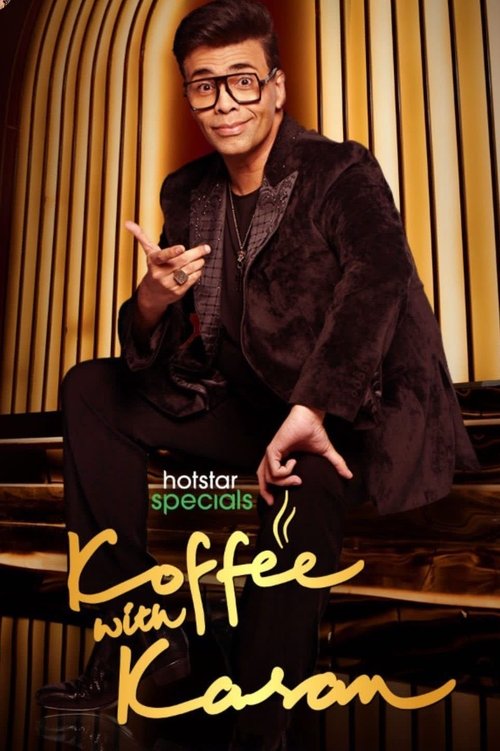
November 2004 marked the beginning of a new era for Indian television when Koffee with Karan first aired on StarPlus. Hosted by filmmaker Karan Johar, the show created a unique space where Bollywood's biggest stars sat on a signature red sofa to discuss their lives beyond the silver screen. Unlike standard promotional interviews, this format encouraged deep dives into personal relationships, industry rivalries, and emotional vulnerabilities that rarely made it to mainstream media.
Over two decades, the series evolved from a simple talk show into a cultural archive of the Hindi film industry. The chemistry between Johar and his guests drove the narrative, blending sharp wit with genuine moments of tears and laughter. By the time the show concluded its run in late 2026, it had produced over 168 episodes that documented the shifting tides of Bollywood from the Y2K era through the digital revolution.
Live TV
Availability and pricing can change. Confirm on the provider's site before purchasing.
The premise of Koffee with Karan rests on the intimate setting of a living room where host Karan Johar invites India's most prominent celebrities for an extended conversation. Typically lasting two hours per episode, these sessions move far beyond promoting current film releases. Johar prepares a list of questions designed to uncover hidden truths, forcing guests to confront embarrassing pasts, failed romances, and controversial opinions they might otherwise keep private. The show operates on the belief that true celebrity stories emerge only when the usual public personas are stripped away.
Season one established the template with a mix of veteran legends and rising newcomers, setting a tone that balanced gossip with heartfelt storytelling. As the series progressed through nine seasons, the guest roster expanded to include international figures, cricketers, and reality TV personalities, though Bollywood heavyweights remained the core. Early seasons captured the specific anxieties and triumphs of the early 2000s film landscape, while later seasons reflected the industry's transformation into a global powerhouse with pan-Indian reach.
A recurring structural element involves the live studio audience, whose reactions often dictate the energy of the room. When a guest reveals a secret or shares a tearful memory, the collective gasp or applause becomes part of the broadcast experience. The show maintained a consistent visual identity featuring dim lighting and the famous red couch, creating a sense of continuity across twenty-two years. While some critics argued the format leaned too heavily on sensationalism, the production team consistently prioritized access over polish, ensuring that the conversations felt raw and unscripted.
The narrative arc of the series mirrors the evolution of Indian cinema itself. Viewers watched as the industry shifted from traditional family dramas to modern blockbusters, and how the stars navigated changing social norms regarding relationships and fame. Each season brought a fresh wave of talent, from the romantic leads of the mid-2000s to the action heroes and comedy stars of the 2020s. The show served as a chronological record, allowing audiences to trace the careers of actors like Shah Rukh Khan, Deepika Padukone, and Ranbir Kapoor as they transitioned from newcomers to icons.
Behind the scenes, a dedicated research unit worked tirelessly to uncover obscure facts about each guest before filming began. This preparation allowed Johar to ask questions that caught even the most prepared stars off guard. The dynamic often saw Johar acting as both a friend and an interrogator, guiding the conversation with a mix of humor and seriousness. Guests frequently noted that the environment felt safe enough to share secrets they would never tell to other media outlets, making the show a unique repository of Bollywood history.
The format also adapted to the changing media landscape, moving from linear television to streaming platforms like Disney+ Hotstar and eventually JioHotstar. This shift allowed for greater flexibility in scheduling and content delivery, reaching younger demographics who consumed clips on social media. Despite the rise of short-form video content, the long-form interview remained a draw, proving that audiences still craved depth and context in celebrity journalism.
Throughout its run, the show faced occasional controversies regarding the invasiveness of certain questions. However, these moments often generated significant public interest and discussion, further cementing the show's place in pop culture. The willingness of Johar to push boundaries ensured that every episode offered something unexpected, whether it was a shocking admission or a touching tribute to a colleague. The result was a program that felt less like a manufactured entertainment product and more like a gathering of friends sharing stories around a coffee table.
Official Trailer
Critical Consensus
While often criticized by purists for prioritizing sensationalism over substance, Koffee with Karan is universally acknowledged as a defining institution in Indian pop culture. Critics note that its true value lies in its historical documentation of Bollywood's evolution, capturing candid moments that would otherwise remain hidden. The show is praised for its ability to create a safe space for stars to drop their guards, even if the format occasionally veers into gossip-heavy territory.
“The show redefined celebrity interviews in India by turning them into intimate confessions rather than promotional tools.”
Anupama Chopra
Film Companion
“Karan Johar created a space where stars could be vulnerable, making the red couch a symbol of trust and truth.”
Taran Adarsh
Bollywood Hungama
“A cultural archive that captures the rise, fall, and transformation of Bollywood through the eyes of those who lived it.”
Subhash K. Jha
Mid-Day
Directors
Siddharth P. Malhotra, Karan Johar
Writers
Karan Johar, Research Team
Composer
Various Artists
Cinematographer
Technical Crew
Producers
Karan Johar, Dharmatic Entertainment, Banijay Asia, SOL Production
Indian Telly Awards (2005)
Best Talk Show: Won
Indian Television Academy Awards (2006)
Best Anchor: Won
Indian Telly Awards (2010)
Best Entertainment Program: Won
Join the community
fans discussing