 Turkey
“Ferhunde Hanım represents one of the most loving and resilient mother figures in the history of Turkish television, bringing warmth to every scene she inhabits.”
Ayşe Kuru
Hürriyet Daily News
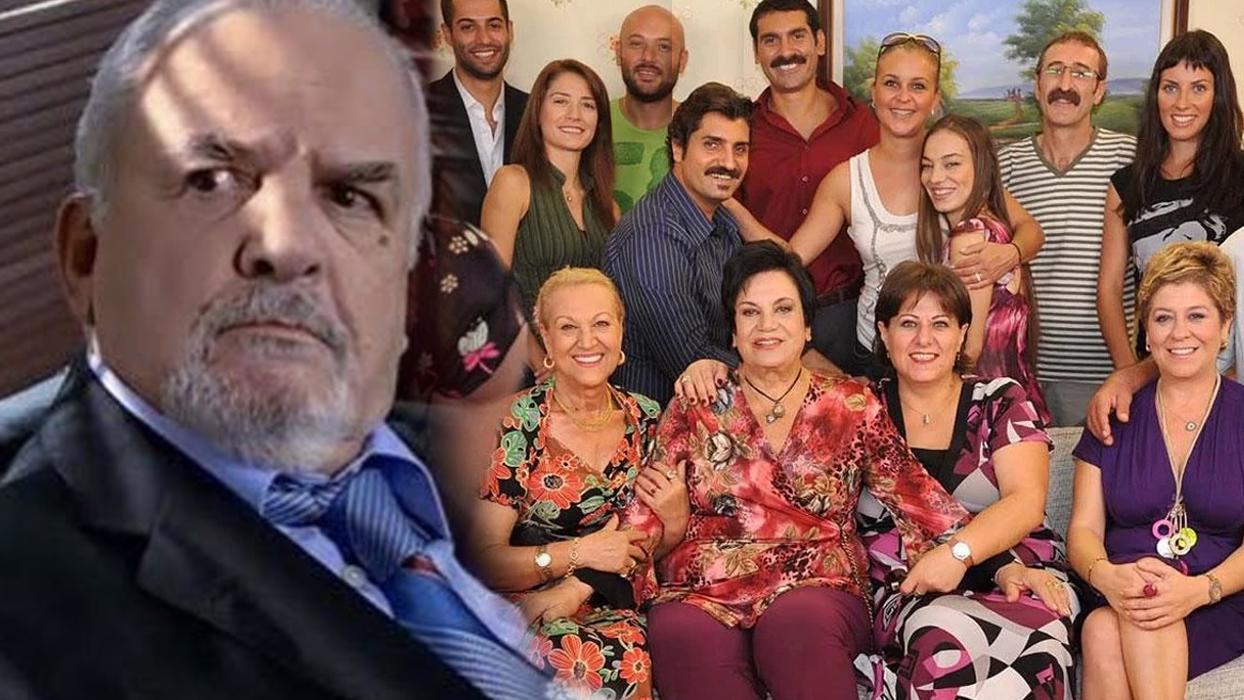
Ferhunde Hanımlar stands as a defining chapter in 1990s Turkish television history. Airing from 1993 to 1999 on TRT 1, this family drama captured the shifting social landscape of Istanbul through the lens of one extended household. The series followed Ferhunde Hanım, a warm and pragmatic woman who held her large family together with humor and resilience while navigating the tensions between tradition and modernity.
Beyhan Saran delivered a career-defining performance as the titular matriarch, anchoring an ensemble cast that included Baykal Saran as her husband Tufan and a rotating group of daughters, neighbors, and relatives. Unlike many melodramas of the era that relied on high-stakes tragedy, this show found its power in slice-of-life storytelling. It explored everyday struggles like arranged marriages, workplace discrimination, and generational gaps with a gentle touch that resonated deeply with audiences across the country.
Stream
Free with ads
Availability and pricing can change. Confirm on the provider's site before purchasing.
The narrative unfolds in the vibrant, traditional neighborhoods of Istanbul during the 1990s, a period marked by rapid economic changes and evolving gender roles. At the heart of the story is Ferhunde Hanım, a housewife whose home serves as the communal living room for her entire world. Her life revolves around her husband Tufan and their three daughters, each representing a different path a woman might take in Turkish society. One daughter often grapples with the pressure of an arranged marriage or the desire for a love match against parental wishes. Another navigates the complexities of entering a male-dominated workforce or balancing a career with domestic duties. The third frequently deals with personal growth, independence, or the heartbreak of unrequited love.
The title Ferhunde Hanımlar refers not just to the matriarch but to the entire circle of women surrounding her. This includes her daughters, her sister-in-law, and a lively group of female friends and neighbors who gather at Ferhunde's home daily. These gatherings are where secrets are shared, gossip flows freely, and problems are solved collectively. The setting acts as a sanctuary where the family can retreat from the outside world to find support and understanding.
Throughout its six-season run, the show maintained a consistent episodic structure that allowed for deep character development without losing sight of the overarching family dynamic. Season 1 established the core relationships and introduced the initial conflicts regarding the daughters' romantic lives. As the series progressed into Season 2 and beyond, the scope expanded to include new characters like ambitious sons-in-law and complicated cousins. By Season 3, the daughters began to assert more independence, leading to moments of rebellion that Ferhunde had to gently guide back to harmony.
Seasons 4 and 5 shifted focus toward the next generation as grandchildren were born. These episodes explored the challenges of parenting and the passing of wisdom from one generation to the next. The show tackled external social changes affecting the family, including economic shifts in Istanbul and changing gender roles within the household. The final season brought the story to a close by reflecting on the legacy of the family unit. It showed how the original conflicts had evolved into mature resolutions, emphasizing that no matter how turbulent life gets, the family will always be there to support one another. The series maintained a tone of optimism throughout, suggesting that the enduring strength of familial bonds could withstand the test of time and modernization.
Official Trailer
Critical Consensus
Ferhunde Hanımlar remains a cultural touchstone of 1990s Turkish television, celebrated for its authentic portrayal of middle-class family life. Critics praise the show's ability to blend comedy with serious social commentary without relying on melodrama. Beyhan Saran's performance as the definitive matriarch anchors the series, showcasing chemistry with the ensemble cast and a gentle, non-judgmental approach to family conflicts that resonated with viewers for years.
“Ferhunde Hanım represents one of the most loving and resilient mother figures in the history of Turkish television, bringing warmth to every scene she inhabits.”
Ayşe Kuru
Hürriyet Daily News
“The show succeeded in capturing the essence of Istanbul's traditional neighborhoods while addressing the modern challenges facing Turkish families in the 1990s.”
Murat Derman
Sözcü
“Beyhan Saran's portrayal of Ferhunde set a benchmark for matriarchal characters in Turkish dramas, proving that strength lies in empathy rather than authority.”
Emre Özbek
Milliyet
Beyhan Saran
Ferhunde Hanım
Baykal Saran
Tufan Bey
Güven Hokna
Supporting Character
Meral Niron
Key Supporting Role
Yurdaer Okur
Recurring Character
Tamer Karadağlı
Guest Star
Şahap Sayılgan
Supporting Actor
Directors
Altan Yücel, Ömer Faruk Sorak
Writers
Yeşim Olcay, Sevim Hazel Ünsal, Gülsüm Kaplan
Golden Butterfly Awards (1995)
Best Drama Series: Won
Golden Butterfly Awards (1996)
Best Actress: Won
Sadri Alışık Awards (1997)
Best Play/Drama: Nominated
Join the community
fans discussing