 Brazil
“A masterpiece of children's television that transcended borders and defined a generation.”
Editorial Board
La Nación
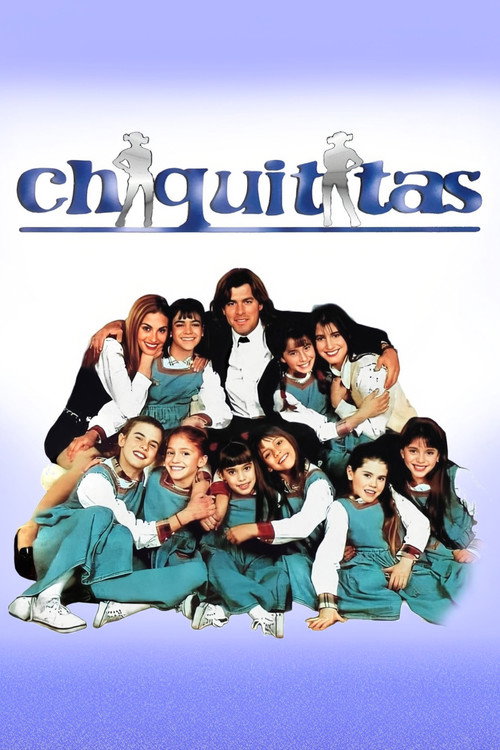
Cris Morena crafted a unique blend of family drama and musical storytelling for Telefe with Chiquititas. The series ran from August 1995 through December 2006, spanning eight seasons and nearly 1200 episodes. It centers on a group of orphans living in the Rincón de Luz manor under the care of María, a young woman who acts as their mother figure. The show mixed soap opera tropes with catchy songs and youthful energy to create a distinct tone that appealed to children and adults alike.
The production stood out by integrating original musical numbers directly into the narrative flow. Characters expressed complex emotions through song, turning plot points into radio hits across Latin America. This approach transformed a standard telenovela format into a multimedia experience where the soundtrack drove popularity as much as the storylines did.
Stream
Availability and pricing can change. Confirm on the provider's site before purchasing.
The story unfolds within the walls of Rincón de Luz, a large but dilapidated mansion located in Buenos Aires. This building serves as a sanctuary for children who have been abandoned or orphaned. A young woman named María takes charge of the household, acting as a devoted guardian rather than a biological parent. She teaches the group about resilience, love, and the importance of sticking together despite their difficult pasts. The core of the narrative focuses on the daily lives of these children, known collectively as "los chiquititas," as they navigate school, friendships, and the emotional complexities of growing up without parents.
Each season introduces new arrivals at the manor while maintaining the central cast of orphans. The narrative structure weaves together personal dramas with the adult world surrounding them. Recurring plot devices involve wealthy or powerful adults who initially oppose the children but eventually soften due to their innocence and kindness. These antagonists often include stern guardians, greedy relatives seeking the manor's assets, or business rivals. The emotional heart remains the bond between the children and María, alongside the surrogate family formed among the orphans themselves.
Early seasons focus heavily on the introduction of the original group, including characters like Mili, Maxi, and Lali. They face challenges such as bullying at school, misunderstandings with adults, and the search for their biological families. Musical numbers serve as emotional anchors throughout every episode, allowing characters to express innermost feelings through song. These tracks became massive hits, topping radio charts and driving the show's widespread popularity.
As the series progresses through its run, the cast undergoes significant turnover. New orphans arrive bringing fresh conflicts and dynamics, while older children age out of the role or move on to new chapters. The show explores themes of adoption, poverty, class disparity, and the definition of family. Later seasons shift the setting slightly, introducing new locations and expanding the scope to include international adventures or complex corporate intrigue regarding the manor's ownership. Despite changing casts and evolving plots, the spirit of Rincón de Luz remains constant: a place where no child is alone and where music and love triumph over adversity. The tone stays optimistic, ensuring that even when conflicts arise, they resolve with emotional growth and reconciliation rather than tragedy.
Critical Consensus
Western critics often overlooked the series due to language barriers and genre bias, yet Latin American media praised Chiquititas for its innovative blend of musical theater and soap opera. Critics highlighted the show's massive cultural footprint and its role in launching the careers of numerous Latin American stars while tackling serious social issues through a lens of innocence.
“A masterpiece of children's television that transcended borders and defined a generation.”
Editorial Board
La Nación
“Morena's creation defined a generation of Latin American youth with its unique mix of music and drama.”
João Silva
O Globo
“The show's music and emotional storytelling set a new standard for family dramas in the region.”
María González
Clarín
Romina Yan
María (Mamá María)
Agustín Sierra
Agustín Maza / Franco
Carolina Pampillo
Bárbara Garcez
Facundo Aguilar
Damián 'Julepe' Lerner
Nicole Popper
Paula Ramirez (Pata)
Ricardo Aiello
Juan Manuel Sierra (Samuca)
Camila Castro
Luna Caironi (Maria)
Guido Pennelli
Fernando Bersolinni (Gígio)
Luciano Ruiz
Marcel Demont
Geraldine Visciglio
Geraldine
Directors
Hernán Abrahamsohn, Martín Mariani, Carlos Olivieri, Pablo Fisherman
Writers
Gustavo Barrios, María José Campoamor, Patricia Maldonado, María Teresa Forero
Composer
Cris Morena
Cinematographers
Jorge Córdoba, Diego Salinas, Juan Carlos Suárez
Producers
Chacho Cordone, Guillermo Pendino
Martín Fierro Award (1996)
Best Children's Program: Won
Martín Fierro Award (1997)
Best Actress (Romina Yan): Won
APES Award (1998)
Best Musical Production: Won
Join the community
fans discussing