“The show captures the intensity of a four-year-old's emotions without judgment, even if adults find the tantrums exhausting.”
Parenting Forum Moderator
Modern Parenting Blog

 South Africa
"A bald four-year-old's daily adventures in the big world of small things."
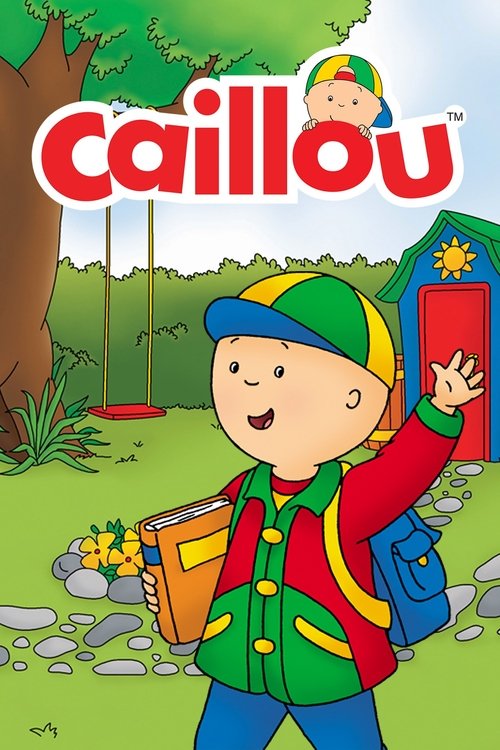
Four-year-old Caillou navigates a world where a trip to the grocery store feels as epic as a space mission. Created by Hélène Desputeaux and Christine L'Heureux, this animated series premiered on Teletoon in September 1997 and ran until March 2012. The show centers on a bald preschooler voiced by Claudia-Laurie Corbeil, whose daily life includes visits with his grandmother, playdates with friends like Clementine, and occasional meltdowns that define the genre's emotional landscape. Critics and parents often found themselves divided over the show's tone. While some viewers appreciated its gentle approach to developmental milestones, others grew frustrated by Caillou's frequent tantrums. Despite a modest 5.4 rating from its audience, the series remained a staple of children's programming for over a decade. It captured the specific anxieties and joys of being four, presenting them without moralizing or heavy-handed lessons.
Free with ads
Availability and pricing can change. Confirm on the provider's site before purchasing.
The narrative structure of Caillou relies on a slice-of-life format designed to mirror the perspective of a young child for whom everyday activities are monumental adventures. The world presented is bright, colorful, and simplified, where the stakes of a visit to the park or a new sibling are elevated to the level of high-stakes drama. This reflects the intense emotional landscape of early childhood development, where feelings are immediate and overwhelming. Each episode typically follows a formulaic yet engaging pattern: Caillou encounters a new situation such as starting school, learning to ride a bike, dealing with fear of the dark, or facing a new social dynamic. These scenarios trigger moments of frustration, anxiety, or excitement that drive the story forward. The core conflict in almost every story is internal. It is the struggle between Caillou's desire for independence and his need for parental guidance, or his effort to manage big emotions like anger, sadness, or jealousy. Unlike many educational shows that rely heavily on moralizing lectures, the series focuses on the raw experience of the emotion itself. His mother and father remain patient and attentive, guiding him through his outbursts with gentle explanations rather than punishment. He has a younger sister named Rosie, whose presence introduces themes of sharing and sibling rivalry, while his grandparents provide warmth and wisdom. Across its run, the show maintained a consistent focus on the mundane becoming magical. Season 1 established the world and introduced the core cast, covering basic conflicts like toilet training and making friends. Subsequent seasons expanded the scope to include more complex social dynamics, such as dealing with divorce in later episodes involving other children, visiting new places, and understanding different cultures. The animation style evolved slightly over the years, shifting from a simpler 2D look to a more polished, digitally enhanced aesthetic, but the tone remained lighthearted. The series avoided high-stakes action or fantasy elements that would detach it from reality, instead grounding every adventure in the relatable experiences of growing up. Whether it was a simple game of hide-and-seek or a family vacation, the show emphasized that every moment is an opportunity to learn, feel, and grow. The series concluded in 2018 after nearly two decades, leaving behind a legacy of depicting the specific anxieties and joys of being four without judgment or heavy-handed lessons.
Official Trailer
Critical Consensus
Caillou remains a polarizing staple of children's television. While praised by some parents for its gentle approach to developmental milestones and its ability to validate a toddler's emotional world, it faced significant criticism for its repetitive nature and the protagonist's frequent, often unresolved tantrums. Critics noted that while the show successfully captured the perspective of a four-year-old, its execution sometimes leaned into frustration for adult viewers, leading to a divide between those who found it educational and those who found it grating.
“The show captures the intensity of a four-year-old's emotions without judgment, even if adults find the tantrums exhausting.”
Parenting Forum Moderator
Modern Parenting Blog
“Caillou's bald head and outbursts have become iconic symbols of toddlerhood in popular culture.”
Pop Culture Analyst
TV Guide
“The series transcended its screen time to become a cultural touchstone for anyone who grew up in the late 90s and early 2000s.”
Media Historian
Wikipedia Contributors
Claudia-Laurie Corbeil
Caillou (voice)
Jesse Vinet
Rosie (voice)
Jennifer Seguin
Mommy (voice)
Pat Fry
Daddy (voice)
Nathalie Coupal
Doris (Grandma) (voice)
Mario Desmarais
Grandfather (voice)
Violette Chauveau
Clementine / Mousseline (voice)
Hugolin Chevrette
Nounours (Teddy Bear) (voice)
Director
Greg Bailey
Producers
Lesley Taylor, Michael Hirsh
Join the community
fans discussing