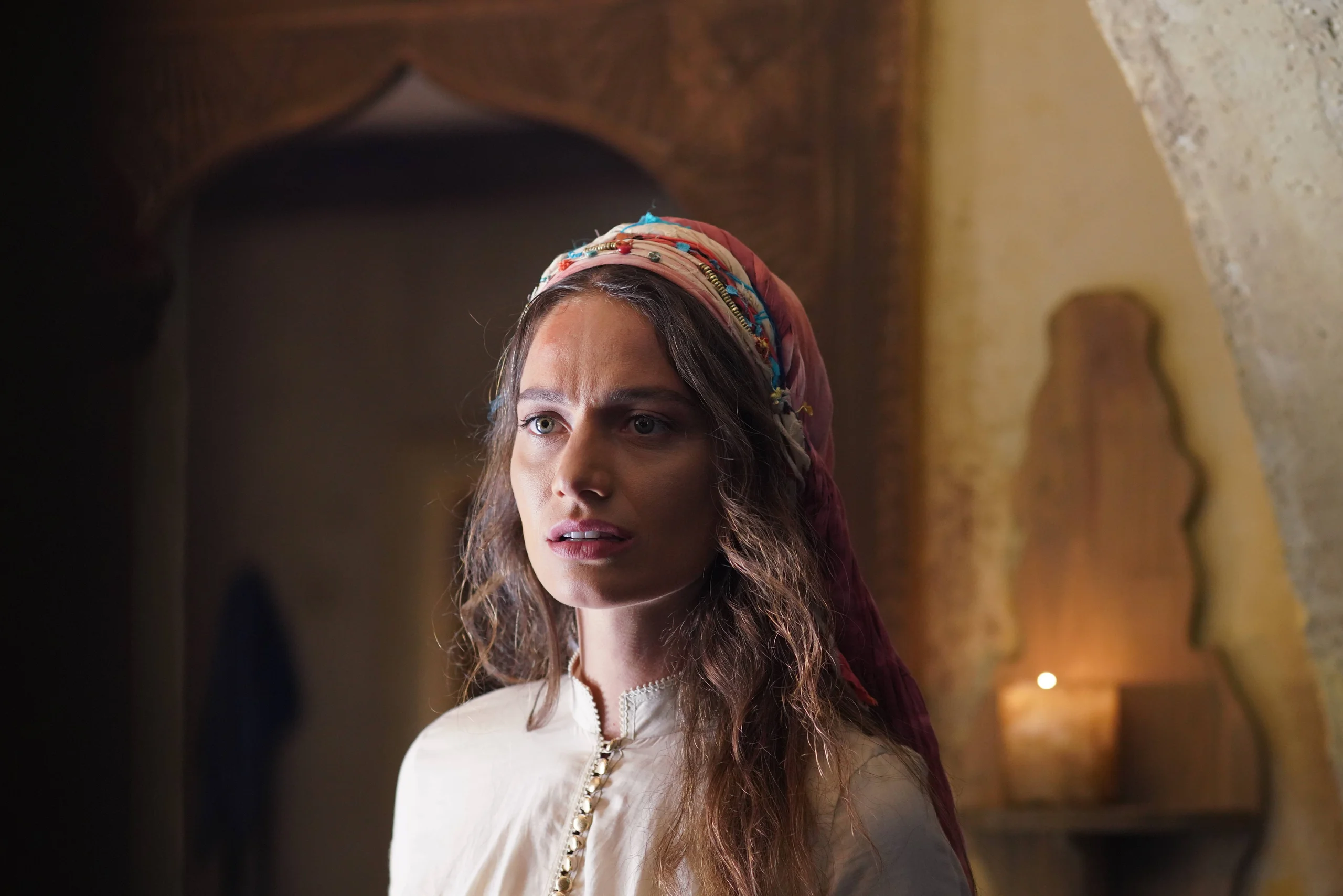
Barbaros: Sword of the Mediterranean
 Turkey
"Two brothers. One sea. An empire in the making."
User Score
0 votes
Overview
Long before Barbaros hit Turkish screens, the names Oruç and Hızır Reis carried weight in the eastern Mediterranean. The show takes those two corsair brothers, better known collectively as the Barbarossa brothers, and builds a weekly serial around their rise from Anatolian seafarers to feared captains of the Barbary Coast. TRT 1 premiered it on 16 September 2021, and it ran for 32 episodes before wrapping in May 2022.
Engin Altan Düzyatan, still the face of Diriliş: Ertuğrul for most viewers, plays Oruç Reis, while Ulaş Tuna Astepe steps in as his younger brother Hızır. The casting is no accident. TRT built the show for the same audience that made Ertuğrul a fixture, and the production values match that ambition: galleys under full sail, coastal fortresses, sword fights on deck, and the constant hum of diplomacy between Istanbul, Madrid, and the North African city-states.
The series treats the Mediterranean as a political chessboard rather than a pretty backdrop. Every alliance has a price, every ransom has a counteroffer, and the brothers' loyalty to each other gets tested by the demands of empire. It is earnest, familial, and unapologetically national-epic in tone. When the first season ended, the story did not stop. It continued in a separate sequel series, Barbaros Hayreddin: Sultanın Fermanı, which follows Hızır's later life as an Ottoman admiral.
Where to Watch
Free with ads
Availability and pricing can change. Confirm on the provider's site before purchasing.
PlotSpoiler-free
Oruç Reis has a problem with authority. He also has a talent for ships, a fierce loyalty to his younger brother Hızır, and a growing reputation across the Mediterranean that makes him useful to some powers and dangerous to others. The series opens with the brothers operating as independent seafarers, navigating a sea divided between the Ottoman Empire, the Spanish Habsburgs, the Knights of St John at Rhodes, and a patchwork of North African ports that change hands as often as the wind.
What separates Barbaros from a simple adventure serial is the way it treats the corsair economy as a system. Ransom, plunder, and patronage are not just background color. They are the engine of the plot. Every captured ship raises a question about who gets the profit and who gets the blame. Every alliance with a local ruler comes with strings attached. The brothers want independence, but independence is expensive, and the only bank big enough to underwrite their ambitions sits in Istanbul.
The first stretch of the season establishes the brothers' world: their crew, their family, their rivals, and the grievances that push them toward confrontation with European naval power. Oruç is the tactician, quick to fight and quicker to hold a grudge. Hızır is the diplomat, more willing to talk his way out of a corner. Together they make a formidable pair, but the show keeps finding ways to split them apart, whether through captured family members, competing loyalties, or the simple fact that two strong-willed brothers rarely agree on everything.
As the season progresses, the conflict widens. The Spanish and their allies become a more constant threat. The Knights of St John, based at Rhodes, turn into a persistent antagonist. Local North African rulers prove just as treacherous as the European navies, and the brothers learn that a friendly harbor can become a trap overnight. The show uses these escalating confrontations to push Oruç and Hızır toward the political alignment that history records: Ottoman patronage, the transformation from corsair captains into something closer to state-sanctioned admirals.
That transformation is the season's real arc. It is not a simple story of heroes winning battles. It is a story about what you give up when you accept a patron. The brothers gain legitimacy, resources, and a measure of protection. They also gain obligations, oversight, and a sultan who expects results. The final episodes of the 32-episode run bring that tension to a head, setting up the handoff to the sequel series without closing the book on the family entirely. The story of Hızır as Hayreddin Barbarossa, the admiral who would serve the Ottoman Empire at the height of its naval power, picks up in Barbaros Hayreddin: Sultanın Fermanı.
Ending ExplainedSpoilers
Critical Reception
Critical Consensus
No verified aggregate critic scores exist for this series in English-language review databases. Turkish audience response was strong enough to generate a sequel series, while international viewers have generally compared it unfavorably to more polished entries in the same genre. The show remains a niche title outside Turkey, distributed mainly through TRT's own channels.
Top Cast
Engin Altan Düzyatan
Oruç Reis
Ulaş Tuna Astepe
Hızır Reis
Bahadır Yenişehirlioğlu
Emir Benderlioğlu
Bülent Alkış
Caner Topçu
Seasons (1)
Keywords
Sources
Facts
- Seasons
- 1
- Episodes
- 32
- Network
- TRT 1
- Country
- Turkey
- Original Language
- Turkish
- Production Company
- ES Film
- Sequel Series
- Barbaros Hayreddin: Sultanın Fermanı
Join the community
fans discussing