“The show has evolved into something genuinely ambitious, a sci-fi series willing to break its own toys and rebuild them differently.”
Emily Nussbaum
The New Yorker
Part of the Marvel's ABC television series series
Series community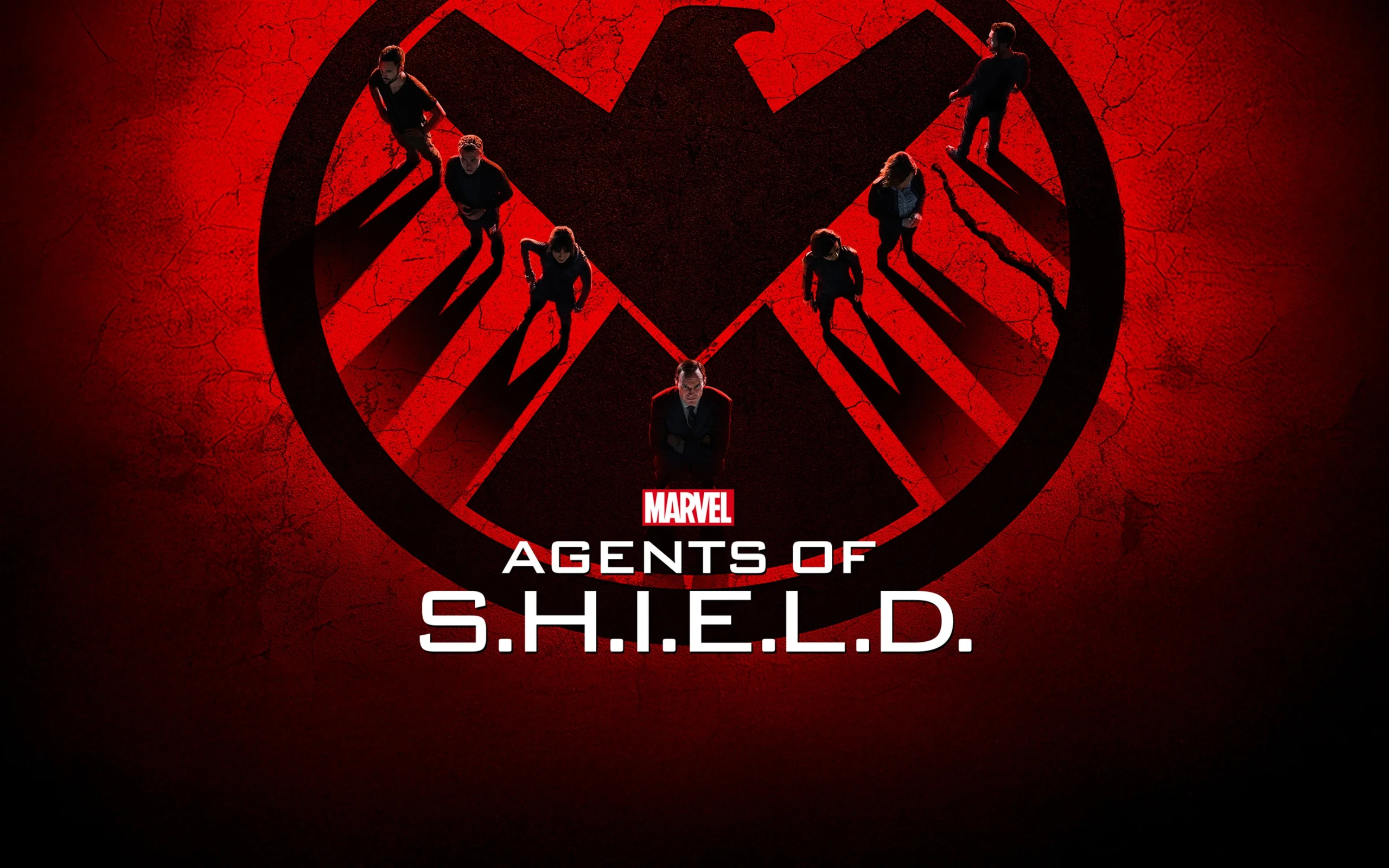
 United States
User Score
245000 votes
Marvel's Agents of S.H.I.E.L.D. brought the Marvel Cinematic Universe to the small screen in 2013, becoming the first TV series to spin directly out of the blockbuster film franchise. Created by Joss Whedon, Jed Whedon, and Maurissa Tancharoen, the show aired on ABC for seven seasons, wrapping up in 2020 with 136 episodes. At its heart was Clark Gregg, reprising his fan-favorite role as Agent Phil Coulson, the calm, suit-wearing spy who died in The Avengers but was resurrected for this series. He was joined by a solid ensemble: Ming-Na Wen as the lethal Melinda May, Brett Dalton as the conflicted Grant Ward, Chloe Bennet as hacker Skye (who evolved into the superhero Quake), Iain De Caestecker as scientist Leo Fitz, and Elizabeth Henstridge as his partner Jemma Simmons.
The show balanced case-of-the-week espionage with season-long arcs that grew increasingly ambitious, weaving in elements like Hydra, Inhumans, and time travel. It wasn't just a superhero show; it was a workplace drama about a team of spies and scientists navigating a world where the extraordinary was routine. Critics and audiences alike found plenty to enjoy, with the series earning praise for its character development and willingness to take risks. Ratings started high and dipped over time, but the dedicated fanbase kept it alive, and the show consistently delivered inventive storytelling that tied into the larger MCU without being beholden to it. For anyone who wondered what happened to the people on the ground while the Avengers saved the world, this was the answer.
Availability and pricing can change. Confirm on the provider's site before purchasing.
Phil Coulson assembles a handpicked squad to handle the strange cases that don't make the Avengers' radar. The team operates from a modified C-17 cargo plane nicknamed the Bus, with state-of-the-art labs and a hidden arsenal. Skye, a hacker from the hacktivist group Rising Tide, joins the crew early on, bringing a fresh perspective and a mysterious past. Melinda May, known as the Cavalry for her legendary combat record, serves as pilot and muscle, while Fitz and Simmons handle the science. Grant Ward, a specialist with a checkered history, rounds out the field team.
The first season starts as a procedural, with the team investigating superhuman threats and alien artifacts. Then Captain America: The Winter Soldier hits theaters, and the show pivots hard. Hydra, the Nazi science organization, is revealed to have infiltrated S.H.I.E.L.D. from within. The agency collapses overnight, and Coulson's team becomes fugitives, fighting to expose Hydra's infiltration. This shift in tone and stakes set the template for everything that followed: the show would never be content to stay in one genre or mode for long.
Season two introduces the Inhumans, humans with alien DNA who gain powers through Terrigenesis. Skye discovers she's one of them, and her transformation into Daisy Johnson, the superhero Quake, becomes a central thread. The team also deals with the aftermath of S.H.I.E.L.D.'s fall, building a new organization from the ashes. Season three sees the rise of the Secret Warriors program, but the real threat is Hive, an ancient Inhuman parasite that poses an existential danger. The season ends with a costly victory and the team scattered.
Season four is often cited as the show's creative peak. It's structured in three distinct pods: Ghost Rider, a supernatural spirit bonded to mechanic Robbie Reyes; the LMD storyline, where Life Model Decoys and an artificial intelligence named AIDA run amok; and the Framework, a virtual reality simulation that traps the team in dark alternate versions of their lives. This last arc is particularly acclaimed for its exploration of regret and identity.
Season five sends the team into the future, where Earth has been destroyed and humanity is enslaved by the Kree. The season deals with time travel, the consequences of their actions, and the desperate attempt to prevent the catastrophic future they witnessed. Season six finds the team dealing with a new threat: Sarge, a man who looks exactly like Coulson, and the alien Shrike. The final season, season seven, is a time-traveling romp through S.H.I.E.L.D.'s history as the team tries to stop the alien Chronicoms from rewriting history and erasing the agency from existence.
Throughout its run, the show explored themes of family, loyalty, redemption, and the moral complexities of espionage. The team became a found family, supporting each other through extraordinary circumstances. It's a series that rewards patient viewers, building its mythology carefully while never losing sight of the characters at its core.
Official Trailer
Critical Consensus
Agents of S.H.I.E.L.D. grew from a rough procedural start into one of the most ambitious and rewarding genre shows on TV, with season four's Framework arc and a satisfying series finale earning particular praise. Its willingness to take risks and develop its characters deeply won over a devoted fanbase and critical respect.
“The show has evolved into something genuinely ambitious, a sci-fi series willing to break its own toys and rebuild them differently.”
Emily Nussbaum
The New Yorker
“Agents of S.H.I.E.L.D. has become the rare network genre show that rewards patient viewers with increasingly sophisticated storytelling.”
Tim Goodman
The Hollywood Reporter
“The Framework arc represents some of the best television Marvel has produced, a dark mirror exploration that gives every actor in the ensemble a chance to shine.”
Matt Zoller Seitz
Vulture
“Seven seasons in, Agents of S.H.I.E.L.D. remains a model of how to do serialized genre television on network TV, balancing mythology with character.”
Daniel Fienberg
The Hollywood Reporter
“The show's greatest achievement is making us care about characters who started as archetypes and grew into fully realized people, making the finale feel like saying goodbye to old friends.”
Alison Herman
The Ringer
Clark Gregg
Phil Coulson / Sarge
Ming-Na Wen
Melinda May
Brett Dalton
Grant Ward / Hive
Chloe Bennet
Skye / Daisy Johnson / Quake
Iain De Caestecker
Leo Fitz
Elizabeth Henstridge
Jemma Simmons
Nick Blood
Lance Hunter
Adrianne Palicki
Bobbi Morse / Mockingbird
Luke Mitchell
Lincoln Campbell
Henry Simmons
Alphonso 'Mack' Mackenzie
Constance Zimmer
Rosalind Price
Ruth Negga
Raina
Composer
Bear McCreary
Producers
ABC Signature, Marvel Television, Mutant Enemy Productions
Saturn Award for Best Superhero Adaptation Television Series (2018)
Best Superhero Adaptation Television Series: Won
Saturn Award for Best Superhero Adaptation Television Series (2020)
Best Superhero Adaptation Television Series: Won
Primetime Emmy Award for Outstanding Special and Visual Effects (2017)
Outstanding Special and Visual Effects: Nominated
Join the community
fans discussing