 Brazil
“The show is widely regarded as the most watched reality program in Brazil, dominating prime-time ratings consistently.”
Local Press
Various Brazilian Publications
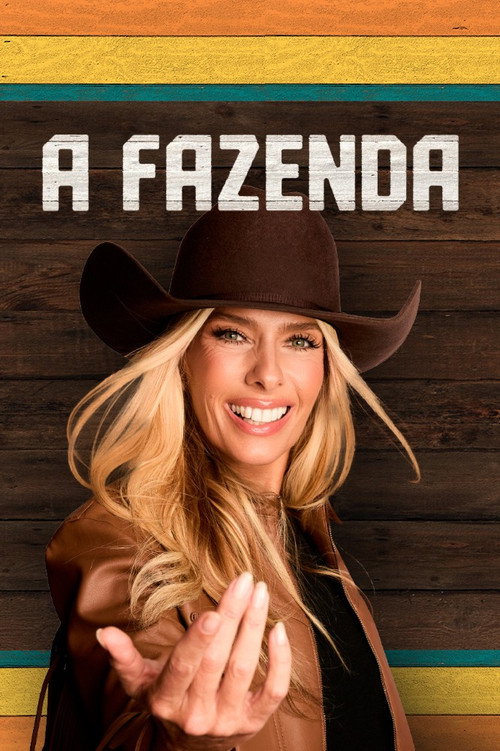
Record's A Fazenda transformed the reality genre in Brazil by dropping a rotating cast of celebrities onto a working farm for three months of unrelenting isolation. Since its debut on May 31, 2009, the series has aired nineteen seasons and nearly 1,600 episodes, establishing itself as a staple of Brazilian television. Adriane Galisteu took over hosting duties early in the run, guiding viewers through the chaos with her signature news-anchor poise. The show adapts the Swedish format originally created by Strix, but it feels distinctly local in its drama and production style.
The premise strips away modern comforts to force contestants into a cycle of labor and social maneuvering. Participants live in rustic cabins, share communal facilities, and must work the land to earn money for a small on-site shop. This economic pressure creates constant tension between survival needs and the desire for luxury treats like ice cream or chocolate. Every week brings a new challenge followed by a nomination process where peers vote to eliminate one another, though producers frequently introduce twists involving immunity to keep the dynamics volatile.
Live TV
Rede Record
Free
Availability and pricing can change. Confirm on the provider's site before purchasing.
The show operates on a rigid weekly rhythm that shifts from physical exertion to psychological strategy as the cast shrinks. Each season begins with approximately 16 to 20 celebrities arriving at a secluded farm property in the interior of São Paulo state. They are immediately stripped of their phones, internet access, and urban luxuries. Their days are dictated by a strict schedule that includes milking cows, harvesting crops, building fences, and cleaning animal pens. These agricultural tasks are not merely background scenery; they serve as the primary mechanism for earning currency. Contestants receive payment based on their performance, which they then spend at the 'fazendinha' to buy comfort items. This system ensures that even the most famous stars must rely on manual labor to improve their living conditions.
As the weeks progress, the focus moves from who can work hardest to who can manipulate the group best. The elimination mechanic is the engine driving the narrative. Every episode features a task phase followed by a private nomination session where housemates vote to save themselves or target others. The stakes escalate with the introduction of immunity powers, often earned by winning specific challenges or granted through producer interventions. These immunities create safe havens that disrupt alliances and force players to adapt quickly. Early seasons relied heavily on physical strength to establish hierarchies, but later iterations emphasize social engineering and public perception management.
The 'Final Four' marks a critical turning point where the game shifts entirely toward popularity. Contestants realize that surviving peer nominations is less important than securing enough votes from the viewing public via phone and SMS. The final episodes become a test of charisma and resilience rather than farming ability. Throughout the run, special events like the 'Festa da Roça' (Farm Party) offer moments of celebration that often lead to unexpected betrayals or strengthened bonds. Host Adriane Galisteu anchors these developments, providing a journalistic counterpoint to the emotional outbursts and strategic games unfolding behind the scenes.
Each season introduces unique sub-games and twists designed to break up the monotony of the standard format. Special weeks might involve secret tasks, voting swaps, or surprise returns of eliminated contestants. The show has maintained this structure for over a decade, allowing new audiences to jump in while rewarding long-term fans with evolving production values. Despite the lack of a scripted plot, the narrative is driven by the unpredictable nature of human behavior under pressure. The result is a continuous study in social dynamics where alliances form and shatter in real-time.
Critical Consensus
Critics acknowledge A Fazenda as a cultural juggernaut that successfully localized a foreign format into a national obsession. While some note the repetitive elimination mechanics, the show is praised for its massive viewership and effective host management of chaotic environments.
“The show is widely regarded as the most watched reality program in Brazil, dominating prime-time ratings consistently.”
Local Press
Various Brazilian Publications
“Adriane Galisteu brings a necessary journalistic gravity to the farcical elements of the show.”
Media Analyst
Entertainment Weekly Brazil
“A cultural phenomenon that generates massive engagement on social media during elimination nights.”
Digital Trends Reporter
Tech & Pop Culture Blog
Adriane Galisteu
Self - Host
Britto Júnior
Self - Host
Chris Couto
Self - Host
Dado Dolabella
Contestant
Karina Bacchi
Contestant
Directors
Fernando Viudez, Rodrigo Carelli
Producers
Cygnus Media, TeleImage
Prêmio Extra de Televisão (2015)
Best Reality Show: Won
Prêmio Extra de Televisão (2018)
Best Host: Won
Troféu Imprensa (2020)
Best Reality Program: Nominated
Join the community
fans discussing