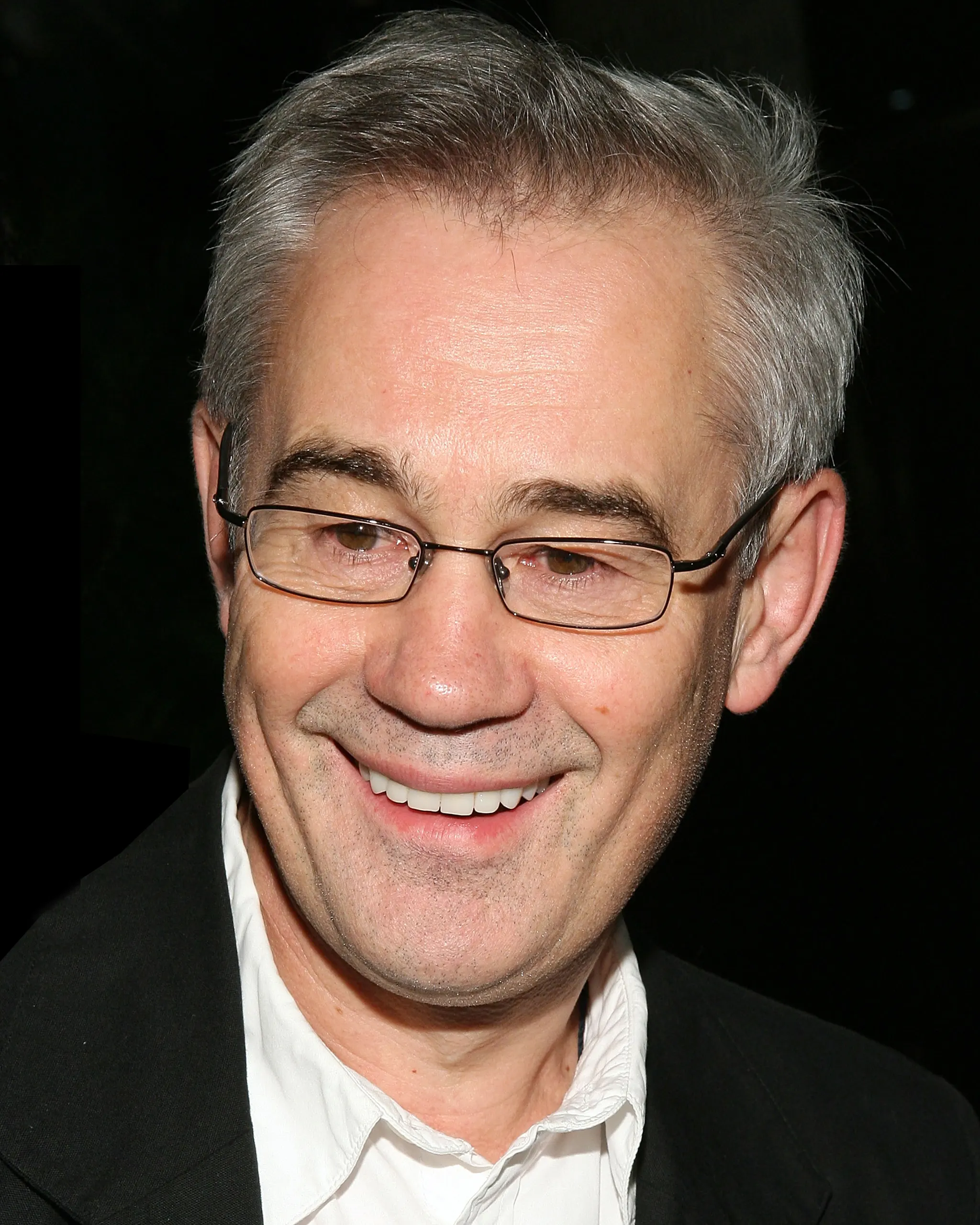
Sergei Bodrov
 Russia
film director•screenwriter•producer
Birthday
June 28, 1948
Birth Sign
Cancer
Birthplace
Khabarovsk, Russia
Age
78 years old
About
Sergei Vladimirovich Bodrov is a prominent Russian film director, screenwriter, and producer, born on June 28, 1948, in Khabarovsk. He is celebrated for his distinctive voice in cinema, with a career that has shaped modern filmmaking both in Russia and internationally. His work consistently delves into profound themes such as identity, the complexities of conflict, and the enduring resilience of the human spirit, making him a significant figure in world cinema.
Bodrov has directed over a dozen feature films and written scripts for numerous others, earning critical acclaim and two Academy Award nominations for Best Foreign Language Film. He is particularly renowned for the war drama Prisoner of the Mountains (1996) and the epic historical drama Mongol: The Rise of Genghis Khan (2007), both of which achieved considerable international recognition and critical success. His filmography also includes the post-Soviet cultural touchstone Brother (1997), which starred his son, the late Sergei Bodrov Jr.
Bodrov's influence is further recognized by his service as president of the jury at the 25th Moscow International Film Festival in 2003, a testament to his esteemed position among his peers. He continues to be an active presence in the film industry, with projects like White Rajah and a reported Mongol sequel in development. Audiences and critics alike admire his adeptness at weaving sweeping historical narratives with deeply intimate human stories, inspiring a new generation of filmmakers.
Early Life & Background
Sergei Vladimirovich Bodrov was born in Khabarovsk, a city in the Russian Far East, on June 28, 1948. His upbringing in the post-war Soviet Union fostered an early passion for storytelling, although his journey into filmmaking was not immediately direct. He pursued formal education at the esteemed Gerasimov Institute of Cinematography (VGIK) in Moscow, where he refined his cinematic skills under the guidance of established industry professionals.
Prior to establishing himself as a director, Bodrov contributed as a screenwriter to several Soviet films during the 1970s and early 1980s. His directorial debut occurred with The Amateurs (1985), a comedy-drama that offered early indications of his thematic preoccupations. The film garnered positive domestic reception and set the groundwork for his subsequent endeavors, though widespread international recognition would take another decade to materialize.
During the late 1980s and early 1990s, Bodrov navigated the evolving landscape of Russian cinema following the dissolution of the Soviet Union. He persisted in writing and directing, frequently centering his narratives on the human toll of conflict and the quest for identity amidst societal transformation. These formative experiences were instrumental in shaping his later successes, positioning him as a filmmaker willing to address significant subjects with both subtlety and profound empathy.
Career Growth
Sergei Bodrov's career achieved a significant breakthrough with Prisoner of the Mountains (1996), a compelling drama set against the backdrop of the First Chechen War. The film, which notably featured his son Sergei Bodrov Jr., garnered an Academy Award nomination for Best Foreign Language Film and secured the Prix du Public at the Cannes Film Festival, marking a pivotal moment in his international recognition.
In 1997, he directed Brother, a stark, gritty action film that rapidly evolved into a significant cultural phenomenon within post-Soviet Russia. This film, also starring his son, depicted a young war veteran's immersion into the criminal underworld of St. Petersburg and led to a successful sequel, Brother 2 (2000), further solidifying the younger Bodrov's stardom. The elder Bodrov continued to explore diverse genres, directing the neo-noir film The Quickie (2001), which starred Jennifer Jason Leigh and Vladimir Mashkov.
His most ambitious undertaking was Mongol: The Rise of Genghis Khan (2007), an expansive historical epic that required nearly a decade to complete. This film earned a second Academy Award nomination for Best Foreign Language Film and achieved considerable box office success both in Russia and internationally. In 2015, he directed the fantasy adventure Seventh Son, featuring Jeff Bridges and Julianne Moore, which performed robustly in the Russian market. More recently, Bodrov has been slated to direct White Rajah, a film based on the life of Sir James Brooke, and a sequel to Mongol has been reported to be in development as of 2019.
Career Timeline
Public Image & Style
Sergei Bodrov is widely recognized as a thoughtful and serious filmmaker, distinguished by the intellectual depth and rigor he brings to his cinematic projects. He frequently receives praise for his ability to navigate complex historical and political themes with nuance, consistently avoiding simplistic moral judgments. His films are often characterized by striking visual aesthetics, a profound sense of place, and a compelling atmosphere.
His dedication to compelling storytelling over mere spectacle has cultivated a devoted following among cinephiles. Within Russia, he is regarded as a national treasure, while on the international stage, he is respected for effectively bridging Western and Eastern cinematic traditions. Bodrov's public persona is that of a quiet, dedicated artist who shies away from the spotlight, allowing his impactful work to speak for itself.
Bodrov's presence on the international festival circuit is notable, where he is a familiar and respected figure. He is known for engaging in candid and insightful interviews, often using these platforms to discuss the profound moral questions embedded within his films. For many, he embodies the highest potential of cinema: entertainment that stimulates thought and fosters empathy.
Fame & Fandom (iFAMOUS Rankings)
Sergei Bodrov stands as a distinguished figure in global cinema, recognized for his profound impact on Russian filmmaking and his international collaborations. While his father's legacy anchors the family name in serious artistic circles, the public consciousness often conflates the two figures, with the younger Sergei Bodrov holding a more visceral place in cultural memory due to his tragic disappearance. In August 2026, iFANN has evaluated Sergei Bodrov's standing within its Global Fame Engine; however, he currently does not hold a placement in the published rankings, including the Global Top 1,000 or any Top-100 scope list. This absence of a numeric rank reflects the unique nature of his fame: rather than sustained commercial dominance measured by current search metrics, his status is defined by enduring reverence and historical significance. The fanbase associated with the Bodrov name lacks a formal, singular designation such as a coined collective noun. Instead, admirers identify through shared cultural memory and specific film appreciation, particularly regarding the works of Sergei Bodrov Jr. who remains a symbol of integrity within Russian cinema. Fans maintain a cohesive, organic community that gathers annually at the Karmadon Valley site to honor the director and actor, transforming the location of a glacier avalanche into a pilgrimage ground. These rituals involve leaving flowers and mementos, a spontaneous tradition that persists decades after the event. While no organized campaigns or corporate-led projects drive this group, the community sustains itself through digital sharing of classic films like Brat and Prisoner of the Mountains on modern streaming platforms. The emotional weight of their connection ensures that Bodrov's influence transcends typical celebrity cycles, rooted instead in a deep, national mourning and celebration of a life cut short.
Interesting Facts and Legends
Sergei Bodrov possesses a remarkable talent for discovering and nurturing talent, notably casting his own son in several pivotal film roles, which significantly contributed to launching the younger Bodrov's career. He also held the esteemed position of jury president at the 25th Moscow International Film Festival in 2003, a role that underscored his high standing within the film community. The inspiration for Bodrov's film Prisoner of the Mountains came from a short story by Leo Tolstoy; he ingeniously updated the narrative's setting to the Chechen conflict to imbue it with contemporary relevance. He is recognized for his commitment to meticulous research, often dedicating years to the development of his projects before they reach the screen. Despite achieving significant international success, Bodrov has maintained a strong connection to Russian cinema, frequently collaborating with local actors and crew members. He has also dedicated time to teaching filmmaking, imparting his knowledge and experience to the next generation of directors. In his personal time, Bodrov enjoys delving into history books and is an avid traveler, experiences that undoubtedly enrich his narrative approach. A central legend surrounding the family involves the September 2002 glacier avalanche in the Karmadon Valley that claimed the lives of Sergei Bodrov Jr., his father, and numerous crew members during the filming of The Mountain. The younger Bodrov's body was never recovered, turning the crash site into a sacred memorial where fans continue to leave tributes. His portrayal of Danila Bagrov in the film Brat created a cultural phenomenon, with lines from the movie entering everyday slang and defining a generation's view of morality in post-Soviet Russia.
Notable Quotes
“A film should be a journey, not a lecture.”
“The mountains are a character in my films, just like the people.”
“My son was my greatest collaborator and my greatest teacher.”
Family & Personal Life
Sergei Bodrov's personal life has been profoundly shaped by his family, marked by both immense pride and deep tragedy. He is the father of Sergei Bodrov Jr., who rose to prominence as one of Russia's most cherished actors and directors. The younger Bodrov played significant roles in several of his father's films, including Prisoner of the Mountains and Brother, and was on the cusp of international stardom when he tragically perished in a 2002 avalanche in the Karmadon Gorge.
The loss of his son was an immeasurable blow, and Bodrov has openly shared his grief and reflected on the enduring legacy of his son's cinematic contributions. He also has a daughter, who has maintained a relatively private existence away from the public spotlight. Known for his discretion regarding his personal affairs, Bodrov is described by those close to him as a devoted father who took immense pride in his children's achievements.
Bodrov continues to reside in Moscow, maintaining his active involvement in the film industry. While he has not publicly remarried and details about his current household remain private, the indelible influence of his family on his life and work is undeniable.
Notable Connections
Relationships & Dating History
Sergei Bodrov has maintained a discreet approach regarding his romantic life, keeping details largely private. While he was married and is a father, information concerning his former spouse is scarce, as his professional work has consistently taken precedence in public discourse. He rarely delves into personal relationships during interviews.
As of 2026, there is no publicly available information confirming a current partner, suggesting Bodrov may be single or maintaining a private relationship. The tragic death of his son in 2002 was a profoundly impactful event in his life, and while he has emphasized the importance of family, he has consciously chosen to separate his private life from his public persona.
Salary, Net Worth In 2026
$10 Million
iFANN Editorial Team estimate
Per iFANN's editorial analysis, Sergei Bodrov's estimated net worth stands at $10 million as of 2026, a figure reflective of his extensive and diverse career in the film industry. His primary income streams derive from directing fees, screenwriting credits, and various production deals. Although precise financial details remain private, his involvement in international productions such as Seventh Son and Mongol likely commanded substantial compensation. Bodrov has also generated revenue through film royalties and residuals, as his works continue to be distributed and viewed both in Russia and globally. His established reputation as a highly respected filmmaker has consistently led to demand for his participation in festival appearances and masterclasses, further contributing to his earnings. In recent years, his net worth has seen steady growth, attributed to the sustained popularity of his filmography and his ongoing professional endeavors. Known for a modest lifestyle rather than extravagant spending, his financial standing is secure, enabling him to pursue projects driven by artistic passion rather than commercial imperatives.
Awards Won (3)
Sergei Bodrov has received two Academy Award nominations for Best Foreign Language Film, for Prisoner of the Mountains (1996) and Mongol: The Rise of Genghis Khan (2007). He won the Prix du Public at the Cannes Film Festival for Prisoner of the Mountains and has received numerous other honors from international film festivals.
2008 · Best Foreign Language Film
Mongol: The Rise of Genghis Khan
1997 · Best Foreign Language Film
Prisoner of the Mountains
1996 · Public Prize
Prisoner of the Mountains
Known For
Prisoner of the Mountains
1996 · Director
Brother
1997 · Director
Mongol: The Rise of Genghis Khan
2007 · Director
Keywords
Sources
Quick Facts
- Profession
- film director, screenwriter, producer
- Born
- June 28, 1948
- Birthplace
- Khabarovsk, Russia
- Gender
- Male
- Birth Sign
- Cancer
- Children
- Sergei Bodrov Jr.
Personal Details
- Full Name
- Sergei Vladimirovich Bodrov
- Children
- Sergei Bodrov Jr.
Filmography
20
Total
18
Film
2
TV
Frequently Asked Questions
Who is Sergei Bodrov?
What is Sergei Bodrov's net worth in 2026?
Is Sergei Bodrov still making films?
What happened to Sergei Bodrov Jr.?
Did Sergei Bodrov win an Oscar?
Similar People
Join the community
fans discussing