Sepultura
 Brazil
The Brazilian giants of groove and tribal metal
Sepulnation
Fandom
4
Members
About
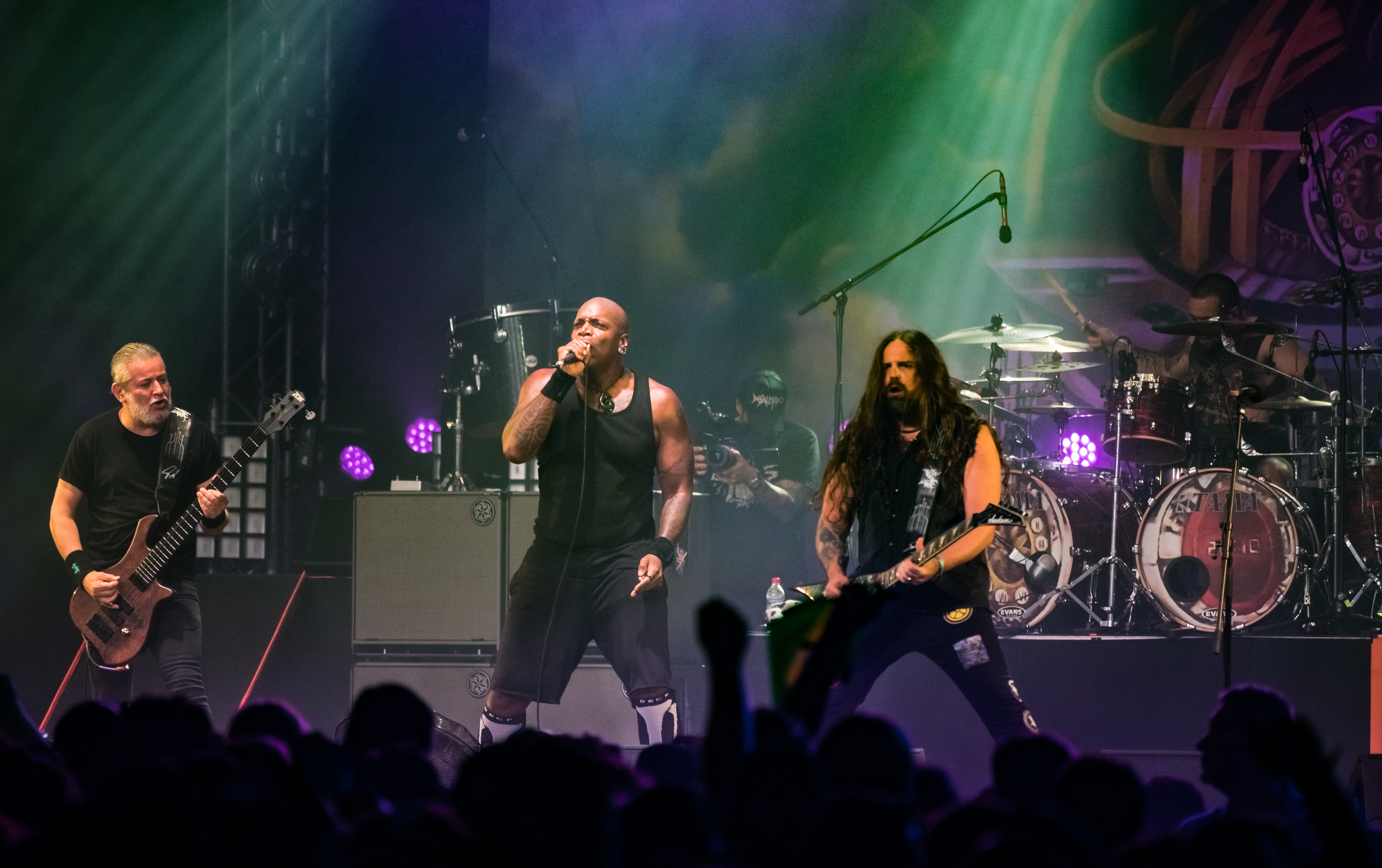
Current status as of September 2026 sees Sepultura wrapping up their career with a massive two-year farewell tour that started in early 2024. The band continues to perform with a lineup anchored by original bassist Paulo Jr. and long-time guitarist Andreas Kisser, joined by vocalist Derrick Green and drummer Greyson Nekrutman. They remain active until the planned final concert in Brazil later this year, where they will officially hang up their instruments after more than forty years on stage.
The group is best known for pioneering the groove metal subgenre and for their groundbreaking 1996 album Roots, which fused heavy metal with traditional Brazilian percussion and indigenous chants. This record brought Latin American metal to the forefront of the global market and influenced the rise of nu metal in the late 90s. With over 20 million albums sold worldwide and multiple gold and platinum certifications, Sepultura stands as one of the most successful international acts from South America.
Formation Story
The story begins in late 1984 in Belo Horizonte, where brothers Max and Igor Cavalera decided to form a band inspired by the raw energy of British punk and American thrash. They recruited bassist Paulo Jr., who had been playing locally, and added guitarist Jairo Guedz to complete the initial lineup. The name "Sepultura," meaning "grave" in Portuguese, reflected their dark lyrical themes and aggressive musical approach. Their first demo tape circulated quickly through the underground scene, leading to a contract with Cogumelo Records.
In 1986, they released their debut album Morbid Visions, a brutal display of speed and technical skill that caught the attention of fans looking for something heavier than standard hard rock. The band's second release, Schizophrenia, marked a shift toward more complex song structures and helped them secure an international deal with Roadrunner Records. Guitarist Andreas Kisser joined the group in 1987, replacing Jairo Guedz just before the recording of Schizophrenia. His arrival solidified the band's guitar sound, allowing them to explore new territories on their third album, Beneath the Remains, which became their breakthrough in Europe and North America.
The late 80s and early 90s were a period of intense growth for the band. They toured relentlessly, building a reputation as one of the hardest-working groups in metal. By the time they released Arise in 1991, they had established themselves as major players in the genre. However, internal tensions began to surface between the Cavalera brothers, leading to Max's departure in 1997 and Igor's firing in 2006. These events forced the remaining members to reinvent the band, eventually finding a new voice with Derrick Green and a fresh rhythmic drive with Greyson Nekrutman.
Members
Former Members
Musical Style
Sepultura's discography showcases a remarkable evolution from raw death metal to a diverse fusion of genres. Their early work on Morbid Visions and Schizophrenia was characterized by fast tempos, growled vocals, and chaotic structures typical of the death metal scene. The transition to Beneath the Remains and Arise introduced a tighter, more groove-oriented sound that defined the band's identity for the next decade.
The 1993 album Chaos A.D. marked a radical departure, incorporating hardcore punk elements and socially conscious lyrics about poverty and corruption in Brazil. This experimentation peaked with Roots in 1996, where the band traveled to the Amazon to record with indigenous tribes. The result was a unique blend of heavy riffs, tribal drums, and shamanic chants that created a sonic landscape unlike anything else in metal at the time. Later albums like Against and Nation continued this fusion while adding industrial and nu metal influences.
In their later years, the band explored darker, more atmospheric territories with albums like Dante XXI and Kairos. Their recent releases, including the 2026 EP The Cloud of Unknowing, reflect a mature synthesis of their entire career, balancing heavy aggression with melodic depth and experimental textures.
Discography
| Title | Year |
|---|---|
| The Cloud of Unknowing | 2026 |
| The Mediator Between Head and Hands Must Be the Heart | 2022 |
| Quadra | 2020 |
| Machine Messiah | 2017 |
| Kairos | 2011 |
| Awakening | 2009 |
| Dante XXI | 2006 |
| Roorback | 2003 |
| Nation | 2001 |
| Against | 1998 |
| Roots | 1996 |
| Chaos A.D. | 1993 |
| Arise | 1991 |
| Beneath the Remains | 1989 |
| Schizophrenia | 1987 |
| Morbid Visions | 1986 |
Tours
Farewell Tour
2024–2026 · 100+ shows
Quadra Tour
2020–2022 · 50+ shows
Machine Messiah Tour
2017–2019 · 60+ shows
Dante XXI Tour
2006–2007 · 40+ shows
Roots Tour
1996–1997 · 150+ shows
Cultural Impact
Sepultura played a pivotal role in putting Brazilian music on the global map. Before their rise, the country was largely unknown in the international heavy metal community. Their success proved that metal could thrive outside of the traditional strongholds in Europe and North America. The incorporation of indigenous rhythms on Roots opened doors for other artists to explore world music influences within heavy metal, creating a lasting legacy in the genre.
Beyond music, the band has been a vocal advocate for indigenous rights and environmental causes in Brazil. Their lyrics often address social injustice, political corruption, and the plight of native communities. This commitment to activism resonated deeply with fans and earned them respect beyond the metal scene. The "tribal" aesthetic popularized during the Roots era also influenced fashion trends in the 90s, making the band a cultural icon for a generation.
Fandom Culture
Fans of Sepultura call themselves the "Sepulnation," a term that reflects the tight-knit community surrounding the band. The fan base is known for its loyalty and passion, often traveling internationally to attend concerts. During live shows, it is common to see fans wearing black and red wristbands or face paint, paying homage to the Roots era. The community frequently organizes charity events and flash mobs focused on supporting indigenous rights, mirroring the band's own advocacy efforts.
Awards Won (24)
Sepultura has secured twelve major awards throughout their career, including two Grammy wins for Best Metal Performance. Their accolades span from MTV Video Music Awards to Kerrang! Awards, recognizing their impact on the metal scene globally. Notable wins include victories for Roots and Refuse/Resist, cementing their status as industry leaders.
Best Metal Performance
for: Roots Bloody Roots
Best Metal Performance
for: Refuse/Resist
Best Metal Video
for: Refuse/Resist
Best International Band
Best International Band
Best International Band
Best Metal Album
for: Quadra
Best Metal Album
for: Machine Messiah
Best Live Band
Best Heavy Metal Album
for: Nation
Milestones
Band formation in Belo Horizonte
Release of debut album Morbid Visions
International breakthrough with Beneath the Remains
Release of Chaos A.D., shifting to hardcore/punk influences
Release of Roots, becoming a global phenomenon
Max Cavalera departs to form Soulfly
Igor Cavalera departs; Greyson Nekrutman joins
Announcement of two-year farewell tour
Final show in Brazil concludes the band's career
Fame & Fandom (iFAMOUS Rankings)
Trivia
Keywords
Sources
Quick Facts
- Formed
- 1984
- Origin
- Belo Horizonte, Brazil
- Label
- Cogumelo Records, Roadrunner Records, Nuclear Blast
- Genres
- Thrash, Death, Groove, Nu Metal
- Total Sales
- Over 20 million
- Status
- Active (Farewell Tour)
Group Info
- Fandom
- Sepulnation
- Formed
- 1984-09-01
- Debut
- 1986-06-01
- Debut Song
- Morbid Visions
- Origin
- Belo Horizonte, Brazil
- Company
- Independent
- Label
- Cogumelo Records, Roadrunner Records, Nuclear Blast, SPV GmbH
- Fan Color
- Black and Red
- Status
- Active
Social Media
Also Known As
Join the community
fans discussing