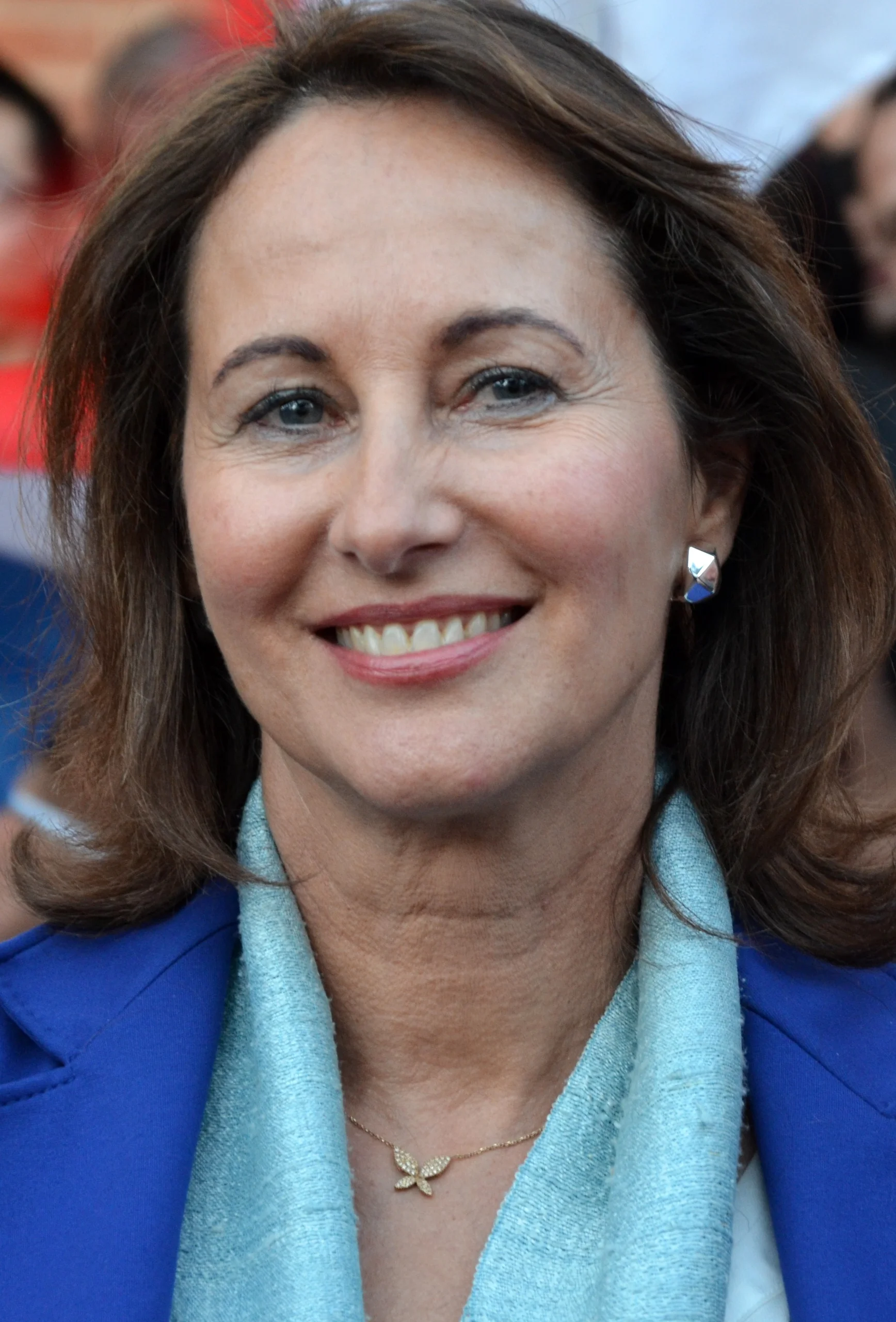
Ségolène Royal
 France
Also known as: Segolene Royal, Marie-Ségolène Royal, Marie-Segolene Royal
Birthday
September 22, 1953
Birth Sign
Virgo
Birthplace
Ouakam, Senegal
Age
73 years old
About
Ségolène Royal is a prominent French politician and lawyer who has fundamentally reshaped the landscape of French socialism and environmental policy. Born Marie-Ségolène Royal in Ouakam, Senegal, she became the first woman nominated by a major party for the presidency of France in 2007, shattering a glass ceiling that had stood for decades. Today at age 72, Royal remains an active force in French politics and international diplomacy. She currently serves as the President of the France-Algeria Association, leveraging her fluency in Arabic to bridge diplomatic gaps between the two nations while advocating for improved bilateral relations. Her career is defined by resilience, a commitment to gender equality, and landmark achievements in climate action, including presiding over the COP21 conference. In September 2026, she re-entered the political fray as a candidate in the Socialist Party's presidential primary, signaling her continued ambition despite her age.
Early Life & Background
Marie-Ségolène Royal was born on September 22, 1953, in Ouakam, a commune of Dakar, Senegal. Her father was a French naval officer and her mother was Senegalese. The family returned to France when she was young, where she grew up under a strict upbringing. She attended the prestigious Lycée Fénelon in Paris before pursuing higher education in law. Royal earned a doctorate in law from the University of Paris II Panthéon-Assas and completed the rigorous training at the École nationale d'administration (ENA) in 1979.
Upon entering the civil service, she worked as an inspector general of finances and served as a judge in the Court of Accounts. She also established herself as a formidable intellectual within the Socialist Party by working as a professor of law at the University of Poitiers. These early years laid the groundwork for her future political ascent, distinguishing her as a serious academic and legal mind before she ever sought national office. Her background combined the rigor of the French elite administrative system with a personal history rooted in both French and African heritage.
Career Growth
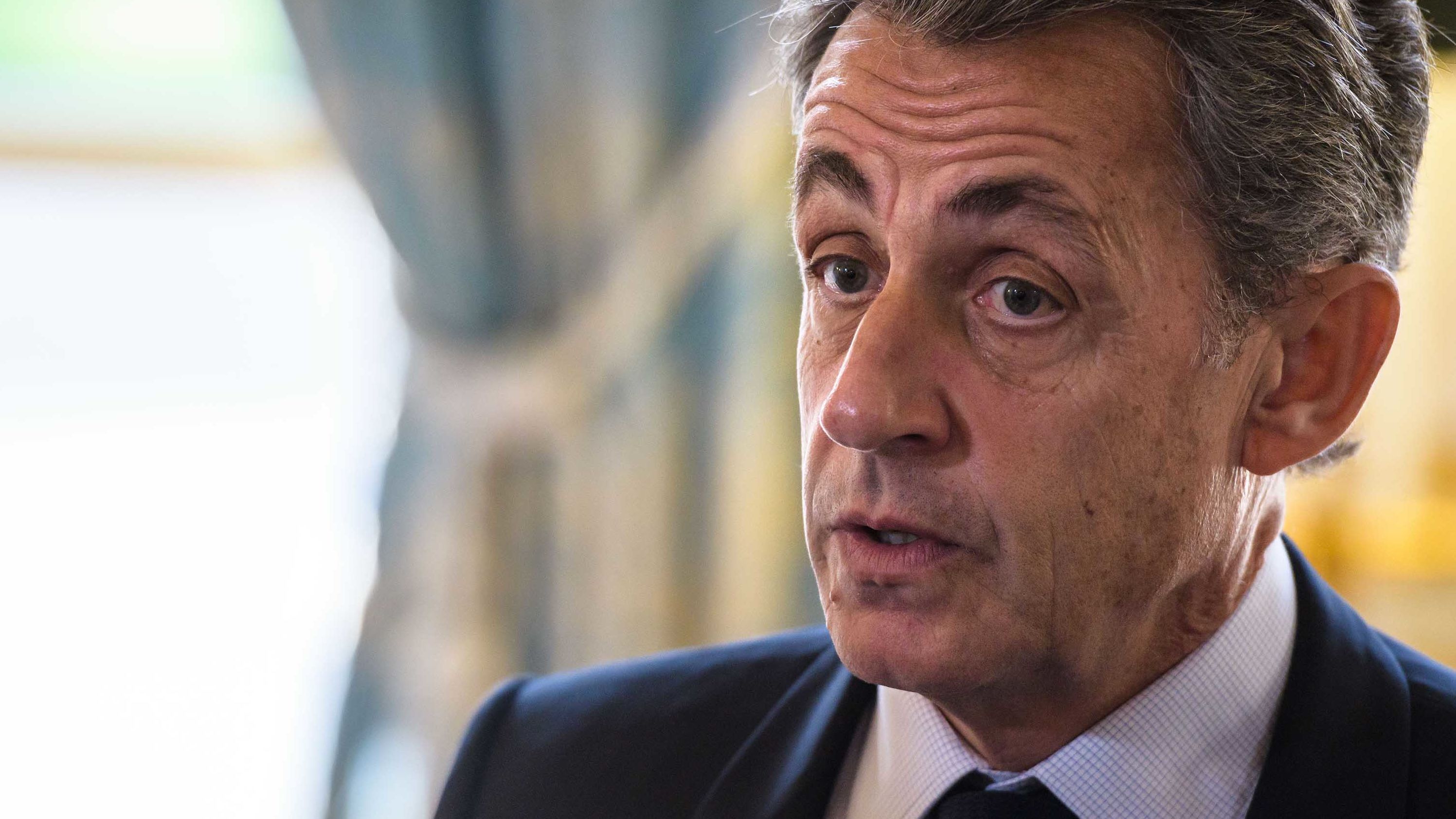
Royal's breakthrough came in the late 1990s as she ascended through the ranks of the Socialist Party. In 2004, she was elected President of the Regional Council of Poitou-Charentes, a role she held until 2014 while implementing significant regional development projects. Her most defining moment arrived in 2006 when she secured the Socialist Party nomination for the presidency of France. This led to her historic run in the 2007 presidential election, where she became the first woman to reach a runoff against Nicolas Sarkozy. Although she lost the election with 46.9% of the vote, her campaign inspired a generation of women in French politics. Following her defeat, she narrowly lost the leadership of the Socialist Party to Martine Aubry in 2008.
She attempted another presidential bid in 2011 but was eliminated in the primary stage. Despite these setbacks, she remained a central figure in French politics. In 2014, President François Hollande appointed her Minister of Ecology, Sustainable Development and Energy, a position she held until 2017. During this tenure, she played a pivotal role in organizing and presiding over the COP21 climate conference in Paris in 2015, which resulted in the landmark Paris Agreement. For this work, she received the Champions of the Earth award from the United Nations Environment Programme in 2016 and was named one of Time magazine's 100 Most Influential People in 2007.
In recent years, Royal has taken on a new role as the President of the France-Algeria Association. In January 2026, she made headlines by publicly declining an investigation by the French channel France 2, labeling it offensive to Algeria and politically motivated. Later that same month, she visited imprisoned French journalist Christophe Gleizes in Algeria. In September 2026, she re-entered the spotlight as a candidate in the Socialist Party's primary for the upcoming French presidential election, signaling her continued ambition.
Career Timeline
Public Image & Style
Royal is portrayed as a resilient, intelligent, and principled figure. She is often seen as a voice of reason and a champion for the environment and gender equality. Her aesthetic is professional yet approachable, often featuring bold colors and tailored suits that reflect her vibrant personality. Her social media presence, particularly on X and Instagram, is active, where she shares updates on her political activities and diplomatic engagements. She commands respect for her intellectual depth and her ability to navigate complex political landscapes without losing her distinct voice. Her quotes, such as "I am not a woman who wants to be a man, I want to be a woman who can do everything," define her feminist stance.
Fame & Fandom (iFAMOUS Rankings)
Ségolène Royal stands as the 51st most famous person in France, a steady position that anchors her legacy within the nation's political pantheon. This standing is part of the iFANN Global Fame Rankings. Her prominence stems from a career that shattered glass ceilings long before she secured her current ranking. She was the first woman nominated by a major party for the French presidency and the first to reach a runoff, achievements that cemented her place in history alongside the leaders she challenged.
Despite her high profile, Royal does not possess an organized fandom with a specific name or rituals. Unlike entertainers who might have fan clubs driving subway ads or streaming pushes, her public engagement remains strictly political and diplomatic. There are no records of fan-driven charity drives or inside jokes circulating among supporters; instead, her influence flows directly from her roles as a former presidential candidate, a minister, and currently as President of the France-Algeria Association. The public interaction surrounding her is defined by policy debates and diplomatic efforts rather than the celebrity cult following seen in pop culture.
Interesting Facts and Legends
Ségolène Royal is fluent in Arabic, a skill that has proven crucial in her diplomatic efforts with North African nations and her work with the France-Algeria Association. Her connection to her Senegalese heritage is strong, and she often visits the country to advocate for African development. A notable incident occurred in January 2026 when Royal publicly declined an investigation by the French channel France 2, calling it offensive to Algeria. This highlighted her unwavering stance on Franco-Algerian relations. Another legendary moment was her concession speech after the 2007 election, where she laughed while acknowledging the loss, becoming a symbol of grace under pressure. Her tenure as Minister of the Environment and her presidency of COP21 are key parts of her legacy. She was also honored with the title of Honorary Doctorate from several universities, including the University of Ottawa and the University of Algiers.
Notable Quotes
“I am not a woman who wants to be a man, I want to be a woman who can do everything.”
“The climate crisis is not a problem of the future; it is a problem of the present.”
“Algeria-phobia is an electoral strategy for some neo-colonialist politicians in France.”
Family & Personal Life
Royal's parents were a French naval officer and a Senegalese woman, providing her with a dual cultural heritage that influenced her worldview throughout her life. She was raised primarily in France after her family returned when she was young. Her household was known for its strict discipline and emphasis on education, which shaped her character. Royal has four children: Thomas (born 1984), Flora (born 1985), Clémence (born 1987), and Louis (born 1992). She maintains a strong connection to her Senegalese roots, often visiting the country to advocate for African development and supporting initiatives like the DA Planet Foundation focused on solar energy and women's empowerment in Africa.
She lives in France and maintains a household focused on her political advocacy and family life. Her legacy includes being the first woman to lead a major party's presidential ticket, a milestone that paved the way for future female candidates. She has received numerous distinctions, including the Grand Cross of the National Order of Merit and the Legion of Honour. Her intellectual contributions are recognized through honorary doctorates from universities such as the University of Ottawa and the University of Algiers.
Notable Connections
Relationships & Dating History
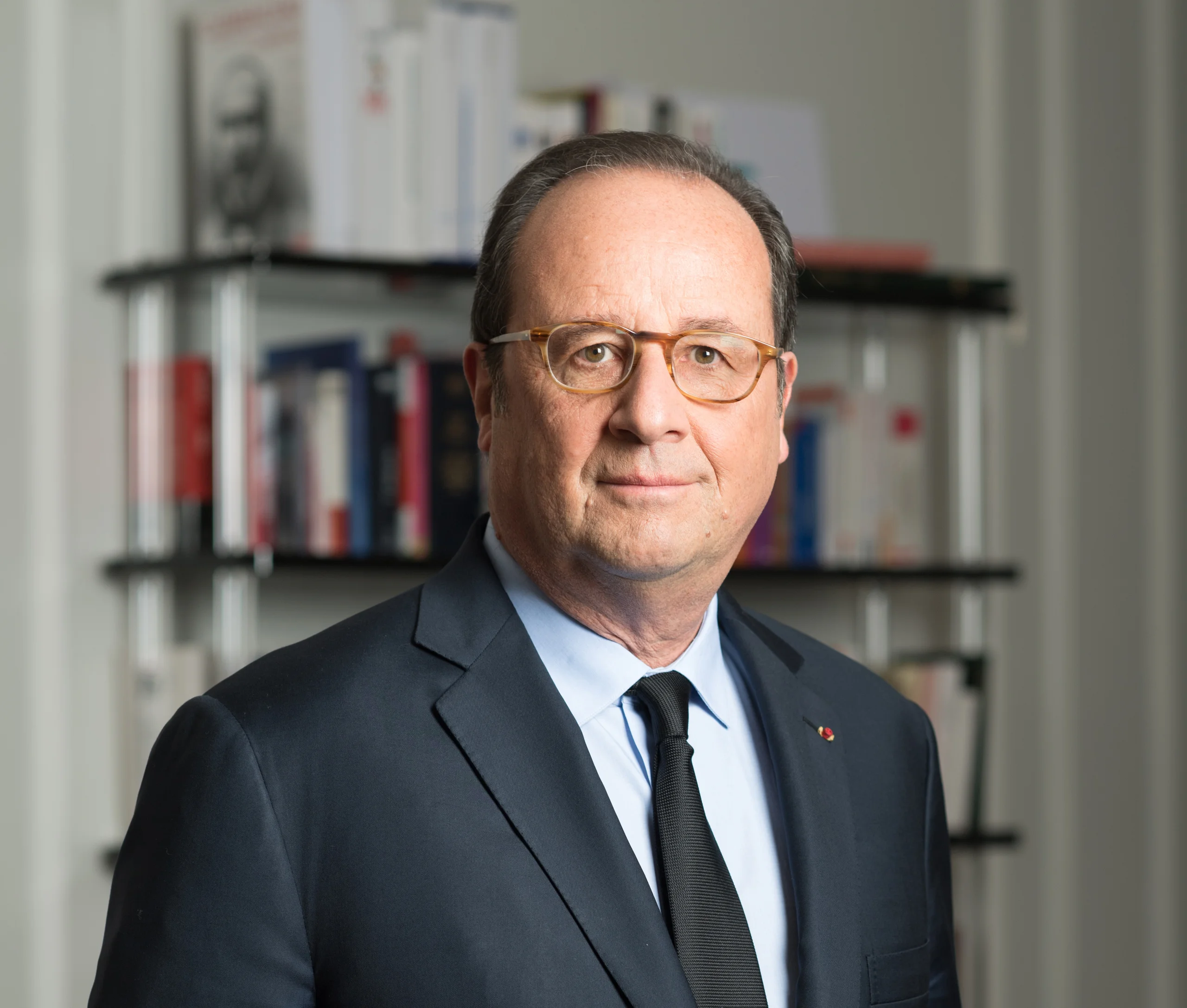
Royal's long-term relationship with François Hollande began in 1981, just weeks after they met at a Socialist Party meeting in the town of La Rochelle. They were never married but lived together for over three decades, raising four children: Thomas (born 1984), Flora (born 1985), Clémence (born 1987), and Louis (born 1992). Their relationship, often described as a "political marriage," ended publicly in November 2014 when Hollande admitted to an affair with journalist Valérie Trierweiler. The split caused a media frenzy and strained their political alliance, though they maintained a cooperative relationship regarding their children.
After the separation, Royal focused more intensely on her ministerial duties and her advocacy for environmental causes. As of 2026, Ségolène Royal is single. While she remains close to her former partner and continues to collaborate on certain political initiatives, there are no reports of a new romantic partnership. Her current status is defined by her role as a senior stateswoman and diplomat rather than a domestic partner.
- DatedFrançois Hollande1981 - 2014Long-term partner of over 30 years; father of her four children; relationship ended due to his affair with Valérie Trierweiler.
Salary, Net Worth In 2026
$2 Million
iFANN Editorial Team estimate
Net worth estimates for Ségolène Royal are difficult to pin down precisely due to the nature of her career as a public servant rather than a commercial entertainer. Unlike celebrities with massive endorsement deals, her wealth stems from her salary as a high-ranking government official, her academic positions, and her book royalties. Estimates suggest her net worth is modest compared to global superstars, likely ranging between $1 million and $3 million USD. This figure reflects her long tenure as a Member of Parliament, a Regional Council President, and a Cabinet Minister.
iFANN currently estimates Ségolène Royal's net worth at approximately $2 Million. There are no public records of major real estate holdings beyond her primary residence in France, nor significant business ventures outside of her political and advocacy work. Her financial trajectory has been steady, driven by consistent government salaries and occasional speaking engagements related to her environmental and diplomatic work. As of 2026, her assets remain tied primarily to her public service career and intellectual property from her writings.
Awards Won (3)
Royal has received numerous distinctions for her political and environmental contributions. She was awarded the Grand Cross of the National Order of Merit (France) and the Legion of Honour. In recognition of her work on climate change, she received the Champions of the Earth award from the United Nations Environment Programme in 2016. She was also honored with the title of Honorary Doctorate from several universities, including the University of Ottawa and the University of Algiers. She was named one of Time magazine's 100 Most Influential People in 2007.
2016 · Environmental Leadership
Climate Change Advocacy
2007 · National Order
Political Service
Known For
French Presidential Election 2007
2007 · Candidate
COP21 Climate Conference
2015 · President of the Conference
Minister of Ecology
2014 · Government Official
Keywords
Sources
Quick Facts
- Profession
- politician, lawyer
- Born
- September 22, 1953
- Birthplace
- Ouakam, Senegal
- Gender
- Female
- Birth Sign
- Virgo
Personal Details
- Full Name
- Marie-Ségolène Royal
- Children
- Thomas Royal · Flora Royal · Clémence Royal · Louis Royal
- Education
- University of Paris II Panthéon-Assas; École nationale d'administration (ENA)
Frequently Asked Questions
Is Ségolène Royal still alive?
Who are Ségolène Royal's children?
Did Ségolène Royal ever get married?
What is Ségolène Royal's net worth?
Is Ségolène Royal running for president again?
Social Media
Similar People
Join the community
fans discussing