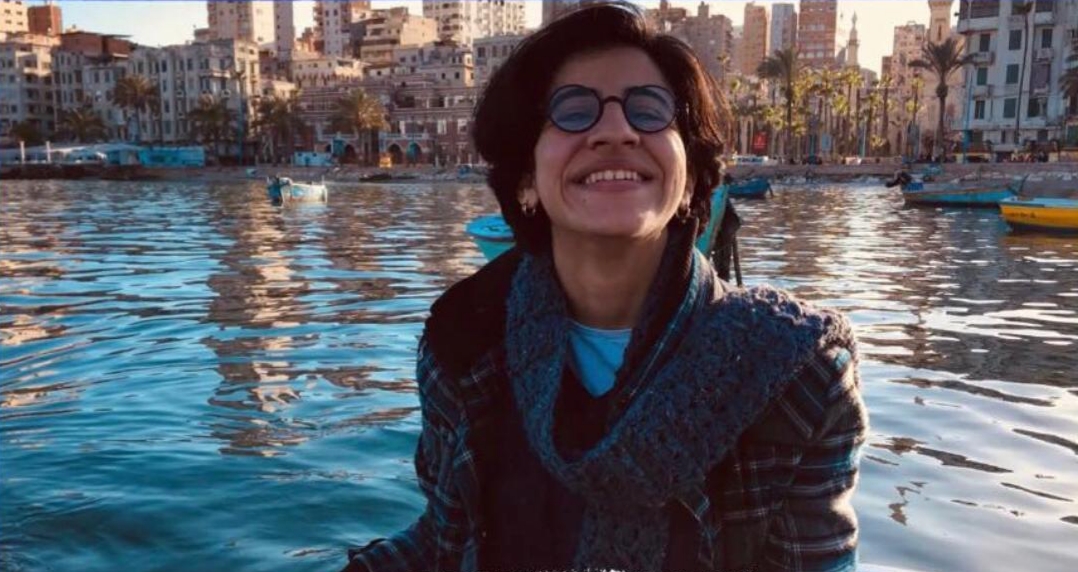
Sarah Hegazi
 Egypt
EgyptBirthday
+1989
Birth Sign
Birthplace
Egypt
Age
Died at 31
About
Sarah Hegazi was an Egyptian writer and a passionate advocate for LGBTQ rights and socialist causes. Born in Egypt in 1989, her life took a tragic turn in 2017 when she was arrested and subsequently imprisoned for three months. This detention followed her courageous act of displaying a rainbow flag at a concert in Cairo, a symbol of LGBTQ pride, during a performance by the band Mashrou' Leila. The time she spent in prison was marked by torture, which left deep physical and psychological scars.
Fame & Fandom
The community surrounding Sarah Hegazi operates without the structures typical of celebrity culture, lacking a formal fan club, an official moniker for followers, or organized commercial campaigns. Her legacy is not built on pop iconography but on political solidarity, with her supporters consisting primarily of LGBTQ activists, socialist groups, and human rights defenders who view her through the lens of resistance rather than fandom. Consequently, there are no fan rituals, inside jokes, or mass-market interactions to document. The narrative of her life remains anchored in historical events, specifically her arrest following the display of a rainbow flag at a concert by Mashrou' Leila and the subsequent trauma she endured. While her story has resonated globally, inspiring tributes in major international media and establishing fellowships like the one by the Tahrir Institute for Middle East Policy, these initiatives function as educational and charitable projects rather than fan-driven enterprises. The iFANN Global Fame Engine evaluated her status in August 2026 and determined that she does not currently hold a placement in the published rankings.
Interesting Facts and Legends
Sarah Hegazi identified as a super Communist, super gay and feminist, a stance that defined her public life and activism. She was among the first individuals to publicly raise the rainbow flag in Egypt, an act that occurred during a performance by the band Mashrou' Leila at the Cairo Opera House in December 2017. This moment became the central pillar of her cultural mythology, serving as a direct challenge to the country's strict laws against homosexuality and resulting in her immediate arrest and three-month detention. The incident is widely cited as the point where her defiance led to catastrophic personal consequences, including torture and eventual exile. Following her release, she fled to Canada, where she lived in Toronto until her death by suicide on June 14, 2020. Reports indicated that severe post-traumatic stress disorder stemming from her imprisonment contributed significantly to her decline. Her death sparked global outrage and mourning, with tributes appearing in outlets such as CNN, The New York Times, and The Washington Post. The New York Times op-ed highlighted how a single moment of defiance initiated a chain of events ending in tragedy. In 2025, the Tahrir Institute for Middle East Policy published a remembrance titled 'The Nameless Grief We Share: Remembering Sarah Hegazi', marking six years since her passing. The Sarah Hegazi Fellowship continues to honor her memory by supporting intersectional queer feminists, ensuring her story remains a living part of the struggle for human rights.
Death & Aftermath
Died
+2020-06-13 (aged 31)
Death Place
Toronto, Ontario, Canada
Cause of Death
Reported suicide due to PTSD
Sarah Hegazi spent her final months living in exile in Toronto, Ontario, after fleeing Egypt in 2018 to escape the aftermath of her arrest and torture. On June 13, 2020, she died by suicide at the age of thirty, a conclusion confirmed by her family who attributed the act to severe post-traumatic stress disorder stemming from her three-month detention in Cairo., statements from her relatives and a note circulated by friends clarified that she had taken her own life following years of deep depression and isolation. The circumstances surrounding her death sparked immediate global condemnation of the Egyptian government, with organizations like Human Rights Watch linking the tragedy directly to state-sponsored persecution.
Tributes poured in from peers and institutions, including the band Mashrou' Leila whose concert she attended prior to her arrest, while streaming numbers for their song Bukra surged significantly on the day of her passing. Vigils were held in Toronto and across the diaspora, though details regarding a public funeral remained private as her family arranged a burial in accordance with Islamic tradition without disclosing the location. Her legacy has since been institutionalized through the Sarah Hegazi Fellowship established by the Tahrir Institute for Middle East Policy to support intersectional queer feminist human rights defenders, ensuring her story continues to inform discussions on LGBTQ rights in the Middle East.
Awards & Accolades
Keywords
Quick Facts
- Profession
- LGBTQ rights activist
- Born
- +1989
- Birthplace
- Egypt
- Died
- +2020-06-13
- Death Place
- Toronto
- Gender
- Female
Join the community
fans discussing