Sapienza University of Rome
 Italy
Italy"The oldest university in Rome, a global leader in research and education."
About
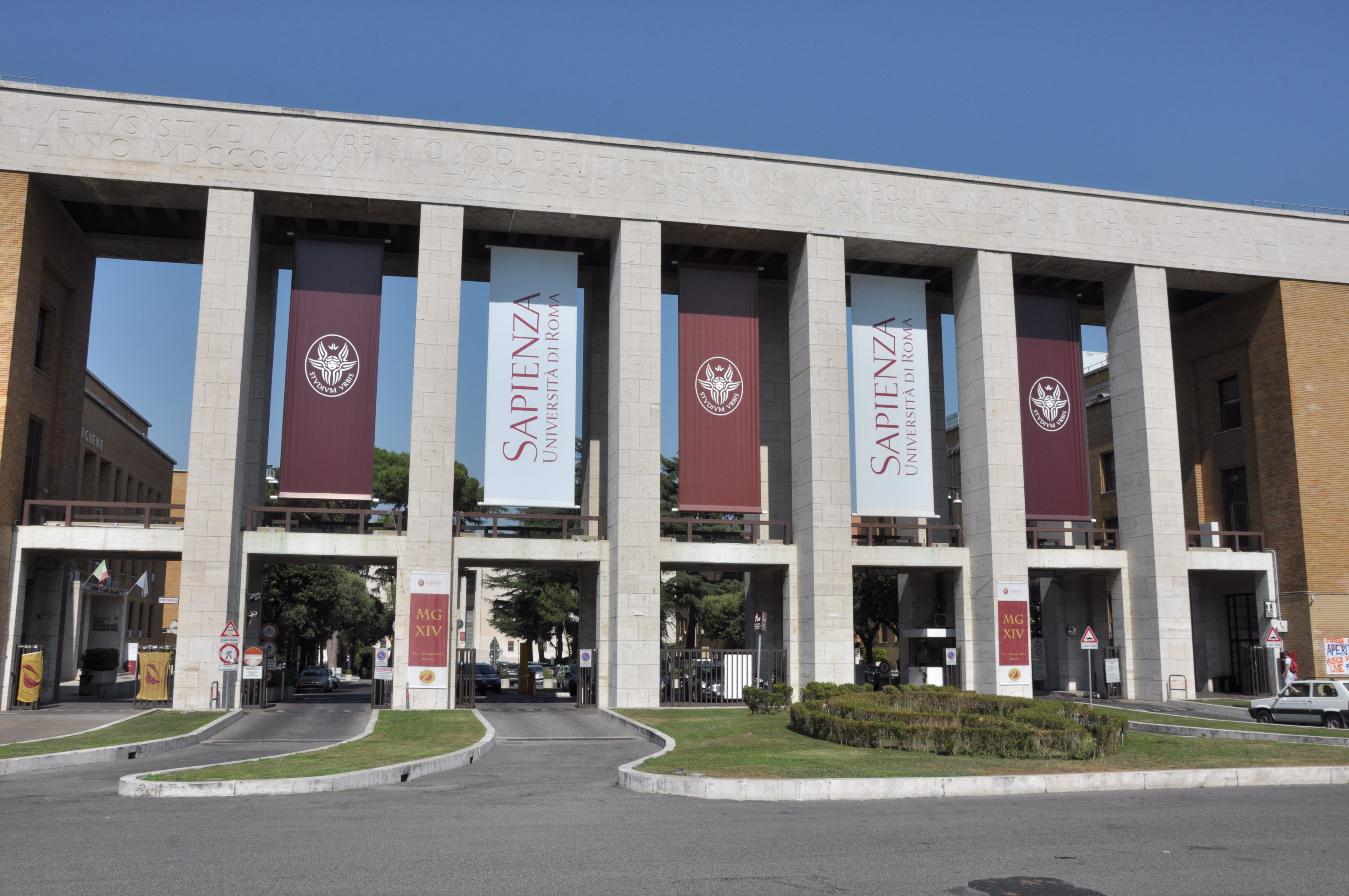
Sapienza University of Rome, officially the Università degli Studi di Roma "La Sapienza," is a public research institution that has been a cornerstone of Italian academia since 1303. With a student population exceeding 110,000, it holds the title of Europe's largest university, a distinction that comes with a sprawling main campus in the Città Universitaria designed by Marcello Piacentini in the 1930s. The university's scale is matched by its intellectual reach: its libraries, laboratories, and research centers make it a global hub for scholarship, attracting students and faculty from around the world.
The university's name, La Sapienza, means "wisdom," a fitting moniker for an institution that has shaped intellectual life for over seven centuries. Its alumni and faculty include Nobel laureates like Enrico Fermi and Daniel Bovet, as well as influential figures in politics, literature, and science. Sapienza's strength lies across disciplines, from classical studies to engineering, medicine to law, and it consistently ranks among the top universities in Europe for research output.
While not a film or entertainment property, Sapienza is a cultural and educational landmark in its own right, often featured in Italian cinema and literature as a backdrop for stories set in Rome's academic world. Its historical significance and modern vitality make it a subject of enduring interest, whether you're a prospective student, a historian, or simply curious about the institutions that shape our world.
Mission
Sapienza's mission is to advance knowledge through cutting-edge research and to provide high-quality education across all disciplines. As a public university, it aims to be accessible to a broad student body, fostering critical thinking and innovation. The university also seeks to strengthen its international presence through partnerships and exchanges, contributing to global academic collaboration.
History
Sapienza was founded on April 20, 1303, by Pope Boniface VIII, making it one of the oldest universities in the world. Initially named Studium Urbis, it was established to provide higher education in Rome, independent of the cathedral schools. Over the centuries, it grew in prominence, becoming a center for humanist scholarship during the Renaissance. In 1660, Pope Alexander VII renamed it Sapienza, meaning wisdom.
The university underwent major reforms in the 19th century under Italian unification, becoming a modern public institution. In 1935, the new Città Universitaria campus was inaugurated, designed by architect Marcello Piacentini, which remains the main campus today. Throughout the 20th century, Sapienza expanded its faculties and research capabilities, solidifying its role as a leading academic institution.
A notable event in recent history occurred in 2008 when Pope Benedict XVI's scheduled visit was canceled due to protests from students and faculty. This incident highlighted tensions between the university community and the papacy. However, in May 2026, Pope Leo XIV successfully addressed the university, marking a reconciliation and a historic moment for the institution.
Subdivisions
Faculty of Architecture
Offers programs in architecture, urban planning, and design.
Faculty of Medicine and Dentistry
Provides medical education and research, affiliated with major hospitals.
Faculty of Engineering
Covers civil, mechanical, electrical, and computer engineering.
Faculty of Law
Known for its strong legal studies program.
Faculty of Humanities
Includes classics, philosophy, history, and literature.
Notable People
Enrico Fermi
Alumnus and professor · 1922-1938
Nobel Prize in Physics (1938) for work on induced radioactivity.
Daniel Bovet
Professor · 1964-1971
Nobel Prize in Physiology or Medicine (1957) for discoveries related to antihistamines.
Pope Boniface VIII
Founder · 1303
Founded the university in 1303.
Milestones
1303
Founded by Pope Boniface VIII
1935
Inauguration of the Città Universitaria main campus
1938
Enrico Fermi wins Nobel Prize in Physics
2008
Pope Benedict XVI's visit canceled amid protests
2026
Pope Leo XIV makes historic visit on May 14
Departments
Sources
Organization Info
- Founded
- 1303
- Headquarters
- Città Universitaria, Rome, Italy
- Country
- Italy
- Type
- University
- Employees
- 8502
- Founder
- Boniface VIII
- Students
- 110,000+
- Libraries
- 50 libraries, 2.7 million books
Financials
- Employees
- 8502
Official Website
www.uniroma1.it/en/
Join the community
fans discussing