 Italy
ItalyAbout
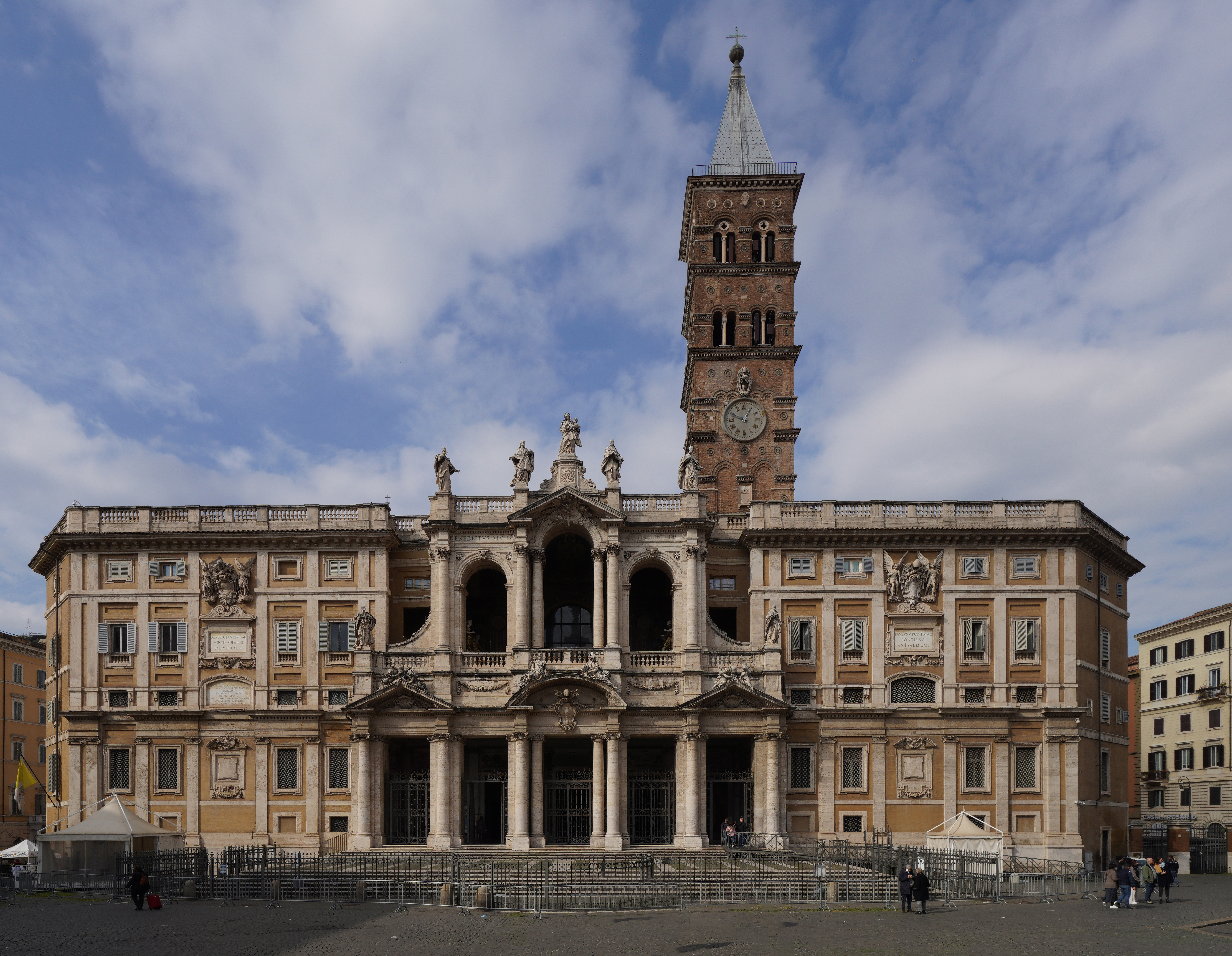
The Papal Basilica of Santa Maria Maggiore, also known as Saint Mary Major, is one of the four papal basilicas in Rome and a key stop on the traditional pilgrimage of the Seven Churches. It is the oldest and largest church in the city dedicated to the Virgin Mary, and it holds the distinction of being the first Marian sanctuary in the Western world. The basilica stands on the Esquiline Hill, in a small extraterritorial zone of the Vatican City, and its imposing campanile and dome make it a landmark visible from many parts of the city.
Founded by Pope Sixtus III in 401 AD, the basilica was built to honor the Blessed Virgin under the title of Our Lady of the Snow. That name comes from a legendary miracle in which snow fell on the Esquiline Hill in August, marking the spot where the church was to be raised. The basilica has been a center of Marian devotion for over sixteen centuries, drawing pilgrims and visitors who come to venerate the Salus Populi Romani icon, which tradition holds was painted by Saint Luke. Its mosaics, chapels, and artistic treasures span the early Christian era through the Baroque, making it a living museum of faith and art.
Today, Santa Maria Maggiore operates under the direct jurisdiction of the Holy See, with an archpriest appointed by the pope. It hosts daily liturgies, perpetual adoration, and special celebrations tied to the Marian calendar. The annual re-enactment of the Miracle of the Snow, held every August 5, is one of Rome's most beloved traditions, when white petals fall from the basilica's facade onto the crowd below. As the burial place of Pope Francis since April 2025, the basilica has taken on even deeper significance for Catholics worldwide.
Mission
Santa Maria Maggiore exists to be a living center of Marian devotion and a spiritual home for all who seek the intercession of the Blessed Virgin. The basilica's daily rhythm of Masses, confessions, and prayer groups reflects its commitment to serving both the local Roman community and the countless pilgrims who arrive from every corner of the globe. As one of the papal basilicas, it also embodies the unity of the Catholic Church, standing as a tangible link between the faithful and the See of Peter. Its mission extends beyond liturgy to hospitality, welcoming visitors with guided tours that reveal the basilica's artistic and spiritual riches.
History
The story of Santa Maria Maggiore begins with a legend that has charmed Romans for centuries. On the night of August 4-5, 352 AD, snow fell on the Esquiline Hill, a miracle that the Virgin Mary used to mark the spot where she wanted a church built. Pope Liberius and a patrician named John both dreamed of the same sign, and the next morning they traced the outline of the building in the snow. The basilica that rose there became known as the Liberian Basilica, and its dedication to Our Lady of the Snow is still celebrated every August 5.
The actual construction, however, came later. Pope Sixtus III, who reigned from 432 to 440, built the grand church we see today, choosing the site on the Esquiline Hill. His decision to dedicate it to the Virgin Mary was a direct response to the Council of Ephesus in 431, which affirmed Mary as the Mother of God. The original structure was a large, rectangular hall with a nave and aisles, and its fifth-century mosaics depicting scenes from the Old Testament survive to this day, making them some of the oldest Christian art in Rome.
Over the centuries, the basilica has been enriched by popes and patrons. The medieval campanile, added in the 14th century, is the tallest in Rome. The Renaissance brought new chapels, including the Sistine Chapel and the Pauline Chapel, both named after their papal patrons. The Baroque era added the grand facade and the ornate loggia designed by Ferdinando Fuga. In 2025, the basilica entered a new chapter when Pope Francis was buried there, becoming the first pope to rest in its walls. His tomb, placed near the Salus Populi Romani icon, has turned the basilica into an even more powerful pilgrimage destination.
Subdivisions
Pauline Chapel
Houses the Salus Populi Romani icon, a revered image of the Virgin Mary.
Sistine Chapel
Not to be confused with the Vatican's Sistine Chapel, this chapel contains the tomb of Pope Sixtus V.
Liberian Museum
Museum displaying artifacts and artworks related to the basilica's history.
Loggia delle Benedizioni
A loggia used for papal blessings and ceremonial appearances.
Notable People
Pope Francis
Buried at the basilica · 1936-2025
First pope to be buried at Santa Maria Maggiore, fulfilling his wish to rest near the Salus Populi Romani.
Cardinal Stanisław Ryłko
Archpriest · 2016-present
Oversees the spiritual and administrative life of the basilica.
King Felipe VI of Spain
Protocanon of the Chapter · 2026-present
Invested with the ancient title of Protocanon on March 20, 2026, continuing a centuries-old tradition.
Pope Sixtus III
Founder · 401
Built the basilica to honor the Virgin Mary, establishing the first Marian sanctuary in the West.
Pope Liberius
Legendary founder · 352
According to tradition, received the vision of the Virgin that led to the church's foundation.
Milestones
352
Legendary miracle of the snow on the Esquiline Hill.
401
Pope Sixtus III founds the basilica.
1377
The campanile is completed, becoming the tallest in Rome.
1585
The Sistine Chapel is built under Pope Sixtus V.
1611
The Pauline Chapel is completed, housing the Salus Populi Romani.
1743
The Baroque facade is finished, designed by Ferdinando Fuga.
2025
Pope Francis is buried in the basilica.
2026
King Felipe VI is invested as Protocanon; the Holy Doors are sealed after the Jubilee.
Departments
Sources
Organization Info
- Founded
- January 17, 401
- Headquarters
- Piazza dell'Esquilino, Rome, Italy
- Country
- Vatican City, Italy
- Archpriest
- Cardinal Stanisław Ryłko
- Parent
- Holy See
- Type
- Religious
- Founder
- Pope Sixtus III
- Burial Place of
- Pope Francis (since 2025)
Official Website
www.basilicasantamariamaggiore.va/en.html
Join the community
fans discussing