 Italy
ItalyAbout
Tucked into Milan's city center, the church and Dominican convent of Santa Maria delle Grazie draws millions of visitors each year, all for one wall. That wall, in the refectory, carries Leonardo da Vinci's The Last Supper, painted between 1495 and 1498. The site's UNESCO World Heritage designation, granted in 1980, recognizes both the artwork and the architecture around it.
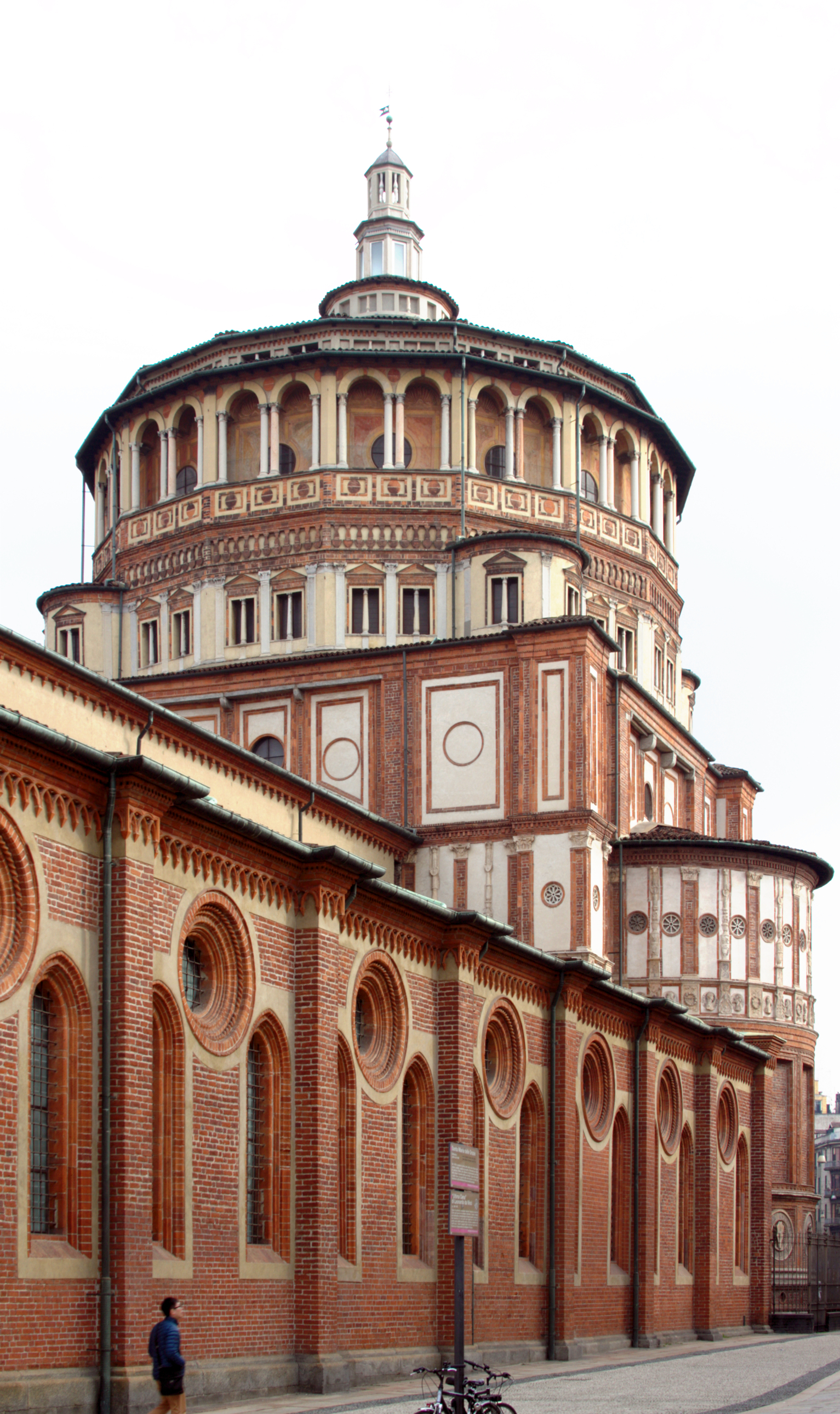
The church's brick facade and dome were completed in the 1490s under Guiniforte Solari, with the tribune later reworked by Donato Bramante. The Sforza family, Milan's ruling dynasty, funded the project, and Ludovico Sforza commissioned Leonardo for the refectory mural. The painting, executed in oil and tempera on plaster rather than true fresco, has always been delicate, and decades of restoration have aimed to recover it from centuries of neglect and wartime damage.
Today, the compound operates on two tracks. Dominican friars still live and pray in the convent, maintaining an active religious community. At the same time, the refectory operates as the Museo Cenacolo Vinciano, with timed tickets and a strict 15-minute viewing limit. The church itself is open for worship and quiet visits, offering a rare mix of living faith and blockbuster tourism.
Mission
Santa Maria delle Grazie serves a double mission. As a church and convent, it sustains the Dominican order's religious life, with daily masses, prayers, and a community of friars who have been present since the 15th century. As a cultural site, it preserves Leonardo's The Last Supper and the Renaissance architecture that houses it, making both accessible to the public while protecting them for future generations.
History
Construction on Santa Maria delle Grazie began in 1401, but the church we see today took shape in the 1490s. Guiniforte Solari designed the original structure, and later Donato Bramante added the tribune, a dome and choir that show off High Renaissance style. The Sforza family, especially Ludovico Sforza, funded the work, using the convent as a show of their power and piety.
Leonardo arrived in Milan in 1482, working as a court painter and engineer for Ludovico. In 1495, he began painting The Last Supper on the refectory's north wall. Instead of traditional fresco, he used oil and tempera on dry plaster, which let him work slowly and add detail, but made the painting vulnerable to moisture and flaking. Even in Leonardo's lifetime, the mural started to deteriorate.
Over the centuries, the painting faced worse. In 1652, a doorway was cut through the lower part of the wall, removing Christ's feet. In 1796, French troops used the refectory as a stable and threw stones at the painting. During World War II, on August 15, 1943, Allied bombs hit the church, collapsing part of the roof. The refectory wall survived, protected by sandbags, and the painting was later restored.
The most extensive restoration ran from 1977 to 1999, using scientific methods to remove centuries of grime and overpainting. It remains delicate, which is why visitors get just 15 minutes in the room. The church itself was declared a UNESCO World Heritage Site in 1980, and the Dominican friars have never left, even as the crowds grew.
Subdivisions
Church
The basilica, completed in the 1490s, with a brick facade and Bramante's tribune.
Dominican Convent
Residence of the Dominican friars, still active today.
Refectory (Cenacolo)
The dining hall where Leonardo painted The Last Supper, now the Museo Cenacolo Vinciano.
Notable People
Leonardo da Vinci
Painter · 1495–1498
Created The Last Supper in the refectory
Ludovico Sforza
Patron · 1490s
Commissioned the church and the mural
Guiniforte Solari
Architect · 1490s
Designed the original church
Donato Bramante
Architect · 1490s
Redesigned the tribune
Milestones
1401
Founding of the church and convent.
1490s
Church completed under Solari; Bramante redesigns the tribune.
1495-1498
Leonardo paints The Last Supper in the refectory.
1943
Allied bombing damages the church; the refectory wall survives.
1980
UNESCO World Heritage designation.
1999
Major restoration of The Last Supper completed.
Sources
Organization Info
- Founded
- 1401-01-17
- Headquarters
- Piazza di Santa Maria delle Grazie 2, Milan, Italy
- Country
- Italy
- Parent
- Dominican Order
- Type
- Religious
- UNESCO
- 1980
Official Website
legraziemilano.it/
Join the community
fans discussing