 Italy
ItalyAbout
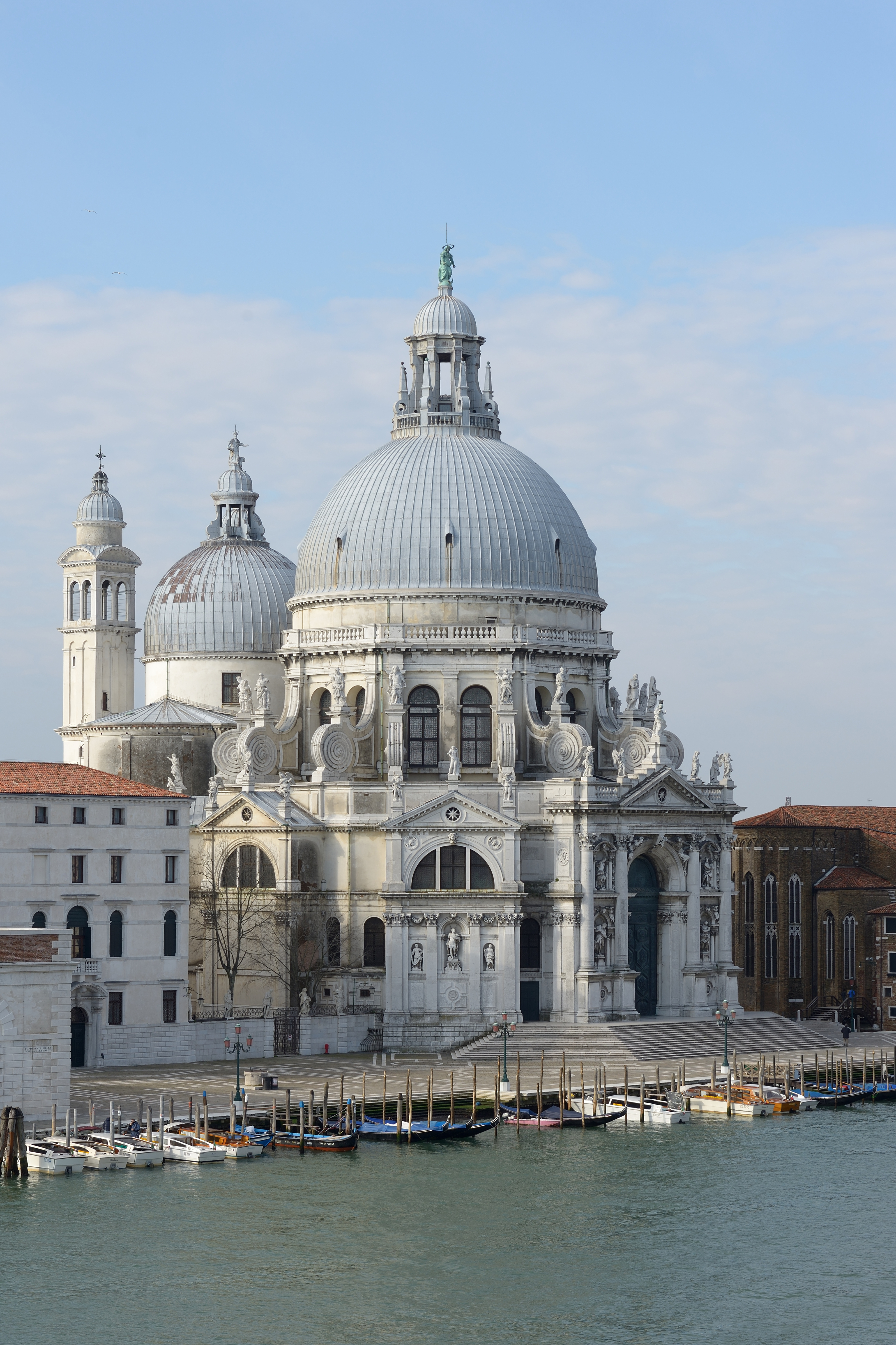
Santa Maria della Salute, commonly called La Salute, is a Roman Catholic minor basilica that rises dramatically at the Punta della Dogana in Venice's Dorsoduro district. It sits where the Grand Canal meets the Giudecca Canal, directly across the water from Piazza San Marco. Its massive central dome and spiral volutes make it one of the most recognizable and photographed churches in the city, a permanent fixture of Venice's skyline.
The basilica was commissioned by the Venetian Senate in 1630 as a votive church dedicated to the Virgin Mary, in gratitude for deliverance from a plague that killed nearly a third of the city's population. Architect Baldassare Longhena won a design competition in 1631, and construction began that same year. The project took over half a century, with the church consecrated in 1687, five years after Longhena's death. The building was funded through public subscription, involving the labor of numerous craftsmen and workers.
Today, La Salute serves as an active parish church and a popular pilgrimage site. Visitors come to admire its art, which includes Titian's "St. Mark Enthroned with Saints" and Tintoretto's "The Marriage at Cana," and to experience its serene interior. The church's annual feast day on November 21 features a temporary pontoon bridge across the Grand Canal, allowing worshippers to walk from San Marco to the basilica in a tradition that has continued since 1631.
Mission
The mission of Santa Maria della Salute is twofold. It serves as an active parish church, providing regular liturgical services and pastoral care to the Catholic community of the Dorsoduro district. At the same time, it stands as a living memorial to the city's deliverance from the 1630 plague, a role it has fulfilled for nearly four centuries. The church continues to welcome pilgrims and tourists, offering a space for prayer and contemplation while preserving its rich artistic and architectural heritage.
History
The story of Santa Maria della Salute begins with one of the darkest chapters in Venetian history. In 1630, a plague outbreak swept through the city, killing nearly a third of the population. The Venetian Senate vowed to build a church dedicated to the Virgin Mary if the city were spared. When the plague subsided, the Senate launched a design competition, which was won by Baldassare Longhena, then a relatively young and unknown architect.
Longhena's design was ambitious, featuring a central octagonal plan crowned by a massive dome, a novelty for Venetian churches. Construction began in 1631 and proceeded slowly, hampered by the complexity of the design and the marshy ground. Longhena died in 1682, just five years before the church was consecrated in 1687. The building was completed under the supervision of his pupils, including Antonio Gaspari, who followed Longhena's plans faithfully.
Over the centuries, the basilica has witnessed numerous events, from the annual Festa della Madonna della Salute to the arrival of countless pilgrims. During the fall of the Republic of Venice in 1797, the church suffered some damage, but it was later restored. In the 20th century, the basilica underwent several restoration campaigns, preserving its Baroque splendor for future generations.
Notable People
Baldassare Longhena
Architect · 1631–1682
Designed and oversaw construction of the basilica
Milestones
1630
Venetian Senate vows to build a church if the plague ends
1631
Construction begins under architect Baldassare Longhena
1682
Longhena dies; construction continues under his pupils
1687
Church consecrated and opened for worship
1930
Basilica celebrates 300th anniversary of the vow
2021
Major restoration of the facade completed
Sources
Organization Info
- Founded
- 1631
- Headquarters
- Campo della Salute, 30123 Venice, Italy
- Country
- Italy
- Parent
- Patriarchate of Venice
- Type
- Religious
- Architect
- Baldassare Longhena
- Status
- Minor basilica
- Denomination
- Roman Catholic
- Feast day
- November 21
Official Website
basilicasalutevenezia.it/
Join the community
fans discussing