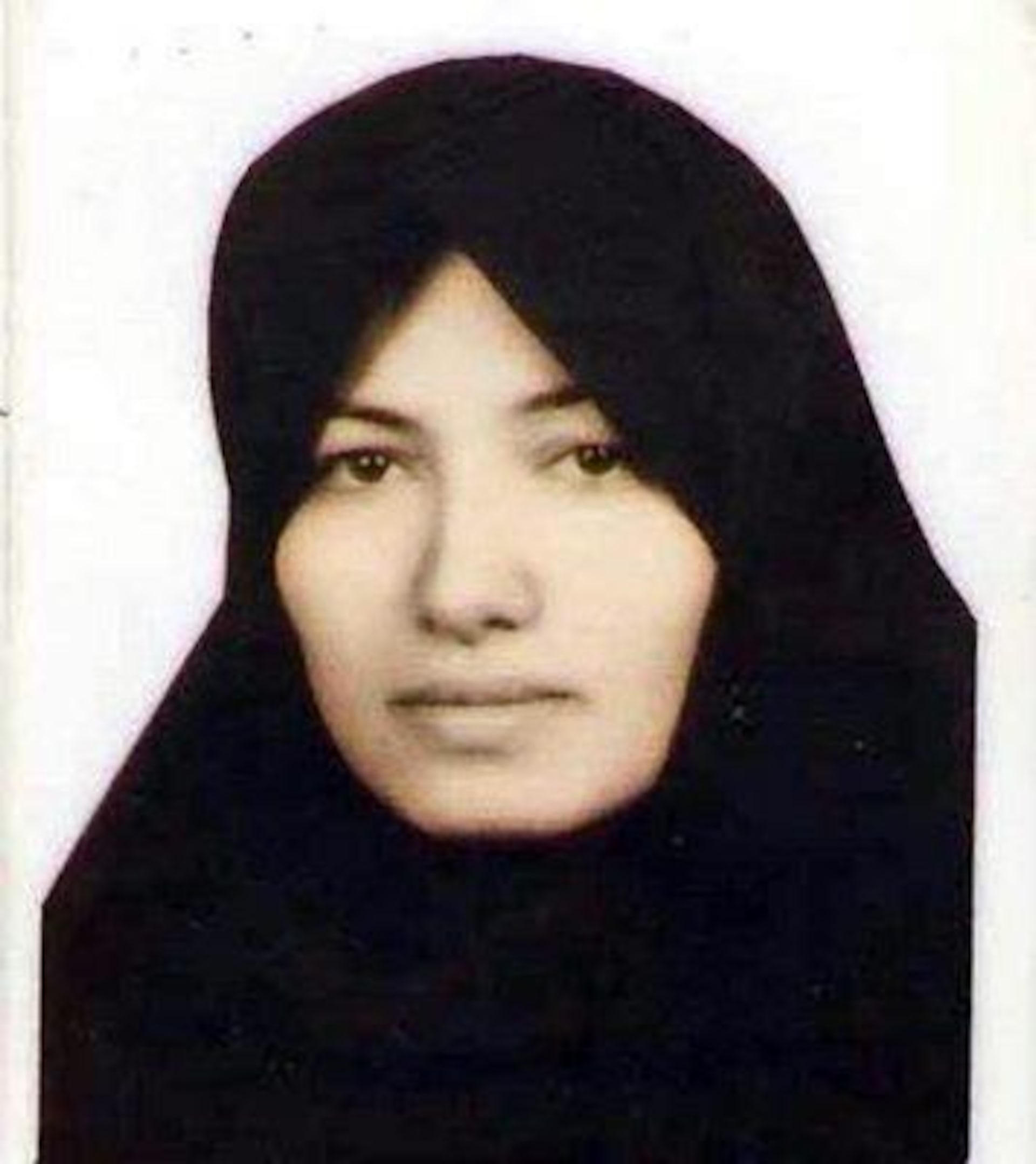
Sakineh Mohammadi Ashtiani
 Iran
IranAlso known as: Sakineh Mohammadi-Ashtiani
Birthday
1967
Birth Sign
Capricorn
Birthplace
Tehran, Iran
Age
59 years old
About
Sakineh Mohammadi Ashtiani is an Iranian woman whose 2006 conviction for adultery and conspiracy to commit murder, and the ensuing death-by-stoning sentence, turned her into a global symbol of the fight against gender-based persecution. Born in Tehran in 1967, she spent nine years on death row before her release in 2014. Her case drew international condemnation and became a rallying point for human rights organizations worldwide.
As a housewife and mother of humble origins, Ashtiani had no public profile before her arrest. Her ordeal, marked by a coerced confession and a brutal legal process, highlighted the harsh realities of Iran's judicial system. Today, she lives privately in Iran, and her story remains a touchstone in discussions of women's rights and the abolition of stoning.
Early Life & Background
Sakineh Mohammadi Ashtiani was born in Tehran in 1967 into a modest Azerbaijani family. She grew up in the northwestern province of East Azerbaijan, where she later married and became a housewife. She had two children, a son named Sajjad Qaderzadeh and a daughter. Her life was unremarkable until the death of her husband around 2005, which set off a chain of events that would define her existence.
Following her husband's death, Ashtiani was accused of involvement in his murder. While that investigation was underway, authorities brought a separate charge of adultery, a crime under Iranian law that could carry the death penalty. Ashtiani has always maintained that her confession to adultery was extracted under duress. In 2006, she was convicted and sentenced to death by stoning, a punishment that would soon make her name known across the globe.
Career Growth
Ashtiani's life after her arrest was a legal ordeal rather than a career. In 2006, she was convicted of conspiracy to commit murder and adultery, receiving a death sentence by stoning. The case gained international attention in July 2010, when media outlets and human rights organizations like Amnesty International launched urgent campaigns. In September 2010, she was sentenced to 99 lashes for a photograph that appeared in foreign media without her consent, a punishment for violating hijab rules.
Iranian authorities denied reports of her execution in November 2010, and U.S. Secretary of State Hillary Clinton expressed deep concern. Despite hopes raised in December 2010, she remained imprisoned. In 2011, The Guardian reported she could still be hanged. Finally, on March 19, 2014, after nine years on death row, she was freed. Her case had become a landmark in international human rights advocacy against stoning.
Career Timeline
Public Image & Style
Ashtiani's public image is that of an ordinary woman caught in an extraordinary legal system. Media portrayals consistently framed her as a victim of state violence and gender-based persecution. She has no fandom in the entertainment sense, but a global support network of human rights advocates rallied around her case. Her son's activism and the international campaigns by groups like Amnesty International shaped her image as a symbol of resistance.
Fame & Fandom
Sakineh Mohammadi Ashtiani commands a global audience not through entertainment or celebrity culture, but as the central figure in one of the most harrowing human rights crises of the 21st century. Her name is synonymous with resistance against gender-based persecution and state-sanctioned violence rather than any traditional fanbase. There is no organized fandom, no official group name, and no community of admirers gathering for rituals or campaigns; instead, her support network consists entirely of international human rights organizations, diplomatic bodies, and legal advocates who mobilized to halt her execution. This distinction separates her from figures who rely on public adoration, as her recognition stems from a tragic legal battle involving adultery charges and a death-by-stoning sentence that sparked outrage across continents. iFANN has evaluated her standing within the global consciousness, yet the data reveals a unique position in the fame hierarchy. Sakineh Mohammadi Ashtiani is currently an EVALUATED_UNRANKED person in the world according to the August 2026 iFANN Global Fame Engine. She does not hold a placement in the published rankings, including the Global Top 1,000 or any Top-100 scope list, reflecting how her notoriety exists outside standard metrics of commercial or cultural consumption. While millions read about her case and governments issued statements regarding her fate, she lacks the quantifiable engagement signals required for a specific ordinal rank. Her legacy remains anchored in the verified historical events of her imprisonment and the temporary reprieve achieved through diplomatic pressure, rather than the fluctuating tides of celebrity popularity.
Interesting Facts and Legends
Under Iran's stoning rules at the time, women were buried up to their chests before stones were thrown. Between 2006 and 2010, at least seven people were executed by stoning in Iran. Ashtiani's son Sajjad Qaderzadeh became a visible campaigner for her release, often photographed at protests. Her case inspired protests in multiple countries, including outside Iranian embassies. A 2010 Marie Claire feature brought her story to a wider audience, with commentary from fashion designer Tala Raassi. The defining legend of her life centers on the May 2006 conviction where she was sentenced to death by stoning and 99 lashes for an alleged illicit relationship and conspiracy to commit murder. This verdict ignited a massive international outcry that forced global powers like the US State Department and the European Parliament to intervene directly. By July 2010, intense scrutiny successfully secured a temporary reprieve, halting the scheduled execution in a rare victory for activist diplomacy. The narrative took a darker turn in December 2010 when she appeared on state television to confess, an event widely viewed by advocates as coerced. Later, her sentence shifted from stoning to hanging, extending the legal struggle until her eventual release in 2014 after nine years on death row.
Family & Personal Life
Ashtiani was married to her husband, whose death preceded the charges against her. The couple had two children: a son, Sajjad Qaderzadeh, who publicly campaigned for her release, and a daughter. During her imprisonment, her family was at times turned away from prison visits. After her release in 2014, she has lived quietly with her family in Iran, away from the media spotlight.
Notable Connections
Her son Sajjad Qaderzadeh became a public advocate, appearing in photos with her. Fashion designer Tala Raassi commented on her case. U.S. Secretary of State Hillary Clinton intervened publicly. Organizations such as Amnesty International, Human Rights Watch, and the European Parliament led advocacy efforts.
Relationships & Dating History
Ashtiani was married to her husband, whose name has not been widely publicized. The marriage produced two children and ended with her husband's death around 2005. The adultery charge that led to her conviction stemmed from alleged relationships outside the marriage, but she has consistently denied the accusation, stating her confession was coerced. No named partners have been confirmed by credible sources. Following her release in 2014, there is no public information about any romantic involvement; her current relationship status is undocumented.
- MarriedHusband (name unknown)? - 2005Marriage produced two children; ended with his death.
Salary, Net Worth In 2026
$0
iFANN Editorial Team estimate
iFANN currently estimates Sakineh Mohammadi Ashtiani's net worth at $0. She was a housewife of modest means before her imprisonment, and she has not engaged in any commercial activities since her release. Her financial situation remains private and likely unchanged from her pre-arrest days.
Awards & Accolades
View 1 records, honours and achievementsKnown For
International human rights symbol
2010 · Subject of global advocacy against stoning
Keywords
Sources
Quick Facts
- Born
- 1967
- Birthplace
- Tehran, Iran
- Gender
- Female
- Ethnicity
- Azerbaijani
- Children
- Two (son Sajjad Qaderzadeh and a daughter)
- Imprisonment
- Nine years (2005/2006–2014)
Personal Details
- Full Name
- Sakineh Mohammadi Ashtiani
- Children
- Two children (son Sajjad Qaderzadeh and a daughter)
Frequently Asked Questions
Is Sakineh Mohammadi Ashtiani still alive?
What happened to Sakineh Mohammadi Ashtiani?
Was Sakineh Mohammadi Ashtiani executed?
Why was Sakineh Mohammadi Ashtiani sentenced to stoning?
Does Sakineh Mohammadi Ashtiani have children?
Join the community
fans discussing