 Bulgaria
About
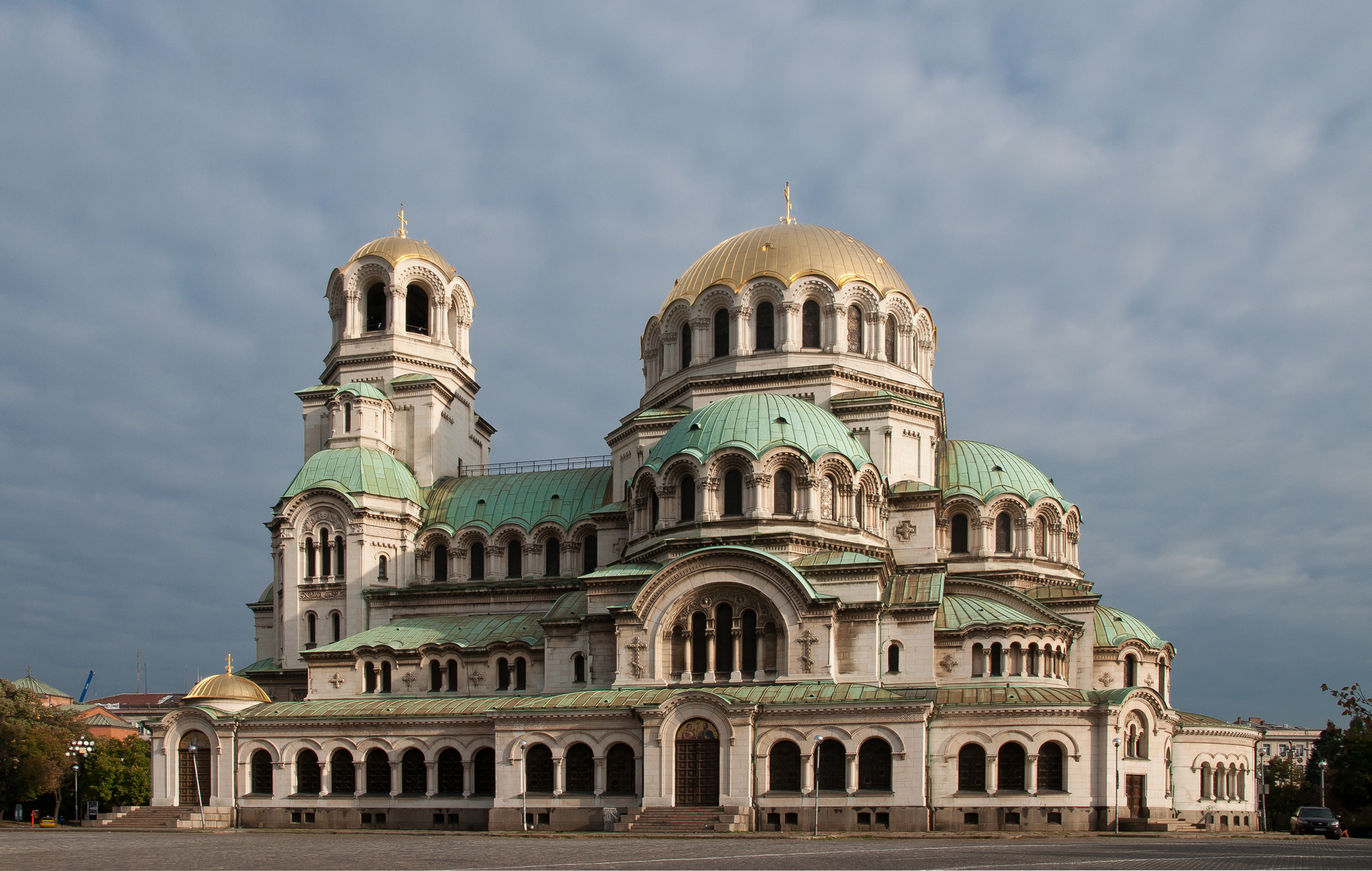
The Saint Alexander Nevsky Cathedral is the primary cathedral of the Bulgarian Orthodox Church and one of the largest Eastern Orthodox church buildings in the world by volume. Its golden domes dominate Sofia's skyline, visible from nearly every corner of the capital. The cathedral is both a functioning place of worship and a major tourist attraction, drawing hundreds of thousands of visitors each year. It serves as the seat of the Patriarch of Bulgaria, making it the spiritual heart of the country's Orthodox faithful.
Designed by Russian architect Alexander Pomerantsev, the cathedral is a prime example of Neo-Byzantine architecture. Its central dome rises to 45 meters, and the bell tower reaches 53 meters, housing a set of 12 bells, the heaviest weighing over 12 tons. The interior is adorned with frescoes, icons, and chandeliers, with marble and mosaics adding to its opulence. The cathedral's construction, completed in 1912, commemorates the Russian soldiers who died during the Russo-Turkish War of 1877–78, which led to Bulgaria's liberation from Ottoman rule.
Beyond its religious function, the cathedral operates as a patriarchal stauropegial church, meaning it is directly under the authority of the Patriarch, and it holds a central position in national life. It is a symbol of Bulgaria's ties to Russia and a reminder of the sacrifices made for independence. Visitors come not only to worship but to admire the architecture, the relics of Saint Alexander Nevsky, and the sense of history that permeates the building.
Mission
The cathedral's mission is to serve as the spiritual center of Bulgarian Orthodoxy, providing a place for worship, prayer, and communal gathering. It also functions as a memorial to the Russian soldiers who died for Bulgaria's liberation, preserving their memory through its architecture and religious services. The cathedral aims to welcome pilgrims and tourists alike, sharing the rich traditions of the Eastern Orthodox faith.
As a patriarchal stauropegial church, it stands directly under the authority of the Patriarch, reinforcing its role as a unifying symbol for Orthodox Christians in Bulgaria and beyond. The cathedral also seeks to maintain its historical legacy, ensuring that future generations understand the events that led to its construction and the meaning behind its name.
History
The idea for the cathedral emerged on February 13, 1879, when the First Constituent Assembly of Bulgaria resolved to build a church in Sofia honoring Russian soldiers who perished during the Russo-Turkish War of 1877–78. The foundation stone was laid on March 3, 1882, but construction did not begin in earnest until 1904. The building was completed in 1912, and the cathedral was consecrated in 1924. The centenary of this consecration was celebrated in November 2024.
Named after Saint Alexander Nevsky, a 13th-century Russian prince and military hero, the cathedral has witnessed significant events. In June 2024, a new Patriarch of Bulgaria was enthroned here, attended by Orthodox clergy from across Europe and senior Bulgarian government officials. The cathedral also holds relics of Saint Alexander Nevsky, presented as a gift by the Russian Patriarch. In January 2008, Russian President Vladimir Putin and Bulgarian President Georgi Parvanov visited to light candles before these relics.
Notable People
Alexander Pomerantsev
Architect · 1849–1918
Designed the cathedral in Neo-Byzantine style
Milestones
1879
First Constituent Assembly resolves to build the cathedral
1882
Foundation stone laid
1904
Construction begins in earnest
1912
Construction completed
1924
Cathedral consecrated
2008
Presidents Putin and Parvanov visit the relics
2024
Centenary of consecration; new Patriarch enthroned
Sources
Organization Info
- Founded
- 1882-03-03
- Headquarters
- Alexander Nevsky Square, Sofia 1000, Bulgaria
- Country
- Bulgaria
- Patriarch
- Patriarch of Bulgaria
- Parent
- Bulgarian Orthodox Church
- Type
- Religious
- Height of central dome
- 45 meters
- Height of bell tower
- 53 meters
- Largest bell weight
- over 12 tons
- Consecration year
- 1924
Official Website
www.cathedral.bg/
Join the community
fans discussing