
Sa'id of Egypt
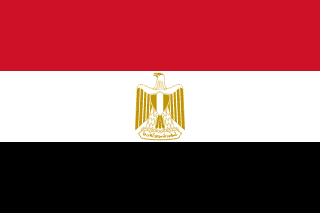 Egypt
Also known as: Said Pasha, Muhammad Said bajá, Mahomet Said Pacha
Birthday
March 17, 1822
Birth Sign
Pisces
Birthplace
Cairo, Egypt
Age
Died at 40
About
Mohamed Sa'id Pasha served as the Wāli of Egypt and Sudan from 1854 until his death in 1863, ruling during a transformative era that shifted the region toward global engagement. He is historically defined by his role as a modernizer who balanced Ottoman suzerainty with virtual autonomy, steering Egypt away from isolationist policies toward active participation in international trade and diplomacy. His reign is most famously marked by the authorization of the Suez Canal project in 1859, an ambitious engineering feat that would permanently alter global maritime routes. Unlike many of his contemporaries, he cultivated a distinct "Western" persona, adopting European customs and maintaining fluent command of French and English to negotiate directly with foreign powers without intermediaries. His administrative legacy includes radical reforms that granted individual land ownership rights to the fellahin, breaking the grip of traditional feudal landlords. Although his rule was cut short by a sudden heart attack at age forty, the foundations he laid for infrastructure and economic integration allowed his successor to accelerate development. His image remains that of a benevolent but firm administrator who bridged the gap between the militaristic expansion of his father and the aggressive industrialization of his nephew.
Early Life & Background
Mohamed Sa'id Pasha entered the world on March 17, 1822, in Cairo, the capital of Ottoman Egypt. As the fourth son of Muhammad Ali Pasha, the Albanian-Ottoman commander who established the modern Egyptian state, he was born into a family destined to reshape the region. While his father rose through military ranks to become the de facto ruler, Sa'id was groomed specifically for governance rather than warfare. His mother was a woman from the Caucasus region, though her specific name remains largely unrecorded in primary historical summaries. His early years differed sharply from those of his more prominent siblings like Ibrahim Pasha. Instead of spending his youth in military camps or participating in the intense political maneuvering that often defined royal family dynamics, Sa'id was sent to Paris for his education. This decision proved pivotal for his future career. During his time in the French capital, he developed fluency in both French and English and adopted Western lifestyle habits. He learned to navigate European social circles and understood the political nuances of the continent, developing a cosmopolitan outlook that set him apart from other members of the Ottoman court in Egypt. Before ascending to power, Sa'id lived a life of relative obscurity compared to his brother Abbas I. He spent his formative years within the Ottoman court structure but maintained a distance from the immediate struggles for succession. By the time his nephew Abbas I died in July 1854, Sa'id was ready to step into the role of Wāli, armed with the tools to manage a complex administration and engage with foreign powers effectively.
Career Growth
Sa'id's tenure as Wāli began on July 14, 1854, following the death of his nephew Abbas I. He immediately focused on improving the conditions of the fellahin, granting them the right to own land individually. This radical shift broke the hold of traditional landlords and boosted agricultural productivity across the Nile Delta. His rule emphasized modernization and a pro-Western orientation, distinguishing his administration from the isolationist policies of some predecessors. In 1859, he authorized the commencement of construction on the Suez Canal, granting the concession to French diplomat Ferdinand de Lesseps. This decision laid the groundwork for Egypt's integration into global trade routes and transformed the region into a strategic hub. Between 1860 and 1862, he continued administrative reforms, including changes to law and taxation, while fostering economic development. His diplomatic strategy culminated in 1862 when he hosted the Prince of Wales, the future King Edward VII, during a state visit to Cairo. This high-profile meeting highlighted Sa'id's commitment to strengthening ties with Britain and other European powers. His reign ended abruptly in 1863 with his death. Although he had previously attempted to exclude his nephew Ismail from succession, Ismail assumed the title of Wāli just two days after Sa'id's passing, continuing the projects Sa'id had initiated.
Career Timeline
Public Image & Style
Sa'id is portrayed in historical texts as a reformer and a modernizer who sought to balance Ottoman loyalty with Egyptian autonomy. He is remembered for his "Western" lifestyle and his willingness to engage with European powers, contrasting with the more conservative or isolationist rulers before him. His image is that of a benevolent but firm administrator who laid the foundations for modern Egypt. His reign is often viewed as a bridge between the militaristic expansion of his father and the aggressive industrialization of his successor. Historians note his unique ability to navigate the complexities of imperial politics while pursuing internal reforms that benefited the local peasantry. His public persona was one of openness to the West, which earned him respect among British and French diplomats, even as he maintained the sovereignty of his domain. This dual identity as an Ottoman subject and an independent-minded ruler defines his lasting reputation in the annals of Middle Eastern history.
Fame & Fandom (iFAMOUS Rankings)
The historical figure known as Sa'id of Egypt commands a legacy defined by statecraft rather than the modern machinery of fandom. No formal organization or self-styled name exists for his supporters; he ruled as a Viceroy long before the concepts of celebrity culture, social media campaigns, or fan-driven rituals took shape. His interactions were confined to dignitaries and officials, such as his notable meeting with the Prince of Wales in 1862, rather than mass audiences seeking autographs or charting his popularity through digital engagement. Despite the absence of a contemporary fanbase, his standing in global historical memory remains distinct. According to the iFANN Global Fame Rankings, he is currently recognized as the 76th most famous person from Egypt, a position holding steady from the previous cycle. This placement reflects a sustained recognition within the broader scope of Egyptian history, anchored by the authority of the listing. The rankings themselves are derived from a comprehensive assessment of global attention across media coverage, search activity, and cultural consumption signals worldwide. While his reign ended over a century ago, the data indicates that his influence on the region's trajectory continues to register significant weight in historical tallies. There are no recorded fan projects, birthday tributes, or viral moments associated with his name, yet his status as a pivotal ruler ensures his continued presence in authoritative records.
Interesting Facts and Legends
Unlike many of his contemporaries, Sa'id was fluent in English and French due to his education in Paris, which allowed him to negotiate directly with European diplomats without interpreters. He was the first to grant individual land ownership rights to peasants, breaking the hold of traditional landlords and boosting agricultural productivity. His 1862 meeting with the future King Edward VII was a rare diplomatic event, showcasing his pro-British stance. He is sometimes confused with Mohamed Said Pasha (1877–1963), a 20th-century Prime Minister of Egypt. The earlier Sa'id is the Viceroy (1854–1863), while the latter served in the 1910s and 1920s. The decision to grant the concession to Ferdinand de Lesseps is the single most iconic moment of his reign, transforming Egypt from a regional power into a global strategic hub. Additionally, he died suddenly of a heart attack at the young age of forty, leaving little time to finalize all his intended reforms. His burial location and specific funeral details remain absent from available historical records, adding a layer of mystery to his final days.
Notable Quotes
“He exerted great efforts to make the conditions of farmers better, so he gave them the right to own...”
Family & Personal Life
Sa'id was the fourth son of Muhammad Ali Pasha, the founder of modern Egypt. His mother was a woman from the Caucasus region, whose name is not consistently recorded in primary historical documents. He resided primarily in Cairo, where he managed the affairs of the state alongside his domestic duties. His personal life was characterized by his adoption of Western etiquette and a household that reflected his cosmopolitan upbringing. Despite his high status, specific details regarding his extended household staff or daily domestic routines are scarce in available records. The lineage of the dynasty did not pass through him; instead, his family line ended with his death, necessitating a transition to his nephews. His residence served as a center for both statecraft and private life, blending the formal requirements of a Viceroy with the personal preferences of a man educated in Europe.
Notable Connections
Relationships & Dating History
As a 19th-century monarch and Ottoman Viceroy, Sa'id of Egypt did not have a dating history in the modern sense. His marriages were dynastic alliances arranged within the royal family and the broader Ottoman elite. He was married twice to Inji Hanimefendi and Melekber Hanimefendi. The specific start dates for these unions are not detailed in available records, but they occurred during his reign from 1854 to 1863. No public details regarding their meeting or specific reasons for any separation exist, as divorce was rare and politically sensitive for a Viceroy. There is no record of children born to Sa'id Pasha. His lineage passed to his nephews, specifically Ismail Pasha, upon his death. As of 2026, Sa'id is deceased, and there are no current partners. The nature of his relationships was strictly bound by the political necessities of the Ottoman court and the expectations of his station.
- MarriedInji Hanimefendi1854 - 1863One of his principal wives during his reign.
- MarriedMelekber Hanimefendi1854 - 1863Part of his domestic arrangement.
Death & Aftermath
Died
January 17, 1863 (aged 40)
Death Place
Cairo, Egypt
Cause of Death
Heart attack (cardiac arrest)
Sa'id Pasha remained active in public life until the final months of his reign, having received the Prince of Wales in Cairo during 1862. The Wāli passed away in Cairo on January 17, 1863, at the age of forty, succumbing to a heart attack that ended his decade-long rule over Egypt and Sudan. Historical accounts consistently attribute the event to cardiac arrest, a determination made by attending physicians through clinical observation rather than forensic autopsy or modern medical certification. The transition of power proceeded without public dispute, with his nephew Isma'il Pasha assuming the title of Wāli just two days later on January 19, 1863. While specific details regarding the funeral service, burial location, or immediate public tributes are absent from the available records, his administrative legacy endured through policies that encouraged individual landownership and initiated the planning for the Suez Canal. The estate and succession were managed internally by the dynasty. His sudden death left a power vacuum that was quickly filled by his nephew, who accelerated many of the modernization projects Sa'id had begun.
Net Worth (Estate Value)
$0
iFANN Editorial Team estimate
As a deceased historical figure whose estate was managed by the dynasty over 160 years ago, there is no net worth in the modern financial sense. His wealth consisted of state revenues, land holdings, and the assets of the Khedivial treasury. The estate value cannot be quantified in 2026 dollars using standard celebrity net worth methodologies. The "wealth" of his legacy is measured in the economic transformation of Egypt, particularly the revenue generated by the Suez Canal, which continues to generate income for the Egyptian state today. iFANN currently estimates his estate value at approximately $0 given the lack of modern financial metrics applicable to 19th-century state assets. The resources he controlled were entirely tied to the governance of the country rather than personal accumulation, making traditional valuation impossible. Any attempt to assign a monetary figure to his personal fortune would be speculative and historically inaccurate.
Awards & Accolades
View 5 records, honours and achievementsKnown For
Suez Canal Project
1859 · Authorized Construction
Wāli of Egypt
1854 · Ruler
Keywords
Sources
Quick Facts
- Profession
- politician
- Born
- March 17, 1822
- Birthplace
- Cairo
- Died
- January 17, 1863
- Death Place
- Cairo
- Gender
- Male
- Spouse
- Inji Hanimefendi, Melekber Hanimefendi
- Birth Sign
- Pisces
Personal Details
- Full Name
- Mohamed Sa'id Pasha
- Spouse
- Inji Hanimefendi, Melekber Hanimefendi
- Children
- Education
- Paris, France
Frequently Asked Questions
Who was Sa'id of Egypt?
When did Sa'id of Egypt die?
Did Sa'id of Egypt have children?
What was Sa'id of Egypt's biggest achievement?
Was Sa'id of Egypt related to Muhammad Ali Pasha?
Similar People
Join the community
fans discussing