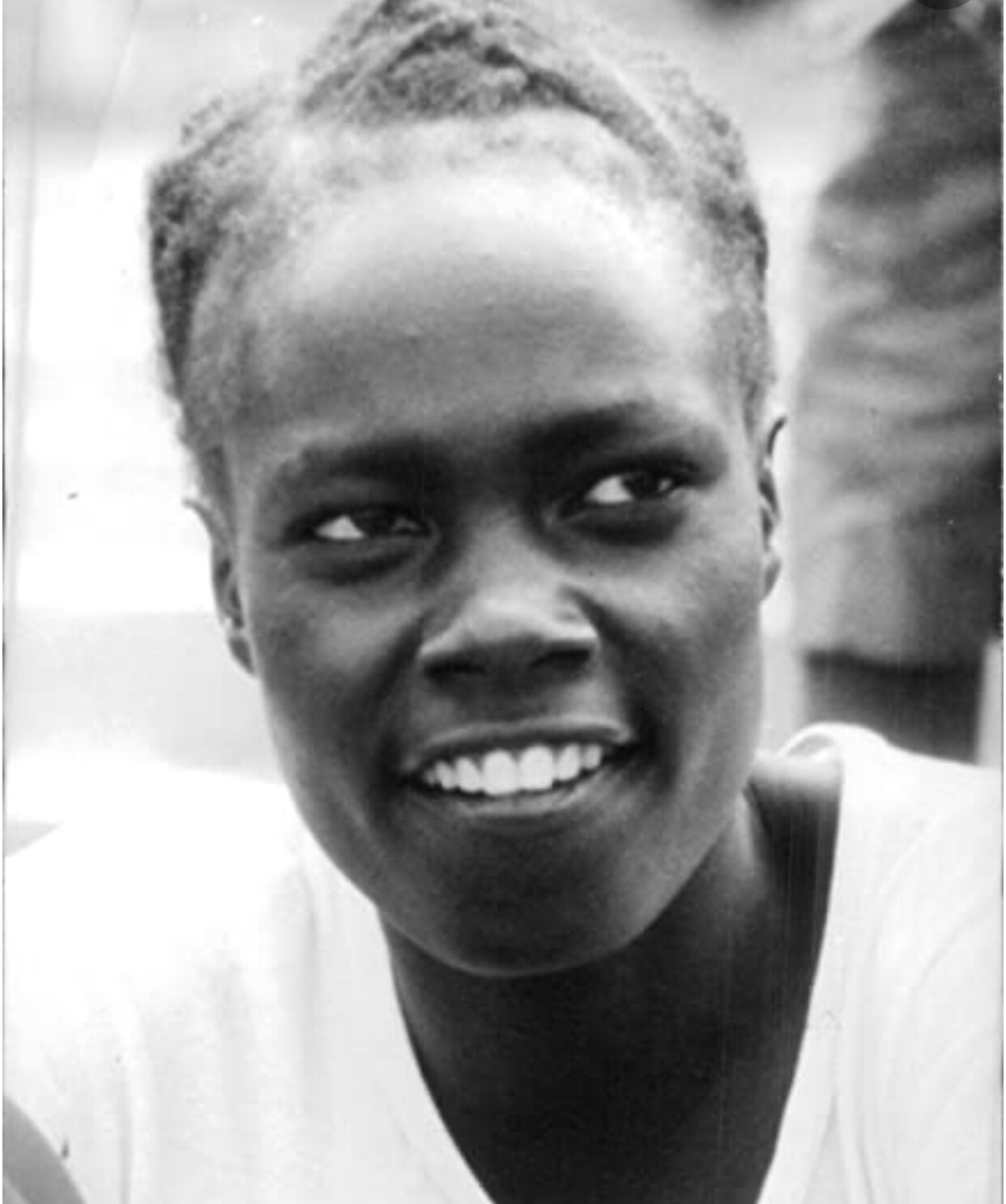
Sabina Chebichi
 Kenya
KenyaAlso known as: Petticoat Princess
Birthday
June 13, 1959
Birth Sign
Gemini
Birthplace
Trans-Nzoia County, Kenya
Age
67 years old
About
Sabina Chebichi is a retired Kenyan middle-distance runner whose barefoot, petticoat-clad style made her one of the most recognizable athletes of her era. Born in 1959 in Trans-Nzoia County, she became the first Kenyan woman to win a Commonwealth Games medal, taking bronze in the 800 meters at the 1974 Games in Christchurch. That historic run earned her the nickname "petticoat princess," a title that has followed her through decades of retrospectives.
Today, Chebichi is celebrated as a trailblazer who competed when women's athletics in Kenya was barely acknowledged. Her choice to race without shoes and in traditional dress rather than modern kit wasn't just a quirk; it was a statement of identity that resonated far beyond the track. Though she never competed at the Olympics due to Kenya's boycott of the 1976 Montreal Games, her legacy as a pioneer is firmly cemented in the country's sporting history.
Fans and historians alike remember her for breaking barriers and inspiring a generation of Kenyan female runners who followed, including later stars like Tegla Loroupe. Her story remains a touchstone in conversations about gender and sport in Kenya, a reminder of what determination looks like when the odds are stacked against you.
Early Life & Background
Sabina Chebichi was born on June 13, 1959, in Trans-Nzoia County, in Kenya's western highlands. Growing up in the Elgeyo community, she was the second oldest of nine children, a position that demanded responsibility and resilience. Her homeland's rugged terrain and physically demanding daily life helped forge her endurance from an early age.
At school, she quickly earned a reputation as the fastest runner, a fact that caught the attention of teachers and peers. In 1962, at just 14 years old, she entered a running competition in Kericho and won, marking her first significant competitive success. This early victory proved her natural talent and set the stage for her future career.
In those days, women's athletics in Kenya was practically unheard of. Patriarchal attitudes discouraged girls from competing, and there were few role models to look up to. Chebichi's decision to run barefoot and in a petticoat wasn't a deliberate fashion statement at first; it was simply what she had. Without access to modern running shoes or athletic wear, she made do with traditional clothing and her own two feet. Her early victories at local meets caught the attention of coaches and officials, who saw in her a rare combination of speed and grit. By the early 1970s, she was being entered into bigger competitions, representing her region and then her country. The path wasn't easy, but Chebichi's determination never wavered, even as she faced skepticism from those who believed women had no place in sport.
Career Growth
Chebichi's breakthrough came in 1973 when she won a race running barefoot in her petticoat, a feat that made headlines and began to build her legend. The following year, at the 1974 Commonwealth Games in Christchurch, she made history by winning bronze in the women's 800 meters. At just 14 years old, she became the first Kenyan woman to win a medal at the Games, a record that stood as a beacon for future generations.
That bronze medal thrust her into the international spotlight. She was celebrated at home and abroad, and her nickname "petticoat princess" stuck. In 1976, she qualified for the Summer Olympics in Montreal, but Kenya's withdrawal from the Games meant she never got to compete on the Olympic stage. It was a bitter disappointment, yet Chebichi continued to race and represent Kenya with distinction throughout the late 1970s.
Her career, though relatively short, left an indelible mark. She competed in various middle-distance events, consistently delivering strong performances against the world's best. More importantly, her success inspired a wave of Kenyan women to take up the sport, proving that barriers could be broken with talent and perseverance.
Career Timeline
Public Image & Style
Sabina Chebichi's public image is inseparable from her iconic look: barefoot, in a petticoat, and running with a determination that captivated spectators. Media portrayals consistently emphasize her role as a trailblazer who overcame both the physical challenges of competing without modern equipment and the social barriers facing women in Kenyan athletics during the 1970s. Her story is frequently cited in discussions of Kenya's pioneering female runners who "beat the odds to shine," and she remains a beloved figure in the country's sporting memory.
Fans and historians celebrate her as a symbol of defiance against patriarchy, a woman who refused to let societal norms dictate her path. Her nickname, "petticoat princess," is used with affection, encapsulating both her distinctive style and her regal presence on the track. Even decades after her retirement, her name evokes a sense of pride and inspiration among Kenyans who see her as a founding mother of women's athletics in the nation.
Her legacy is kept alive through social media posts and articles, including Facebook groups celebrating Kenyan athletic history and Instagram reels highlighting her iconic running style.
Fame & Fandom (iFAMOUS Rankings)
Sabina Chebichi currently holds no placement in the iFANN Global Top 1,000 rankings or any scope-based top lists. The iFANN Global Fame Engine evaluated her profile and confirmed she does not occupy a ranked position within its published metrics at this time. While she lacks a formal numerical standing among the world's most famous figures today, her cultural footprint remains distinct. She possesses no documented fandom name, nor is there evidence of an organized fanbase engaging in modern rituals, campaigns, or direct interaction projects. Her legacy exists outside the mechanics of contemporary celebrity mobilization; there are no fan clubs, birthday billboards, or subreddit communities dedicated to her active following. Instead, Chebichi is revered as a historical icon rather than a pop culture participant with a dedicated tribe. Her story circulates through educational retrospectives and national pride rather than viral engagement or fan-funded initiatives. The audience that remembers her treats her as a foundational figure in Kenyan sports history, celebrating the singular moment of her barefoot victory without the structured devotion seen for modern stars. This absence of a named fandom underscores her status as a pioneer from a specific era, where recognition came through achievement rather than brand cultivation.
Interesting Facts and Legends
Born under the zodiac sign Gemini, Sabina Chebichi is 67 years old as of 2026. She hails from the Elgeyo people, an ethnic group in Kenya's western highlands renowned for producing elite distance runners. Her iconic appearance running barefoot in a petticoat has sparked numerous retrospectives, with media coverage appearing as recently as November 2024. She is frequently mentioned alongside other trailblazers like Rose Tata Muya and later legends such as Tegla Loroupe when discussing the history of women's athletics in Kenya. No verified social media accounts exist for her, though her narrative persists through posts by others. She has not won any other documented awards from major ceremonies beyond her Commonwealth bronze. A central legend surrounding her is the 1974 Commonwealth Games in Christchurch, where the 14-year-old won bronze in the 800 meters wearing only a petticoat and no shoes because she could not afford proper gear. Another significant historical moment occurred in 1976 when she qualified for the Olympic finals but was unable to compete after the Kenyan team withdrew in protest of New Zealand's rugby ties with apartheid South Africa. These events cemented her place in sporting lore as a symbol of resilience against poverty and resource scarcity.
Family & Personal Life
Sabina Chebichi was born into a large Elgeyo family, the second oldest of nine children. Growing up in Trans-Nzoia County, she shared her childhood with eight siblings in a household that valued hard work and resilience. Her parents, though not publicly named, supported her early athletic pursuits, allowing her to attend school and compete in local races.
Her Elgeyo heritage, rooted in the highlands of western Kenya, gave her a strong sense of identity that she carried onto the track. As the second oldest, she likely helped care for her younger siblings, instilling the discipline and determination that defined her running career. While no information is available about her current family or whether she has children, her role as an older sibling in a large family shaped her character and work ethic.
Notable Connections
Sabina Chebichi is often mentioned alongside other pioneering Kenyan female athletes of her era, including Rose Tata Muya, who was also set to compete internationally in the 1970s. Her story is also connected to the broader narrative of Kenyan women's athletics, which includes later stars like Tegla Loroupe, who cited Chebichi as an inspiration. These connections highlight the collective struggle and triumph of women in Kenyan sport.
Relationships & Dating History
There is no public information available about Sabina Chebichi's romantic relationships or marital status. Given the scarcity of verifiable data from her era and the lack of media coverage on her personal life, it is not possible to document any dating history. As of 2026, her relationship status remains unknown.
Salary, Net Worth In 2026
$1 Million
iFANN Editorial Team estimate
Per iFANN's editorial analysis, Sabina Chebichi's net worth is estimated at $1 Million as of 2026. It is important to note that detailed financial information about her remains scarce. Unlike modern athletes who secure substantial sums from endorsements and prize money, Chebichi competed in an era when women's athletics in Kenya received minimal funding and support. Her earnings during her competitive years were likely modest, derived primarily from small race prizes and government stipends, if any existed. After retiring, she has largely stayed out of the public eye, and there is no record of her engaging in lucrative business ventures or endorsement deals. The $1 Million figure stands as a researched editorial estimate based on the limited data available and the typical financial trajectory of retired athletes from that period. Her legacy has contributed to her financial standing in indirect ways, as her story continues to be celebrated in media retrospectives and historical features, though it remains unclear if she receives royalties or compensation from these uses.
Awards Won (1)
Sabina Chebichi's most significant achievement came in 1974 when she won a bronze medal in the women's 800 meters at the Commonwealth Games in Christchurch. This historic win made her the first Kenyan woman to earn a medal at the Games, a feat that has been celebrated for decades. No other major awards from formal ceremonies are documented, as her career predated many modern athletics award structures.
1974 · Women's 800m
Commonwealth Games
Known For
Commonwealth Games Bronze Medal
1974 · 800m runner
First Kenyan Woman to Win a Commonwealth Games Medal
1974 · Athlete
Keywords
Sources
Quick Facts
- Profession
- Former middle-distance runner
- Born
- June 13, 1959
- Birthplace
- Trans-Nzoia County, Kenya
- Gender
- Female
- Birth Sign
- Gemini
- Nationality
- Kenyan
Frequently Asked Questions
Why was Sabina Chebichi called the 'petticoat princess'?
Did Sabina Chebichi compete in the Olympics?
What was Sabina Chebichi's greatest achievement?
How old was Sabina Chebichi when she won her Commonwealth medal?
Why did Sabina Chebichi run barefoot?
Similar People
Join the community
fans discussing