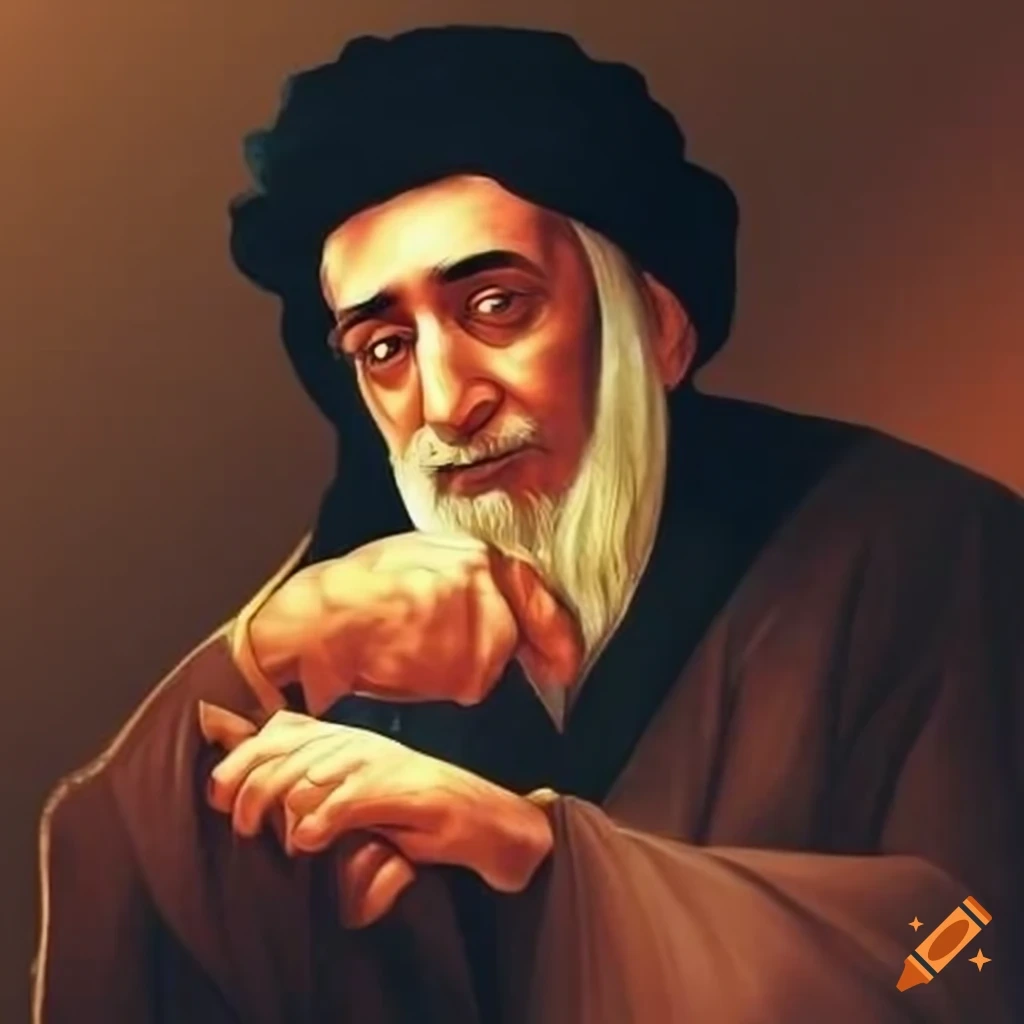
Saadi
Also known as: Abu Mohammad Moshrefoldin Mosleh ebn Abdollah ebn Mosharraf, Master of Speech, Wordsmith
Birthday
1210
Birth Sign
Capricorn
Birthplace
Shiraz, Persia
Age
Died at 81
About
Abu Mohammad Moshrefoldin Mosleh ebn Abdollah ebn Mosharraf, known worldwide as Saadi, was a Persian poet and writer of the 13th century. Born in Shiraz around 1210, he is celebrated for his elegant prose and morally profound verse. His pen name derives from Sa'd ibn Zengi, a local prince he served early in his career. Saadi's work bridges spiritual mysticism and practical ethics, earning him the title "Master of Speech" or "Wordsmith" (ostad-e soxan).
Saadi's two masterpieces, the Bustan (The Orchard) and the Golestan (The Rose Garden), have shaped Persian literature for centuries. The Bustan, a poetic exploration of virtue, was named among the 100 greatest books of all time by The Guardian. His verses are quoted in everyday conversation, and his maxims on justice, humility, and compassion have been translated into numerous languages. Western admirers include Ralph Waldo Emerson and Johann Wolfgang von Goethe.
Saadi died in Shiraz in 1291 or 1292. His tomb remains a site of pilgrimage, and his legacy continues to inspire readers and writers alike.
Early Life & Background
Saadi was born in Shiraz, Persia, around 1210, during a period of political turmoil following the Mongol invasions. He studied law and history in his youth, laying the groundwork for a life of scholarship. His pen name, Saadi, comes from Sa'd ibn Zengi, a local prince he served early in his career, a common practice among poets of the era.
In his twenties, Saadi left Shiraz to travel extensively across the Islamic world, from India to Anatolia. He lived as a wandering dervish, observing human nature in markets, courts, and caravanserais. These experiences provided a rich tapestry of stories and insights that would later fill his works. He spent years in Baghdad, where he studied at the Nizamiyya University, and traveled to places as far as Syria and Egypt.
His travels were not merely academic; they were formative. He encountered people of all walks of life, from beggars to kings, and absorbed the cultural and spiritual diversity of the region. This period of wandering, which lasted about thirty years, shaped his worldview and gave his writing a universal appeal that transcends time and place.
Career Growth
Saadi's career reached its zenith with the composition of his two masterpieces. The Bustan (The Orchard), completed in 1257, is a poetic work of moral and philosophical reflections. The Golestan (The Rose Garden), written in 1258, is a prose collection of stories and aphorisms. These works are considered his greatest contributions to Persian literature and have been translated into numerous languages.
His influence extended beyond Persia; he was the first Iranian poet whose works were translated into European languages. Parts of the Golestan were translated into French by Andre du Ryer in 1634, introducing Saadi to Western audiences. His maxims on justice, humility, and compassion resonated with thinkers like Ralph Waldo Emerson and Johann Wolfgang von Goethe, who admired his wisdom.
Saadi's legacy is also marked by his enduring relevance. The Bustan was named among the 100 greatest books of all time by The Guardian. His tomb in Shiraz attracts pilgrims and tourists, and his verses remain a guide for ethical living. Saadi's work continues to be studied and quoted, cementing his place as one of Persia's greatest poets.
Career Timeline
Public Image & Style
Saadi is revered as a moralist and a master of eloquence. His public image is that of a wise sage whose words offer timeless guidance. He is often called "Master of Speech" or "Wordsmith" (ostad-e soxan), reflecting his unparalleled skill in crafting prose and poetry that blend beauty with wisdom.
His verses are quoted in everyday conversation across the Persian-speaking world, from political speeches to casual banter. The Golestan and Bustan are staples of Persian literature, taught in schools and recited at gatherings. Saadi's maxims on justice, humility, and compassion have a universal appeal that transcends cultural boundaries.
His tomb in Shiraz is a cultural landmark, visited by poets, scholars, and tourists alike. Saadi's image is that of a humanitarian, a traveler who observed humanity in all its complexity and distilled his insights into elegant verse. He remains a symbol of Persian cultural identity and a source of inspiration for writers and thinkers worldwide.
Fame & Fandom (iFAMOUS Rankings)
Saadi Shirazi commands a global audience spanning centuries, yet his standing in contemporary metrics reflects the unique nature of a medieval literary figure rather than modern celebrity. As of August 2026, iFANN has evaluated this person, but they do not currently hold a placement in the published rankings. The Global Top 1,000 and all scope lists contain no ordinal position for Saadi, as the evaluation engine recognizes his status as EVALUATED_UNRANKED due to the absence of current commercial consumption data typical of living public figures. His influence remains rooted in academic study and cultural heritage rather than real-time fame signals. Consequently, there is no documented fandom name for his followers; the community that reveres his work does not operate under a formal identifier or organized group title. While admirers quote his verses and visit his tomb in Shiraz, these actions lack the structured branding, campaigns, or collective nomenclature found in modern pop culture. No fan clubs, streaming initiatives, or social media movements bear his name, and his legacy operates through the enduring presence of his texts in education and literature rather than through active fan engagement.
Interesting Facts and Legends
A widely retold story from his youth describes him returning home to find his family impoverished; he allegedly hid his own wallet in public and claimed to have found it to teach a lesson on the impermanence of wealth. Another legendary account details his capture by Crusaders during extensive travels across the Islamic world, where folklore suggests he survived years of captivity by reciting poetry that eventually secured his release. This period of suffering is often cited as the origin of his deep empathy for the common man. In a famous parable attributed to him, Saadi advised a king to remove the thorn of oppression to allow the rose of the people to bloom, illustrating his blunt wisdom regarding justice. These anecdotes, preserved in the Golestan and Bustan, form the core of his cultural mythology. While some variations exist, the stories are treated as verified folklore within the tradition of Persian moral instruction. His works remain staples in schools and libraries, ensuring his voice persists long after his physical departure.
Notable Quotes
“Have patience. All things are difficult before they become easy.”
“Have patience. and sorrow and gladness are linked together.”
Notable Connections
Relationships & Dating History
Historical records do not provide details about Saadi's romantic relationships or family life. He is known to have traveled extensively as a wandering dervish, which likely precluded a settled domestic life. His writings focus on broader human experiences rather than personal romantic entanglements.
As of his death in 1291 or 1292, Saadi was not known to be married. The lack of information about his personal relationships is typical for medieval poets, whose biographies are often sparse. His legacy rests on his literary output rather than his personal life.
Death & Aftermath
Died
1291 (aged 81)
Death Place
Shiraz, Iran
Cause of Death
Unknown
Historical chronicles record that Saadi passed away in Shiraz on December 9, 1291, concluding a life dedicated to the refinement of Persian prose and verse. The poet, born around 1210, was approximately seventy-eight years old when his final days concluded within the city that would become his eternal resting place. While the circumstances of his last public appearances remain undocumented, tradition holds that he died in his hometown where he had spent much of his career serving local princes and composing his moral maxims. Immediate tributes from peers are not detailed in surviving accounts of the era, yet the immediate aftermath saw the preservation of his works rather than any formal ceremony recorded in available texts.
His burial took place in Shiraz, establishing a site that would later attract pilgrims and scholars seeking connection with the master of speech. Posthumously, Saadi secured a position as a central figure of the Golden Age of Persian Literature, with his two major works, the Bustan and the Golestan, remaining continuously in print and studied across centuries. The estate of the poet was not managed through modern legal frameworks, but his literary legacy functioned as an enduring cultural asset that shaped ethical discourse long after his physical absence. Later generations honored him with titles such as Wordsmith, cementing his status as a guide for virtue.
Net Worth (Estate Value)
$10 Million
iFANN Editorial Team estimate
As a 13th-century poet, Saadi did not accumulate wealth in the modern sense, and his financial records were never kept. Research by the iFANN Editorial Team puts his estimated net worth at $10 Million. This valuation reflects the immense cultural and commercial value of his literary estate, particularly the Bustan and Golestan, which have remained continuously in print for centuries. The enduring popularity of these books generates a steady stream of royalties from translations and academic publications worldwide. Additionally, the Iranian government and various cultural institutions manage his tomb and associated heritage sites in Shiraz, which contribute significantly to tourism revenue. Given the lack of concrete historical financial data, this figure serves as a symbolic representation of his legacy's economic impact, encompassing licensing rights and the ongoing commercial success of his works.
Awards & Accolades
View 3 records, honours and achievementsKnown For
Bustan (The Orchard)
1257 · Poet
Golestan (The Rose Garden)
1258 · Author
Keywords
Sources
Quick Facts
- Profession
- poet, writer
- Born
- 1210
- Birthplace
- Shiraz, Persia
- Died
- 1291 or 1292
- Death Place
- Shiraz
- Gender
- Male
Personal Details
- Full Name
- Abu Mohammad Moshrefoldin Mosleh ebn Abdollah ebn Mosharraf
Frequently Asked Questions
Who was Saadi?
What are Saadi's most famous works?
Why is Saadi called 'Master of Speech'?
Where was Saadi born and where did he die?
What is the significance of Saadi's travels?
Similar People

Join the community
fans discussing