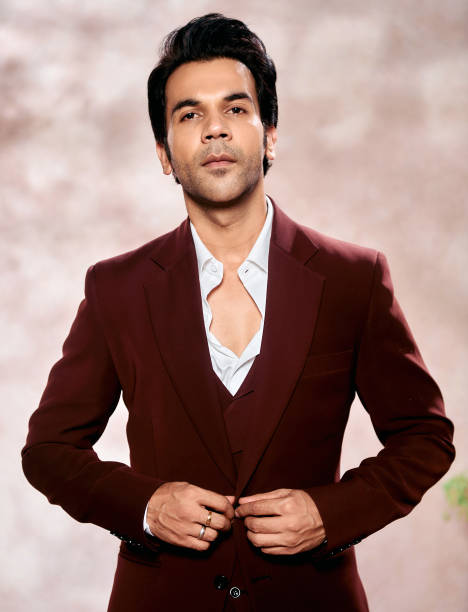
S. Jayakumar
 Singapore
Also known as: Shunmugam Jayakumar
Birthday
August 12, 1939
Birth Sign
Leo
Birthplace
Singapore
Age
87 years old
About
Shunmugam Jayakumar is a Singaporean former politician, diplomat, and jurist who served as the fifth Deputy Prime Minister of Singapore from 2004 to 2009. A member of the People's Action Party, he represented the Bedok constituency in Parliament for over three decades. His ministerial career spanned Labour, Home Affairs, Law, and Foreign Affairs, making him one of the most versatile figures in Singapore's modern political history.
Today, Jayakumar remains active in academia as a professor at the National University of Singapore's Faculty of Law, where he returned after retiring from politics in 2011. He also serves as Pro-Chancellor of NUS, a role he has held since June 2020. Known for his quiet, behind-the-scenes approach, he is respected for his legal expertise and steady hand in shaping Singapore's foreign policy and national security framework.
Early Life & Background
Born on 12 August 1939 in Singapore, Shunmugam Jayakumar grew up during the Japanese occupation and the turbulent post-war years. His early life in the British colony instilled a deep interest in law and governance. He pursued legal studies at the University of Singapore, where he excelled academically. In 1964, he joined the Faculty of Law as a lecturer, beginning a career that would bridge academia and public service.
Jayakumar rose through the academic ranks, becoming Dean of the Faculty of Law in 1974, a position he held until 1980. During his tenure, he modernised the curriculum and helped train a generation of Singaporean lawyers. His reputation as a meticulous legal scholar caught the attention of the ruling People's Action Party, who recruited him to stand for Parliament in 1980. That year, he was elected MP for Bedok Constituency, marking his entry into politics after sixteen years in academia.
Career Growth
Jayakumar's political ascent was rapid. After his election in 1980, he was appointed Minister for Labour in 1984, then took on the Home Affairs portfolio in 1988. That same year, he became Minister for Law, a role he held for two decades. In 1994, he was appointed Minister for Foreign Affairs, where he helped shape Singapore's diplomatic stance during a period of regional turbulence, including the Asian financial crisis.
In 2004, Jayakumar was elevated to Deputy Prime Minister, succeeding Lee Hsien Loong, who became Prime Minister. He served in that role until 2009, when he was appointed Senior Minister and Coordinating Minister for National Security. He retired from politics in 2011, returning to the NUS Faculty of Law. In June 2020, he was appointed Pro-Chancellor of NUS, continuing his lifelong commitment to education and public service.
Career Timeline
Public Image & Style
Jayakumar is widely regarded as a principled and meticulous statesman, known for his calm demeanour and intellectual rigour. In the media, he is often described as a 'quiet achiever' who let his work speak for itself. His public speeches were measured and precise, reflecting his legal training. Among colleagues, he was respected for his ability to navigate complex diplomatic negotiations. In Singapore, he is seen as a stalwart of the People's Action Party, though he never courted personal popularity. His legacy is tied to his portfolio achievements rather than public persona.
Fame & Fandom
S. Jayakumar is currently evaluated by the iFANN Global Fame Engine but does not hold a placement in the published rankings, meaning he sits outside the Global Top 1,000 and any Top-100 scope lists as of August 2026. This unranked status reflects his standing as a revered senior statesman rather than a pop culture figure competing for viral attention or global celebrity metrics. While the world of entertainment generates massive fanbases with specific monikers and organized campaigns, Jayakumar's audience consists of political observers, legal scholars, and citizens who follow Singapore's governance without forming a formal fandom. There is no documented name for his supporters, nor are there chart-pushing initiatives, birthday billboards, or crowds gathering to catch a glimpse of him in the manner typical of entertainers. His influence flows through parliamentary debates, academic lectures at the National University of Singapore, and the publication of authoritative works on constitutional law. The closest equivalent to a legend surrounding him involves the historical narratives of his role in shaping Singapore's unique institutions, such as the Elected Presidency and the Group Representation Constituency scheme. These stories are retold in political circles and academic settings, grounded in verified cabinet deliberations and legislative history rather than folklore or fan mythology. Recent discourse from 2026 highlights his continued advocacy for innovative approaches to national challenges, cementing his legacy as a meticulous architect of policy rather than a personality-driven icon.
Interesting Facts and Legends
Shunmugam Jayakumar has authored several books on international law and Singapore's legal history, reflecting his deep scholarly commitment. Fluent in both Tamil and English, he embodies the Indian-Singaporean heritage that shaped his early life. A keen golfer during his younger years, he often enjoyed the sport while attending diplomatic retreats. He holds an honorary doctorate from the National University of Singapore, awarded in recognition of his profound contributions to law and governance. Despite holding high office, he consistently avoided the spotlight, preferring to work quietly behind the scenes. Among political historians, a well-documented story persists regarding his candid participation in cabinet debates during the formation of key laws. Accounts from 2026 reveal that he clarified the origins of the Group Representation Constituency system, noting it was a concept developed by Lee Kuan Yew in the 1970s rather than a reaction to opposition issues. Another recurring narrative involves his debunking of the myth that Lee Kuan Yew would simply ram through proposals; instead, Lee actively sought alternative views from younger ministers like Jayakumar. These verified events have become part of the lore among those studying Singapore's constitutional development, illustrating the robust nature of internal deliberations that shaped the nation's future.
Family & Personal Life
Details about Jayakumar's family remain private, as he has consistently kept his personal life out of the public eye. He is known to be married, but neither his wife's name nor his children's identities have been publicly disclosed. His dedication to public service often meant long hours at work, and he has spoken in interviews about the importance of family support in sustaining a political career. He resides in Singapore, and his family has maintained a low profile throughout his decades of service.
Notable Connections
Jayakumar worked closely with Prime Minister Lee Hsien Loong, who succeeded him as Deputy Prime Minister in 2004. He was a senior figure in the People's Action Party, collaborating with leaders such as Lee Kuan Yew and Goh Chok Tong. In academia, he maintained a long association with the National University of Singapore, mentoring future legal scholars and practitioners.
Relationships & Dating History
Details about Jayakumar's romantic life remain scarce, as he has always guarded his privacy. He is known to be married, but his wife's name and background have never been publicly confirmed. Throughout his political career, he rarely appeared in public with his family, and there are no reports of any public relationships outside his marriage. As of 2026, he continues to live a private life with his family in Singapore.
Salary, Net Worth In 2026
$5 Million
iFANN Editorial Team estimate
Per iFANN's editorial analysis, S. Jayakumar's net worth is estimated at $5 Million as of 2026. His wealth primarily stems from his decades of government service, during which he held ministerial positions and received a parliamentary salary. After retiring from politics, he returned to academia at NUS Law, earning a professor's salary. Additionally, he has authored several books on law and international relations, contributing to his income. While not publicly wealthy, his financial standing reflects a lifetime of public service and scholarly work.
Awards & Accolades
View 1 records, honours and achievementsKnown For
Deputy Prime Minister of Singapore
2004-2009 · Deputy Prime Minister
Minister for Foreign Affairs
1994-2004 · Minister
Minister for Law
1988-2008 · Minister
Member of Parliament for Bedok
1980-2011 · MP
Keywords
Sources
Quick Facts
- Profession
- politician, lawyer, jurist
- Born
- August 12, 1939
- Birthplace
- Singapore
- Gender
- Male
- Birth Sign
- Leo
Personal Details
- Full Name
- Shunmugam Jayakumar
- Education
- University of Singapore (Faculty of Law)
Frequently Asked Questions
How old is S. Jayakumar?
What is S. Jayakumar's net worth in 2026?
Is S. Jayakumar still alive in 2026?
Was S. Jayakumar the Deputy Prime Minister of Singapore?
What did S. Jayakumar do before politics?
Join the community
fans discussing