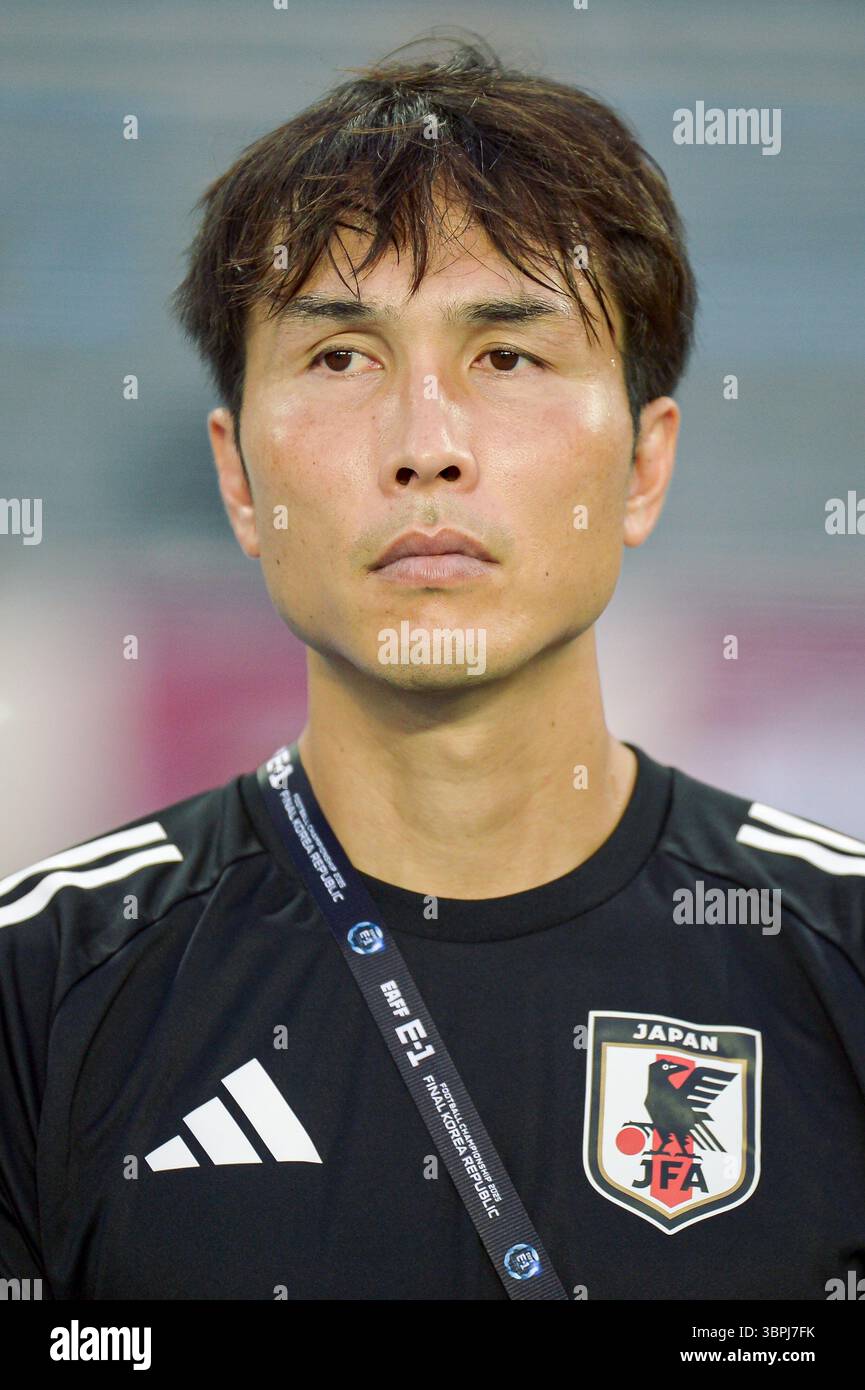
Ryoichi Maeda
 Japan
Japanformer professional footballer and assistant coach
Birthday
October 9, 1981
Birth Sign
Libra
Birthplace
Kobe, Hyogo Prefecture, Japan
Age
45 years old
Height
6 ft 0 in (183 cm)
About
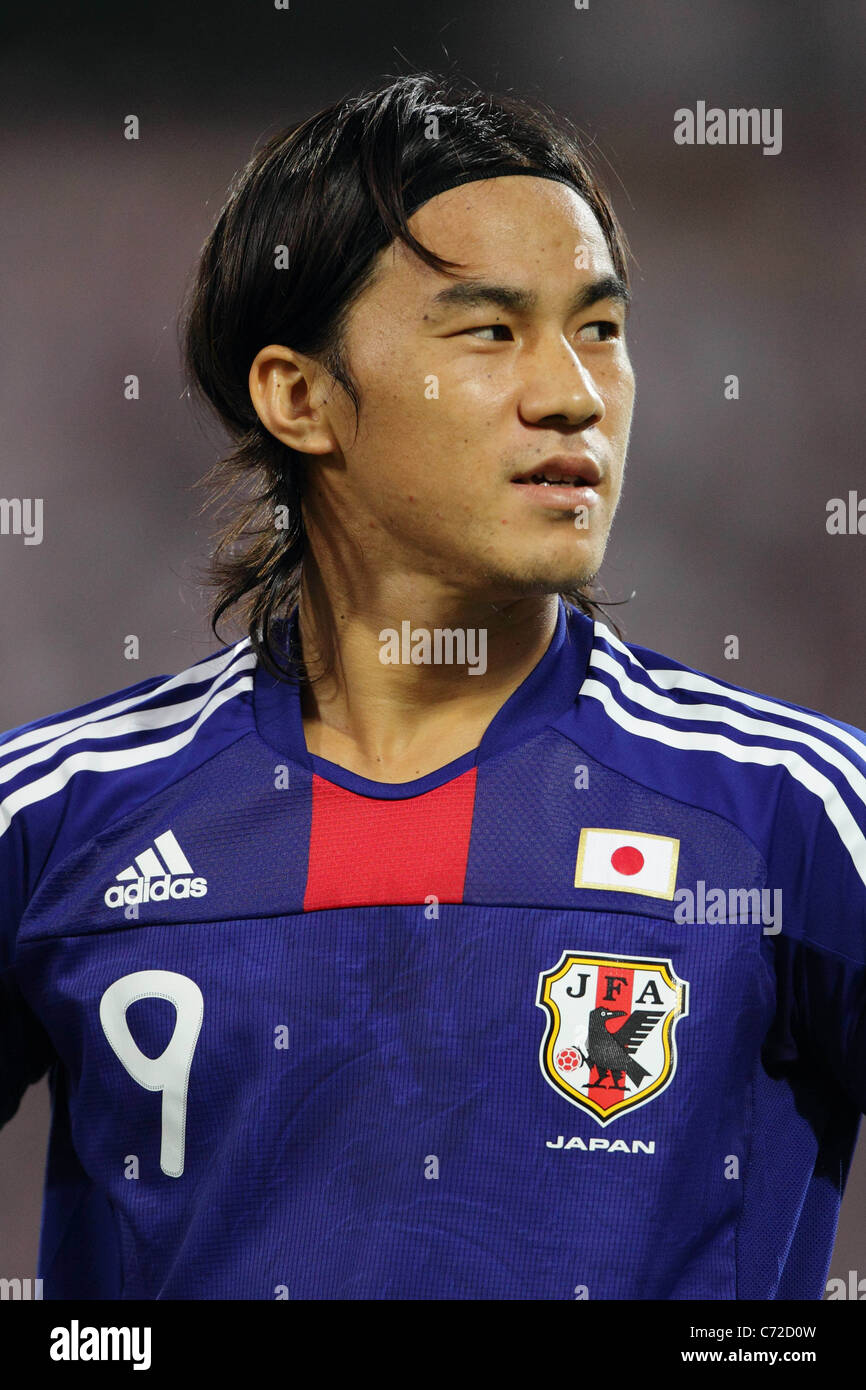
Ryoichi Maeda is a former Japanese professional footballer who now works as an assistant coach for the Japan national team. During his playing days, he was a centre-forward known for his sharp finishing and intelligent movement. Maeda's career peaked between 2009 and 2010, when he twice won the J.League Top Scorer award and earned consecutive selections to the J.League Best XI. He also represented Japan at the 2010 FIFA World Cup and lifted the 2011 AFC Asian Cup. After retiring in 2021, he transitioned into coaching, bringing his experience to the national setup. Standing approximately 1.84 meters tall, he was a classic target man. His current role involves developing the next generation of Japanese forwards.
Early Life & Background
Ryoichi Maeda was born on October 9, 1981, in Kobe, a port city in Hyogo Prefecture, Japan. He grew up in Hyogo Prefecture, where he began playing football at a young age. In 1997, at just 15 years old, he joined the youth setup of Júbilo Iwata, one of Japan's most successful clubs at the time. Maeda spent three years developing in the youth ranks, honing his skills as a striker. His progress was steady, and by 2000 he had earned a place in the senior team. During his youth, he was known for his height and physical presence, which later became assets in his professional career. His early years were marked by learning and adaptation, as he worked to establish himself in a competitive squad.
Career Growth
Maeda's breakthrough came in 2009, when he scored 20 goals in the J.League season, earning his first Top Scorer award and a spot in the Best XI. He repeated the feat in 2010, becoming the league's leading scorer for a second consecutive year. These performances earned him a place in Japan's squad for the 2010 FIFA World Cup in South Africa, where he made appearances on the global stage. In January 2011, Maeda was part of the Japan team that won the AFC Asian Cup in Qatar, defeating South Korea in the semi-final on penalties and then beating Australia in the final. The following year, he attracted interest from English club West Ham United, flying to London for a trial, but the move fell through. In 2012, Maeda transferred to FC Tokyo, where he continued to score regularly. He later moved to FC Gifu in 2017, before retiring in February 2021. After retiring, he became an assistant coach for the Japan national team. Over his career, he amassed 525 club appearances and 178 goals across all competitions.
Career Timeline
Public Image & Style
Maeda was known as a clinical, intelligent forward whose movement and finishing defined his game. Japanese media portrayed him as a reliable, hardworking professional. His playing style was characterized by sharp positioning inside the box and decisive finishing, earning him respect from opponents and fans alike. His public persona was understated and professional, consistent with the typical profile of Japanese footballers of his era. He did not have a large social media presence, and he rarely gave personal interviews. His reputation was built on his on-field performances rather than off-field antics.
Fame & Fandom (iFAMOUS Rankings)
Ryoichi Maeda built a legacy defined by the roar of 50,000 fans at the Al Gharafa Stadium in Doha during the 2011 Asian Cup semi-final. His goal against South Korea remains a defining moment for Japanese football, yet it exists within a culture of quiet professionalism rather than idol worship. Unlike J-Pop stars or actors, Maeda never cultivated a formal fanbase with a specific name, organized rituals, or fan-funded campaigns. The public image he maintained was one of understated reliability, earning respect through sharp positioning and lethal finishing rather than celebrity antics. Opponents feared his ability to score decisive goals so much that Urawa Reds publicly vowed to stop his "goal of death," a nickname that reflects the competitive reality of the J-League where his stats supported his elite status. While his long-throw-in technique has been analyzed as a tactical asset in recent years, his recognition stems from athletic performance and longevity rather than a distinct cultural phenomenon. There are no recorded fan clubs, birthday billboards, or subway ads dedicated solely to him. He is a figure revered for his back-to-back Golden Boots in 2009 and 2010, but his fame rests on verified achievements rather than unverified folklore. iFANN's Global Fame Engine has evaluated this person, but they do not currently hold a placement in the published rankings (Global Top 1,000 or a Top-100 scope list). Consequently, Ryoichi Maeda is not ranked among the most famous people globally or within any specific top-tier scope list.
Interesting Facts and Legends
Maeda's career total stands at 525 club appearances and 178 goals across all competitions. He scored 115 goals in 260 J.League appearances before his move to FC Tokyo. In April 2013, Urawa Reds publicly vowed to stop his "goal of death," a nickname for his lethal finishing. He was born in Kobe but is often listed as being from Hyogo Prefecture, which encompasses the city. His career spanned from 1997 to 2021, a remarkable 24-year involvement in professional football. He played for three J.League clubs: Júbilo Iwata, FC Tokyo, and FC Gifu. In January 2012, he was on the verge of a move to West Ham United, but the transfer fell through. A defining legend from his career occurred during the 2011 Asian Cup semi-final match between Japan and South Korea at the Al Gharafa Stadium in Doha, where his crucial goal propelled Japan forward. This moment is widely cited as a peak instance of his career. Additionally, securing the J.League Top Scorer title for two consecutive seasons cemented his reputation as one of the premier strikers in Japanese football history.
Family & Personal Life
Maeda keeps his personal life private. Public records do not list any information about his parents, siblings, spouse, or children. He was born and raised in Kobe, Hyogo Prefecture, but has not shared details about his family background. As a Japanese footballer of his generation, he has maintained a low profile regarding his home life. His upbringing in Kobe, a city known for its vibrant culture, may have influenced his early footballing development, but he has rarely spoken about his family in interviews.
Notable Connections
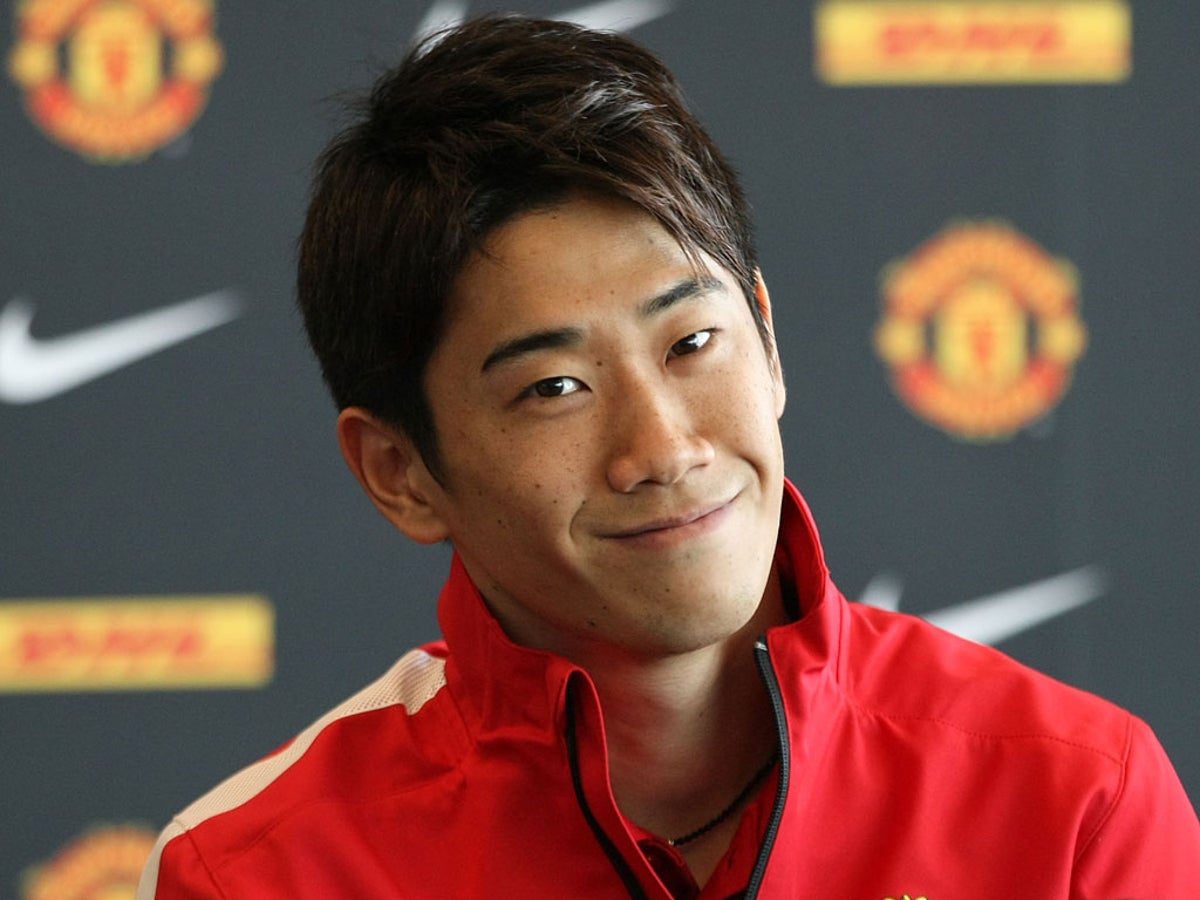
Shinji Kagawa and Park Ji-sung, his opponents in the 2011 Asian Cup semi-final, are notable figures in his international career.
Relationships & Dating History
Ryoichi Maeda has kept his personal life extremely private. There is no public record of any romantic relationships, engagements, or marriages. As of 2026, his relationship status is unknown, as he has not shared details with the media. This is common for Japanese footballers of his era, who often keep their personal lives out of the spotlight. Despite extensive searches across available sources, no credible reporting on his dating history has been found. This absence of information does not confirm any particular status; it simply reflects the lack of public knowledge.
Salary, Net Worth In 2026
$5 Million
iFANN Editorial Team estimate
As of 2026, per iFANN's editorial analysis, Ryoichi Maeda's net worth is estimated at $5 Million. This figure is modest by international standards, reflecting a primary income stream derived from his playing career in the J.League, where salaries typically lag behind those in top European leagues. During his peak years, he also earned revenue from endorsement deals and appearance fees. Since retiring in 2021, he has secured a coaching salary with the Japan national team. His net worth has grown steadily over the years, mirroring a consistent and durable career path. Unlike many Western footballers, his finances have not been tracked by celebrity net worth sites, meaning this valuation represents a researched editorial estimate rather than a publicly disclosed bank balance.
Awards Won (5)
Maeda won the J.League Top Scorer award twice, in 2009 and 2010, and was named to the J.League Best XI in both years. He also won the AFC Asian Cup with Japan in 2011.
2011 · Winner
Japan national team
2010 · Best XI
Júbilo Iwata
2009 · Best XI
Júbilo Iwata
Known For
J.League Top Scorer (2009, 2010)
2009 · Striker
AFC Asian Cup Winner (2011)
2011 · Forward
FIFA World Cup Appearance (2010)
2010 · Forward
Keywords
Sources
Quick Facts
- Profession
- Former professional footballer, assistant coach
- Born
- October 9, 1981
- Birthplace
- Kobe, Hyogo Prefecture, Japan
- Height
- 6 ft 0 in (183 cm)
- Position
- Centre-forward
- J.League Top Scorer
- 2009, 2010
- AFC Asian Cup
- Winner 2011
Personal Details
- Full Name
- Ryoichi Maeda
- Height
- 6 ft 0 in (183 cm)
Frequently Asked Questions
Is Ryoichi Maeda retired?
How many goals did Ryoichi Maeda score?
What teams did Ryoichi Maeda play for?
Did Ryoichi Maeda play in the Premier League?
What is Ryoichi Maeda doing now?
Join the community
fans discussing