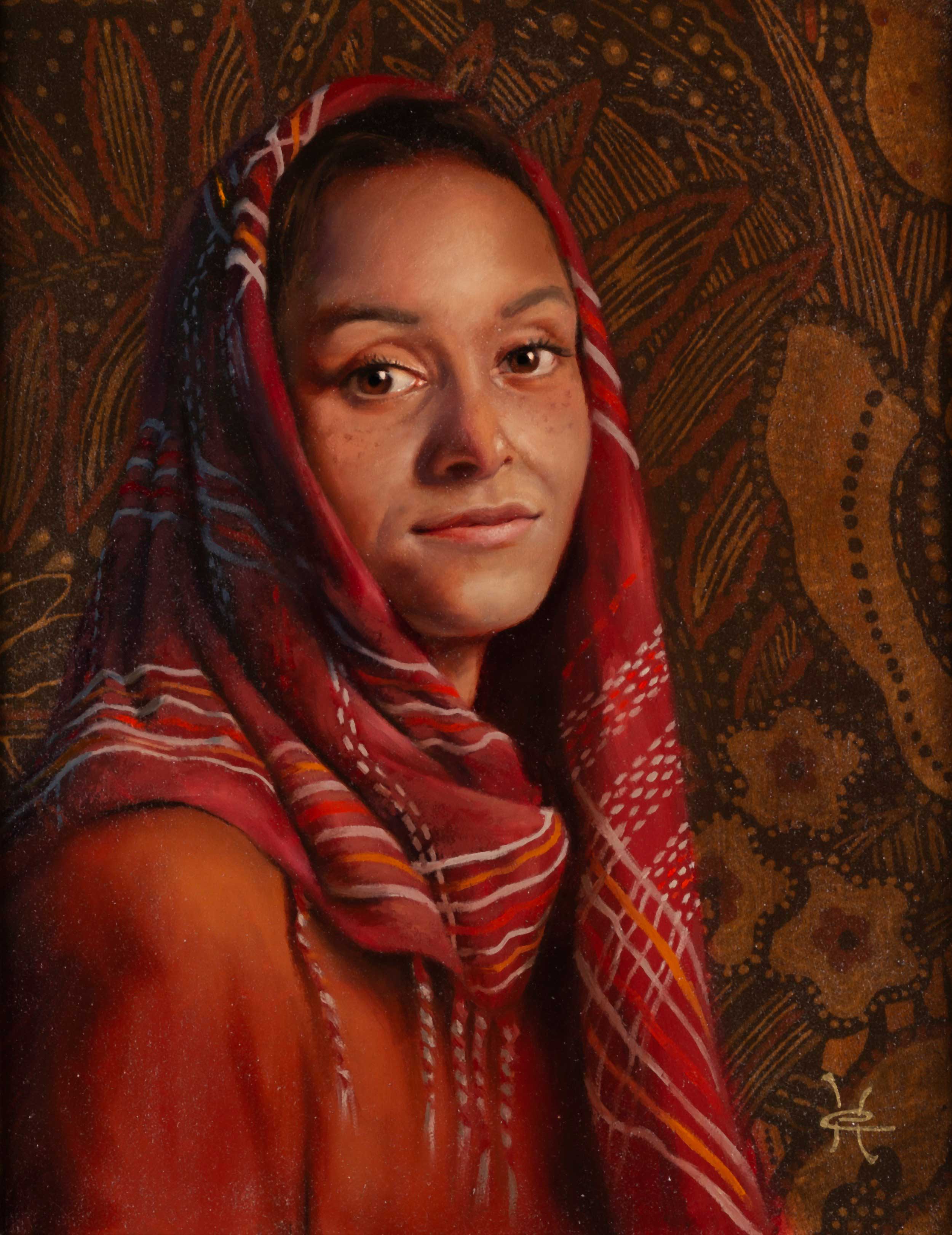
Ruth Shady
 Peru
Peruanthropologist•archaeologist•university teacher
Also known as: Ruth Shady Solís, Ruth Martha Shady Solís
Birthday
December 29, 1946
Birth Sign
Sagittarius
Birthplace
Callao, Peru
Age
79 years old
Height
1.60 m (5 ft 3 in)
About
Ruth Martha Shady Solís is a Peruvian anthropologist and archaeologist who rewrote the timeline of the Americas. As the founder and director of the Caral-Supe Archaeological Project, she is the person who proved that civilization in the New World began five thousand years ago, not with the Inca or Maya but with the Sacred City of Caral on Peru's central coast. Her work pushed the origins of urban life in the Americas back by more than a millennium and forced a global rethink of how complex societies emerged in the Western Hemisphere.
Today, Shady remains an active field researcher and a towering figure in Peruvian science. She leads a large team of young archaeologists, publishes steadily, and continues to break new ground: in 2025 her project unveiled the 3,500-year-old city of Peñico, and in 2026 she presented a newly discovered astronomical center at Áspero. She is also a fierce advocate for heritage protection, having faced down squatters and land traffickers who threatened the very site she brought to light. For Peruvians, she is a national hero; for the wider world, she is the scholar who gave the Americas their oldest known civilization.
Early Life & Background
Ruth Shady grew up in Callao, a bustling port city on Peru's Pacific coast, in the years after World War II. The region was rich in pre-Columbian history, but in the mid-twentieth century the dominant academic narrative held that the Americas' first great civilizations appeared much later, with the Inca and the Maya. Shady was drawn to the deep past anyway, and she pursued that interest at the National University of San Marcos in Lima, one of the oldest universities in the Americas. There she earned her degree in anthropology and went on to doctoral studies focused on the prehistoric societies of the Supe Valley, a river basin north of Lima that would later make her famous.
Her early career was a grind of teaching, fieldwork, and institutional skepticism. In the 1970s and 1980s she investigated the Supe Valley, including the coastal site of Áspero, but funding was scarce and many colleagues dismissed the idea that complex societies could have existed in Peru before the Inca. She had to piece together support from small grants and her own savings. The breakthrough came in 1994, when surveys led her to the massive pyramidal structures of Caral, hidden under desert scrub. Even then, it took years of excavation and radiocarbon dating before she could present the evidence that would overturn established paradigms.
Career Growth
Shady's career turned on a single, monumental discovery. In 1994 she identified Caral as a large urban center, and by 2001 she had published findings that dated the site to roughly 3000 BCE, making it the oldest known civilization in the Americas. The announcement was a paradigm shift. Caral featured monumental pyramids, sunken plazas, irrigation canals, and no evidence of warfare, suggesting a society built on trade and religion rather than conquest. UNESCO later inscribed the Sacred City of Caral as a World Heritage Site, and Shady became its lifetime director.
Since then, she has expanded the project across the entire Supe Valley. Her team excavated the coastal fishing village of Áspero, uncovering rich burials and evidence of complex trade networks. In 2025 they announced the discovery of Peñico, a 3,500-year-old city that links the Caral civilization to the Amazon. In 2026, at the Raymi 2026 festival, Shady highlighted a newly found astronomical center at Áspero. She has also drawn modern lessons from ancient resilience, showing how Caral's people survived a 4,200-year-old drought in ways that speak to today's climate crisis. Through it all, she has faced serious threats: in 2021 squatters occupied the ruins and issued death threats, but she refused to leave, telling reporters she would stay until the end.
Career Timeline
Public Image & Style
In Peru, Ruth Shady is a national symbol of scientific perseverance. The media portrays her as a stoic, fearless pioneer who stood up to death threats and bureaucratic neglect to protect the country's heritage. She is often photographed in a wide-brimmed hat and fieldwork gear, a visual shorthand for the hands-on archaeologist. Internationally, she is celebrated as the scholar who gave the Americas their oldest known civilization, and she is a regular subject of features in outlets like National Geographic, BBC Travel, and Archaeology magazine. She has a dedicated following of archaeology enthusiasts and students who track her publications and lectures, though she maintains a low digital footprint compared to public figures in other fields.
Fame & Fandom (iFAMOUS Rankings)
Ruth Shady commands a following defined not by viral trends or ritualistic gatherings, but by the profound reverence of the scientific community and the national pride of Peru. Her supporters are students, colleagues, and citizens who view her work as a pillar of identity rather than entertainment; there is no formal moniker for this group, nor do they engage in fan campaigns or chart pushes typical of pop culture icons. Instead, their influence manifests through the preservation of history and the inspiration of future generations to pursue rigorous academic inquiry. While she lacks the sensationalized lore of celebrities, her career is built on verified moments of immense courage and discovery that resonate deeply with the public imagination. The narrative of her resilience against death threats in 2021 while defending Caral has become a modern legend of integrity, retold by journalists and historians alike as a reflection of the personal cost of protecting heritage. Recent discoveries regarding ancient climate warnings and newly unearthed desert cities continue to cement her status as a living authority on the origins of civilization. Despite her towering global reputation as the scholar who rewrote the timeline of the Americas, iFANN's Global Fame Engine has evaluated this person, but they do not currently hold a placement in the published rankings (Global Top 1,000 or a Top-100 scope list).
Interesting Facts and Legends
Caral reveals no signs of warfare, fortifications, or weapons, suggesting a peaceful society that thrived on trade and religion. Shady's team discovered bone flutes made from condor and pelican bones, some still playable after 5,000 years, proving the existence of complex music in the ancient Americas. In 2021, she became the target of death threats from squatters claiming the land, yet she refused to abandon the site. As a woman in a male-dominated field in the mid-20th century, she faced significant resistance before gaining acceptance. She is known for her sharp wit and once joked that her only marriage was to Caral. A widely told story of her legacy involves the discovery of an astronomical center at Aspero, which linked the coast and the Andes in unprecedented ways. Another iconic moment occurred when her team uncovered ancient murals warning residents of a mega-drought 4,200 years ago, drawing direct parallels between ancient survival strategies and modern climate crises. These findings have transformed her into a symbol of scientific perseverance, inspiring a new generation of archaeologists to explore the depths of Peru's past.
Notable Quotes
“Caral is not just a city; it is the beginning of our identity as a nation.”
“We must protect our heritage from those who would destroy it for profit.”
“The people of Caral understood that they had to live in harmony with nature, or they would perish.”
“I will stay until the end.”
Family & Personal Life
Ruth Shady has kept her family life intensely private. There are no public records of a spouse or children, and she has never discussed a partner in interviews. She is widely understood to be unmarried and childless, dedicating her life to her research and her students. In interviews, she has described her team and the Caral community as her family. She lives modestly in Lima, close to the university where she teaches, and spends much of her time in the field at Caral, which is about 200 kilometers north of the capital.
Notable Connections
Ruth Shady works closely with a team of young Peruvian archaeologists and anthropologists, many of whom she has mentored. She collaborates with officials from Peru's Ministry of Culture to secure funding and legal protection for Caral. Her frequent co-director on various expeditions is Alfonso Rosas, an archaeologist who has been part of the Caral project for years. She has also been a focal point for the IANAS Women for Science Program, representing Peru in that international network.
Relationships & Dating History
Ruth Shady has maintained a notably private personal life, and there are no credible public records of romantic relationships, marriages, or divorces. She is widely reported to be unmarried and childless, dedicating her life to her profession. As of 2026, she is single. Her primary commitment has been to her work, and she has spoken of the Caral project as her life's partner.
Salary, Net Worth In 2026
$250 Thousand
iFANN Editorial Team estimate
Ruth Shady's wealth reflects a life dedicated to public science rather than celebrity finance. Her income stems from her salary as a professor at the National University of San Marcos, government research grants, and occasional speaking fees. She has published books and articles that generate modest royalties. She does not appear to hold major real estate or business ventures, and she lives in a standard Lima home. Estimates of her net worth vary. Per iFANN's editorial analysis, as of 2026, her net worth is valued at around $250 Thousand. That figure includes her academic savings, retirement accounts, and any personal assets. It is a modest sum compared to entertainment figures, but her real legacy is the cultural capital she has built for Peru. The Caral site itself, which she helped protect and develop, is a major tourist attraction, though the revenue flows to the state, not to her personally.
Awards Won (3)
Ruth Shady has received numerous academic and humanitarian honors. She was awarded the Order of the Sun by the Peruvian government, and she has received honorary doctorates from several universities, including the National University of San Marcos. She has also been recognized by UNESCO for her work leading to the World Heritage inscription of Caral, and by the IANAS Women for Science Program as a focal point for Peru.
2001 · National honor
Contribution to Peruvian culture
2005 · Academic honor
National University of San Marcos
Known For
Sacred City of Caral
1994 · Discoverer and director
Peñico
2025 · Lead archaeologist
Áspero
ongoing · Principal investigator
Keywords
Sources
Quick Facts
- Profession
- anthropologist, archaeologist, university teacher
- Born
- December 29, 1946
- Birthplace
- Callao, Peru
- Gender
- Female
- Birth Sign
- Sagittarius
- Education
- National University of San Marcos
- Known for
- Discovery of Caral
- Net Worth
- $250 Thousand
Personal Details
- Full Name
- Ruth Martha Shady Solís
- Height
- 1.60 m (5 ft 3 in)
- Education
- National University of San Marcos (Anthropology)
Frequently Asked Questions
Who is Ruth Shady?
How old is Ruth Shady?
Did Ruth Shady discover Caral?
Is Ruth Shady married?
What is Ruth Shady's net worth in 2026?
Social Media
Similar People
Join the community
fans discussing