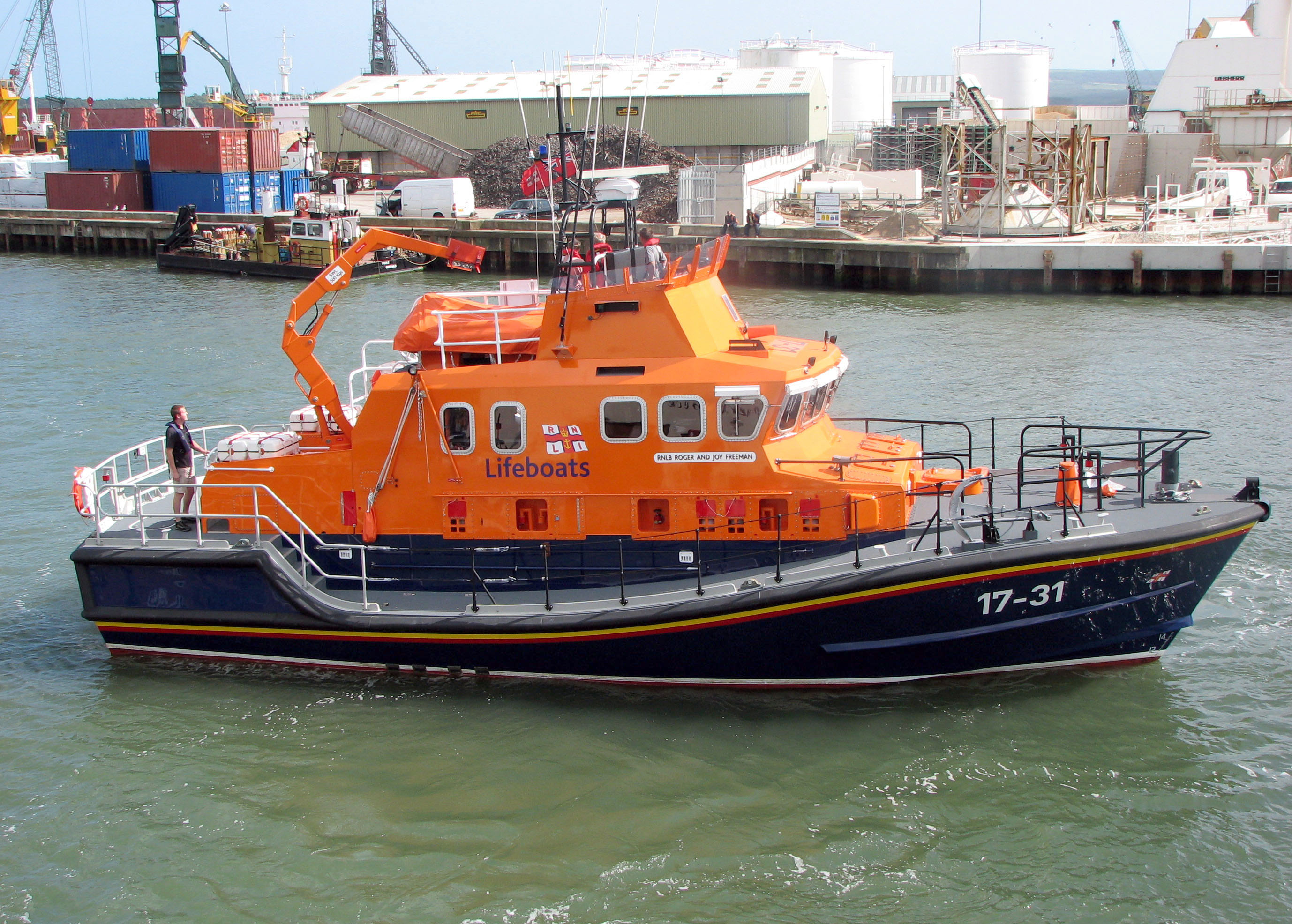
Royal National Lifeboat Institution
 United Kingdom
"Saving lives at sea since 1824"
About
The Royal National Lifeboat Institution (RNLI) is the largest lifeboat service in the UK and Ireland, covering the coasts of the United Kingdom, Ireland, the Channel Islands, and the Isle of Man, plus some inland waterways. It was founded in 1824 as the National Institution for the Preservation of Life from Shipwreck, and soon after became the Royal National Institution for the Preservation of Life from Shipwreck when King George IV agreed to become its patron. Royal patronage has continued ever since, with the current monarch serving as patron.
The RNLI is a charity, not a government agency, and relies on donations and legacies to fund its operations. Its volunteer crews provide a 24-hour search and rescue service around the clock, 365 days a year. The institution operates a fleet of over 400 lifeboats, from small inflatables to the mighty Severn class all-weather boats, and also runs a beach lifeguard service during the summer months. Over its two-century history, the RNLI has saved more than 140,000 lives, making it one of the most respected maritime rescue organizations in the world.
Mission
History
The RNLI was born from the wreck of the HMS Racehorse in 1822, which claimed 200 lives. That tragedy prompted Sir William Hillary to propose a national lifeboat service. On March 4, 1824, the National Institution for the Preservation of Life from Shipwreck was founded, with King George IV as patron, making it 'Royal' from the start. The early years were hard, with funding shortages and occasional public indifference, but the service slowly grew, adding stations around the coast.
By the mid-19th century, the RNLI had introduced self-righting lifeboats, and in 1854 it became the Royal National Lifeboat Institution. The 20th century brought motorized lifeboats, radar, and the first all-weather boats. In 2001, the RNLI launched its beach lifeguard service, expanding its reach from rescue at sea to prevention on the sand. The organization has weathered wars, storms, and political shifts, but its core mission has never wavered.
Subdivisions
Lifeboat Search and Rescue
Core service with volunteer crews stationed around the coasts, ready to launch at any time.
Beach Lifeguard Service
Seasonal lifeguards patrolling beaches during summer, celebrating 25 years in 2026.
Water Safety Education
Programs teaching water safety to reduce drownings and promote safe practices.
International Programs
Supporting lifesaving initiatives beyond UK and Ireland, sharing expertise and resources.
Notable People
Neil Humphrey
Volunteer Lifeboat Crew · 2020s
Saved seven lives since joining the RNLI
King George IV
Patron · 1824-1830
First royal patron, granting 'Royal' status to the institution
Milestones
1824
Founded as the National Institution for the Preservation of Life from Shipwreck
1824
King George IV becomes patron, granting 'Royal' status
2001
Launched beach lifeguard service
2024
Celebrated 200 years of lifesaving, with garden party at Buckingham Palace
2026
Commemorated 25 years of lifeguard service
Sources
Organization Info
- Founded
- March 4, 1824
- Headquarters
- Poole, Dorset, England
- Country
- United Kingdom
- Patron
- The Monarch (Patron)
- Type
- Other
- Employees
- 2103
- Lives Saved
- 140,000+
- Fleet Size
- Over 400 lifeboats
Financials
- Revenue
- $0.2 billion
- Employees
- 2103
Official Website
rnli.org/
Join the community
fans discussing