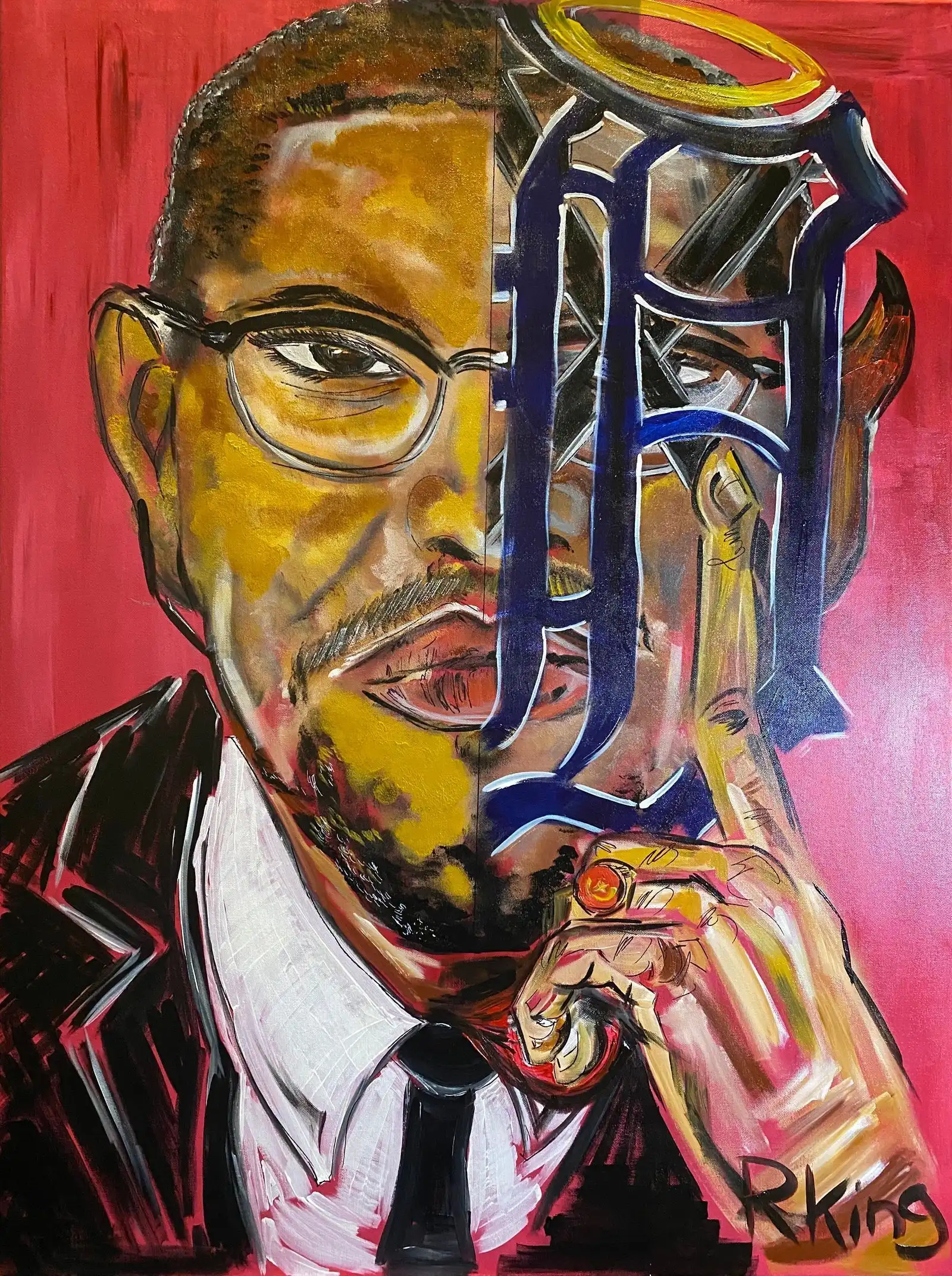
Rodney King
Birthday
April 2, 1965
Birth Sign
Aries
Birthplace
Sacramento, California
Age
Died at 47
Height
5 ft 11 in (180 cm)
About
Rodney Glen King was an African American man whose life became inextricably linked to the history of civil rights and police brutality in the United States. Born in Sacramento, California, he worked as a taxi driver and construction worker before becoming a global symbol of racial injustice following his brutal beating by Los Angeles Police Department officers on March 3, 1991. The incident was captured on video by bystander George Holliday, showing King being struck more than 50 times with batons while lying on the ground. Although King survived the assault, the subsequent acquittal of three of the four officers involved in state court sparked the Los Angeles Riots of 1992, one of the most destructive civil disturbances in U.S. history.
King emerged from the ordeal as a voice for non-violence and reconciliation. He appeared on television during the riots to urge calm, delivering a message that would become iconic in modern discourse. His life after the beating was defined by activism, speaking engagements, and writing. He published an autobiography detailing his spiritual journey and views on race relations. King remained a prominent figure in discussions about police reform until his death in 2012, leaving behind a legacy that continues to influence conversations about justice and equality.
Early Life & Background
Rodney Glen King was born on April 2, 1965, in Sacramento, California, into a working-class family. His father worked as a mechanic while his mother found employment in a factory. King's childhood was marked by financial instability and poverty, challenges that shaped his early experiences growing up as a Black man in America during the 1970s and 1980s. He did not complete his formal education, dropping out of high school to navigate the workforce at a young age.
Before the events that would make him famous, King worked various jobs to support himself and his family. He spent time working as a taxi driver and later as a construction worker. These roles kept him grounded in the everyday struggles of many Americans during that era. While he had been arrested for traffic violations prior to the 1991 incident, he had no record of violent crimes. His life moved quietly through these years until the fateful night on Interstate 210 changed everything.
The period leading up to March 1991 was characterized by ordinary work and daily survival rather than public attention. King lived a relatively private life, focused on providing for those around him. It was during this time that he developed the faith and resilience that would later define his public persona. The world knew him only as a local resident until the video footage of his arrest and beating circulated globally, transforming his personal tragedy into a national crisis.
Career Growth
The turning point in Rodney King's life occurred on March 3, 1991, when he was stopped by LAPD officers following a high-speed chase. The subsequent beating was filmed by George Holliday and broadcast worldwide, instantly making King a central figure in the national conversation on police conduct. In the months following the incident, King became a spokesperson for peace during the Los Angeles Riots of 1992, appearing on CNN to plead for unity with his now-famous words.
In 1994, King secured a $3.8 million settlement from the City of Los Angeles in a civil lawsuit regarding the beating. This financial award provided some stability but also highlighted the systemic issues he fought against. That same year, he published his autobiography titled The Big Picture, which detailed his life before the incident, his spiritual transformation, and his perspective on race relations in America.
Throughout the late 1990s and into the 2000s, King continued to speak at schools, churches, and community organizations across the country. He worked as a motivational speaker, advocating for police reform and racial harmony. His career was not one of entertainment or sports but of advocacy and testimony. He used his platform to educate others about the realities of police brutality and the need for systemic change, maintaining his role as a public figure dedicated to justice until his death in 2012.
Career Timeline
Public Image & Style
King's public image was that of a humble, religious man seeking justice and understanding. He was widely perceived as a victim of circumstance who rose above his trauma to advocate for peace. His demeanor during interviews and public appearances was calm and measured, contrasting sharply with the violence he had endured. Media outlets often described him as a symbol of hope and reconciliation, focusing on his plea for unity rather than the anger that fueled the riots.
Fame & Fandom (iFAMOUS Rankings)
iFANN has not yet collected fame data for this person. As of the October 2026 evaluation, he is not featured on the September 2026 iFAMOUS Rankings flagship list.
Rodney King does not have a traditional fandom in the sense of pop culture enthusiasts. Instead, his legacy is carried by activists, scholars, and community members who study his case. Annual vigils are held on the anniversary of his beating and the subsequent riots, where communities gather to discuss police reform and racial justice. The phrase "Can we all just get along?" remains a cultural touchstone, often invoked in political and social discourse to call for civility and mutual respect.
Interesting Facts and Legends
King was a devout Christian who found solace in his faith throughout his ordeal and the years that followed. The video footage of his beating was shot by George Holliday, a resident of Panorama City, who sent the tape to KTLA after witnessing the event from his balcony. King's name became synonymous with the concept of video evidence in legal cases involving police conduct, often cited when discussing the importance of body cameras and civilian recording devices. He received a $3.8 million civil settlement in 1994, which was a significant sum at the time and helped support his family after the incident.
Notable Quotes
“Can we all just get along?”
“I didn't want to die. I just wanted to go home.”
“We need to understand each other better.”
Family & Personal Life
Rodney King was a father to multiple children, though he kept the identities of his partners and offspring private to protect their safety and privacy. Unlike many public figures, he did not seek media attention for his family life, preferring to keep his personal relationships out of the spotlight. He maintained close ties with his extended family and the broader community in Southern California. His parents raised him in a working-class household in Sacramento, instilling values of hard work and resilience that stayed with him throughout his life.
Notable Connections
George Holliday, Laurence Powell, Timothy Wind, Theodore Briseno, Stacey Koon, Johnnie Cochran
Relationships & Dating History
Rodney King's personal life remained largely private throughout his lifetime. Unlike celebrities who maintain public dating histories, King was not known for high-profile romances or marriages that were widely documented in media archives. Detailed public records of his romantic relationships are scarce, as he prioritized protecting the privacy of his loved ones. Reports confirm that he was a father to multiple children, though the names and specific details of his partners remain unpublicized.
There is no evidence of a long-term public marriage or engagement that was widely reported in credible sources prior to his death. Following the riots, his relationship with the public was defined by his role as an activist and survivor rather than a romantic figure. As of his death in 2012, he was not publicly recorded as being married or in a committed relationship at the time of his passing, though he maintained close ties with his family and community. His life was consumed by the aftermath of the beating and his subsequent activism, leaving little room for public documentation of his personal romantic life.
Death & Aftermath
Died
June 17, 2012 (aged 47)
Death Place
Rialto, California
Cause of Death
Accidental drowning
Rodney King died on June 17, 2012, at the age of 47 in Rialto, California. The Los Angeles County Coroner ruled his death accidental, citing drowning as the cause. Reports indicate that King had consumed alcohol prior to entering a swimming pool at his home and likely suffered a seizure or cardiac event that left him unable to swim. There was no evidence of foul play, and the investigation concluded that his death was an unfortunate accident resulting from a medical episode while intoxicated.
The news of his passing drew immediate tributes from civil rights leaders, politicians, and community members who viewed him as a symbol of resilience and a catalyst for national dialogue on police brutality. The NAACP and other organizations held memorial services to honor his life and the impact he had on discussions regarding racial justice. His funeral took place in Southern California, attended by family, friends, and local leaders who remembered his efforts to promote peace and understanding.
Following his death, there were no major posthumous book releases or commercial ventures managed by his estate. However, his legacy has continued to be referenced in educational settings and legal discussions concerning use-of-force policies. His story remains a pivotal case study in American history, frequently cited in retrospectives about the state of race relations and law enforcement accountability in the United States. The estate, managed by his family, maintains a low profile with no public records of significant business activities or endorsement deals continuing after 2012.
Net Worth (Estate Value)
$3 Million
iFANN Editorial Team estimate
iFANN currently estimates Rodney King's estate value at approximately $3 million as of 2026. This figure is derived primarily from the $3.8 million civil settlement he received from the City of Los Angeles in 1994, adjusted for inflation and standard estate management over the decades. The settlement was a substantial sum for the time, intended to compensate for the severe physical and emotional trauma he endured.
Since his death in 2012, there have been no active income streams from endorsements, business ventures, or new publications managed by his estate. The estate is managed by his family, who have kept a low profile and avoided public commercialization of his image. Conservative calculations suggest that after accounting for taxes, living expenses, and investment growth, the remaining assets align with the estimated net worth.
Awards & Accolades
View 4 records, honours and achievementsKnown For
Rodney King Beating
1991 · Victim
Los Angeles Riots
1992 · Public Figure
Keywords
Sources
Quick Facts
- Profession
- author, activist, taxi driver
- Born
- April 2, 1965
- Birthplace
- Sacramento, California
- Died
- June 17, 2012
- Death Place
- Rialto, California
- Gender
- Male
- Birth Sign
- Aries
Personal Details
- Full Name
- Rodney Glen King
- Height
- 5 ft 11 in (180 cm)
- Children
- Father of multiple children
- Education
- Dropped out of high school
Frequently Asked Questions
What happened to Rodney King?
How much money did Rodney King actually get?
What were Rodney King's famous words?
How did Rodney King die?
Did Rodney King have kids?
Similar People
Join the community
fans discussing