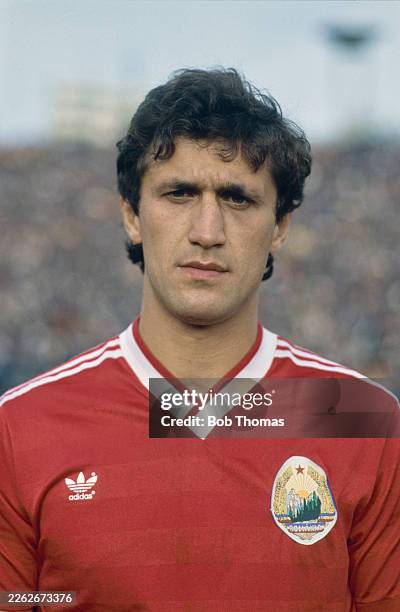
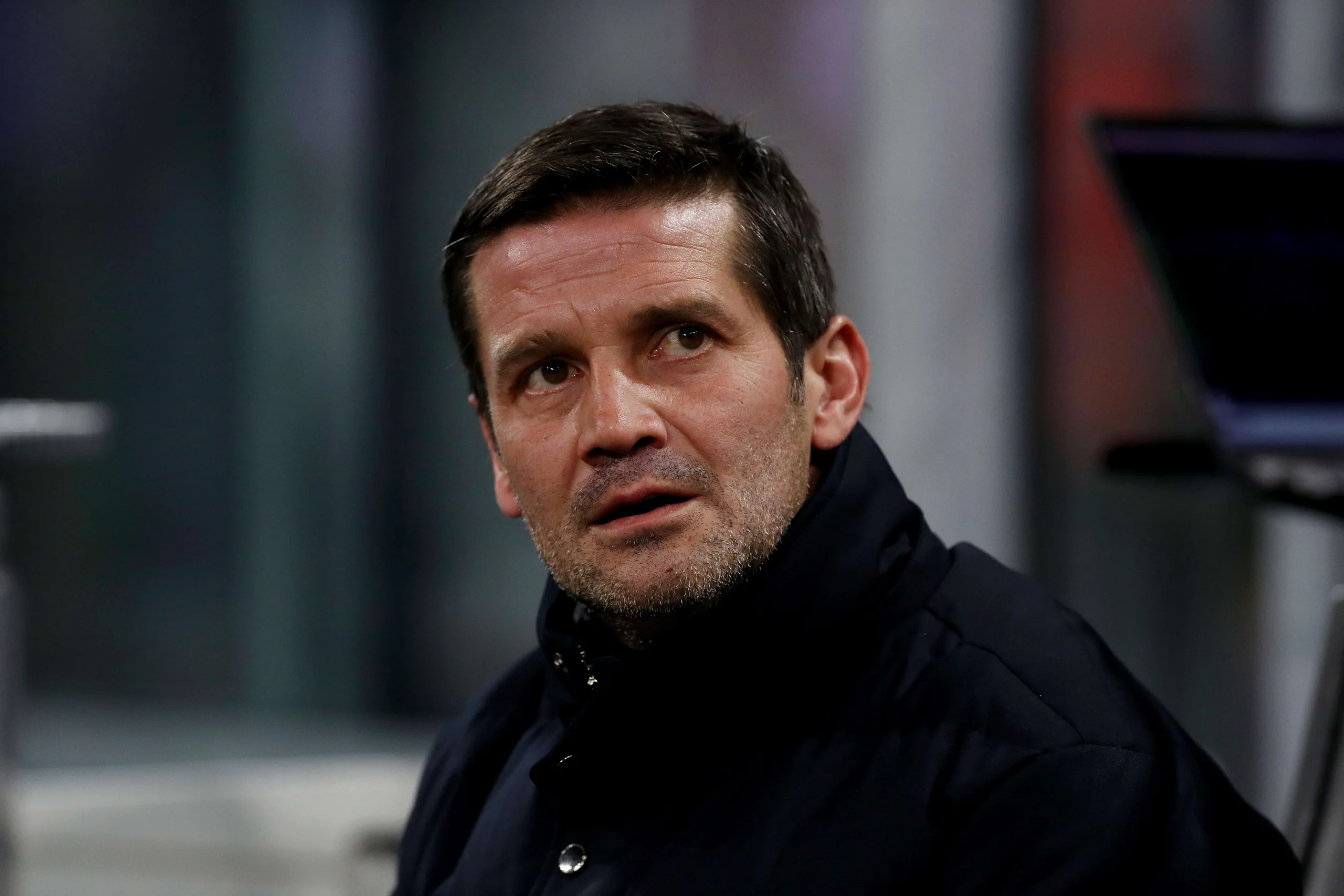
Rodion Cămătaru
 Romania
Also known as: Rodion Gorun Cămătaru, Rodion Doru Gorun Cămătaru
Birthday
June 22, 1958
Birth Sign
Cancer
Birthplace
Strehaia, Mehedinți County, Romania
Age
68 years old
Height
6 ft 3 in (190 cm)
About
Rodion Gorun Cămătaru is a Romanian former professional footballer, widely regarded as one of the most prolific strikers his country has ever produced. Standing 190 cm tall, he combined imposing physical strength with surprising pace, making him a nightmare for defenders throughout the 1970s and 1980s. His name is forever linked with the legendary Universitatea Craiova side known as "Craiova Maxima," and with Dinamo București, where he scored an incredible 44 league goals in a single season.
That 1986–87 campaign earned him the European Golden Shoe, though the achievement sparked lasting controversy because 20 of those goals came in his final six matches. Internationally, Cămătaru earned 74 caps for Romania and scored 21 goals, representing his nation at Euro 1984 and the 1990 World Cup. After retiring, he moved into business and has remained a respected voice in Romanian football, appearing regularly as a commentator and pundit.
Early Life & Background
Rodion Cămătaru grew up in Strehaia, a small town in Mehedinți County, in the southwestern corner of Romania. Football was his escape, and he honed his skills with the local club Progresul Strehaia, where his raw physical gifts quickly stood out. At 190 cm, he was taller than most of his peers, but he moved with a grace that belied his size, and his ability to hold up the ball and finish with either foot caught the eye of scouts early on.
In 1974, at just 16, he made the leap to Universitatea Craiova, one of the country's top clubs. It was a bold move for a teenager, but Cămătaru adapted quickly, learning from seasoned professionals and developing the instincts that would define his career. His early years at Craiova were about growth and patience, as he worked his way into a team that was about to embark on its golden era. The coaching staff recognized his potential as a target man, and he spent countless hours refining his heading and positioning, traits that would later make him a feared finisher.
By the late 1970s, he had established himself in the first team, and his progress was rewarded with his international debut in 1978. Those formative years shaped not just his game but his mentality: a relentless drive to score, combined with a quiet professionalism that would carry him through the controversies of his later career.
Career Growth
Rodion Cămătaru's breakthrough came with Universitatea Craiova's golden period in the late 1970s and early 1980s. He was instrumental in the club's two league titles in 1980 and 1981, and four Cupa României triumphs in 1977, 1978, 1981, and 1983. During his 12 years at the club, he scored over 120 goals, becoming the face of "Craiova Maxima" and earning a reputation as one of the most clinical finishers in Romanian football.
In 1986, he moved to Dinamo București, where he delivered the most extraordinary season of his career. The 1986–87 campaign saw him net 44 league goals, including an astonishing 20 in his final six matches, to claim the European Golden Shoe. The feat immediately raised eyebrows, and the legitimacy of the award has been debated ever since. Critics pointed to the suspicious scoring burst, and the affair was later described as "the Golden Shoe circus" that "broke European football." No formal wrongdoing was ever proven, but the controversy shadowed his achievement.
On the international stage, Cămătaru was a regular for Romania from 1978 to 1990, earning 74 caps and scoring 21 goals. He featured at Euro 1984 and the 1990 World Cup in Italy, where he played alongside a new generation of Romanian talent. After retiring in the early 1990s, he transitioned into business, and in 2017 he was appointed to the Romanian Football Federation's Technical Commission, a role that recognized his enduring influence on the game.
Career Timeline
Public Image & Style
Rodion Cămătaru is remembered as the archetypal target-man forward of Romanian football's golden era. Media portrayals consistently emphasize his goal-scoring instinct and physical prowess, painting him as a clinical, powerful finisher. He is affectionately associated with "Craiova Maxima," the legendary Universitatea Craiova side of the 1980s, and his name still evokes reverence among supporters of both Craiova and Dinamo București.
In Romanian football culture, he is treated as one of the all-time greats. Younger generations of strikers are still compared to him stylistically, as seen in April 2026 when a young forward was described as having a playing style reminiscent of Cămătaru. He has no official fandom name, but his legacy lives on through the stories of his remarkable scoring feats and the enduring debate over his Golden Shoe.
His media presence in recent years has been that of a wise, sometimes blunt commentator, offering candid assessments of current players and clubs, which keeps him relevant in contemporary football discussions.
Fame & Fandom (iFAMOUS Rankings)
Rodion Cămătaru commands a legacy that transcends the boundaries of his playing era, resonating deeply within Romanian football culture while maintaining a steady presence in global sports history. His reputation as one of Europe's most prolific strikers ensures he remains a recognized figure among historians and enthusiasts who track the evolution of the game. According to the August 2026 evaluation by iFANN, Rodion Cămătaru is currently evaluated but does not hold a placement in the Global Top 1,000 or any specific scope list. This status reflects a stable historical footprint rather than a fluctuating viral trend, acknowledging his enduring impact without inflating his current commercial visibility. The fanbase surrounding Cămătaru operates with quiet reverence rather than organized fervor; no formal fandom name exists in the records, and there are no documented modern campaigns, street festivals, or charity drives dedicated solely to him. While supporters of Universitatea Craiova and Dinamo București celebrate his achievements, these groups do not identify themselves under a unified banner bearing his name. His influence persists through the collective memory of the Craiova Maxima era and the statistical anomaly of his 1987 Golden Shoe campaign, yet this admiration remains rooted in historical appreciation rather than active, contemporary mobilization.
Interesting Facts and Legends
Rodion Cămătaru performed a unique gesture during matches for Craiova Maxima in the 1980s, a ritual he later explained in a 2017 interview with Orange Sport that became a signature of his style and endeared him to fans. His 1987 European Golden Shoe win remains one of the most controversial individual awards in football history, as scoring 20 goals in just six league games created a narrative so anomalous it permanently tarnished the award's credibility that year. He was known not just for scoring but for his physical dominance, where a combination of size, strength, and pace made him unusual among Romanian forwards of his generation. His Wikipedia article exists in 18 languages, with the highest readership coming from English, Romanian, and Russian readers. A widely retold story from his career highlights his goal against England in a World Cup qualifier, which ended in a 1-1 draw and cemented his international standing. Another legendary moment involves his participation in the 1990 World Cup second-round match against Ireland, where his performance contributed to the high-stakes atmosphere of that tournament. These events serve as the primary mythological anchors for his reputation, blending verified statistics with the folklore of a player who could single-handedly alter the momentum of a season.
Notable Quotes
“Dinamo e slăbită.”
“I always gave everything for the shirt.”
Family & Personal Life
Details about Rodion Cămătaru's family are scarce, as he has kept his private life largely out of the public eye. He was born in Strehaia to parents whose names are not widely documented. No public records mention siblings, and his own family life, including any spouse or children, has not been confirmed in reliable sources. Romanian football media of his era focused strictly on his on-field exploits, leaving his personal affairs largely unknown.
What is clear is that his upbringing in a modest town shaped his grounded character. He has spoken warmly about his roots and the support he received from his local community when he first joined Universitatea Craiova. As of 2026, he remains a private figure, and no information about his current household has been made public.
Notable Connections
Rodion Cămătaru's career intersects with several notable figures in Romanian football. Mircea Lucescu, the legendary coach, promoted many young players and his name often comes up in discussions of Cămătaru's era. Ionel Dănciulescu, a former Dinamo international, publicly named Cămătaru the greatest Romanian striker of all time in November 2025. Cămătaru has also commented on current players like Daniel Bîrligea of CFR Cluj, and he worked alongside FRF president Răzvan Burleanu during his time on the Technical Commission.
Relationships & Dating History
Rodion Cămătaru has kept his romantic life almost entirely out of the public eye. Throughout his career, Romanian football media focused on his on-field exploits, and no credible sources document any dating history, marriages, or children. He has never been publicly linked to a partner, and as of 2026, his relationship status remains unknown. This privacy is consistent with the era in which he played, when athletes' personal lives were rarely scrutinized. He is not known to be married, divorced, or widowed, and no public statements about relationships have been made.
Salary, Net Worth In 2026
Publicly available information on Rodion Cămătaru's net worth is virtually nonexistent. As a footballer of the 1970s and 1980s, his career earnings were modest compared to the astronomical sums of the modern game. Romanian league salaries during his playing days were far below Western European standards, and he never played abroad.
After retiring, Cămătaru moved into business, though the specifics of his ventures are not well documented. He has also earned income through occasional media appearances and punditry roles. Given the lack of reliable financial data. He is not known to have made significant investments or endorsements that would be publicly recorded.
As of 2026, his financial status remains private, and he appears to live a comfortable but low-key life in Romania.
Awards Won (2)
Rodion Cămătaru's most significant individual honor is the European Golden Shoe, which he won in 1987 after scoring 44 league goals for Dinamo București. He also won the Romanian league top scorer title in that same season. Domestically, he claimed two Liga I titles and four Cupa României trophies with Universitatea Craiova. No other major international awards are recorded.
1987 · Top European League Goalscorer
Dinamo București
1987 · Top Scorer
Dinamo București
Known For
European Golden Shoe
1987 · Winner with 44 league goals
Universitatea Craiova
1974–1986 · Forward, 120+ goals, 2 league titles, 4 cups
Dinamo București
1986–1989 · Forward, record-breaking season
Romania national team
1978–1990 · Forward, 74 caps, 21 goals, Euro 1984 and World Cup 1990
Keywords
Sources
Quick Facts
- Profession
- association football player
- Born
- June 22, 1958
- Birthplace
- Strehaia, Mehedinți County, Romania
- Height
- 6 ft 3 in (190 cm)
- Position
- Centre-forward
- International Caps
- 74
- International Goals
- 21
Personal Details
- Full Name
- Rodion Gorun Cămătaru
- Height
- 6 ft 3 in (190 cm)
Frequently Asked Questions
How many goals did Rodion Cămătaru score in his career?
Was Rodion Cămătaru's Golden Shoe legitimate?
Is Rodion Cămătaru still alive?
How tall is Rodion Cămătaru?
What teams did Rodion Cămătaru play for?
Join the community
fans discussing