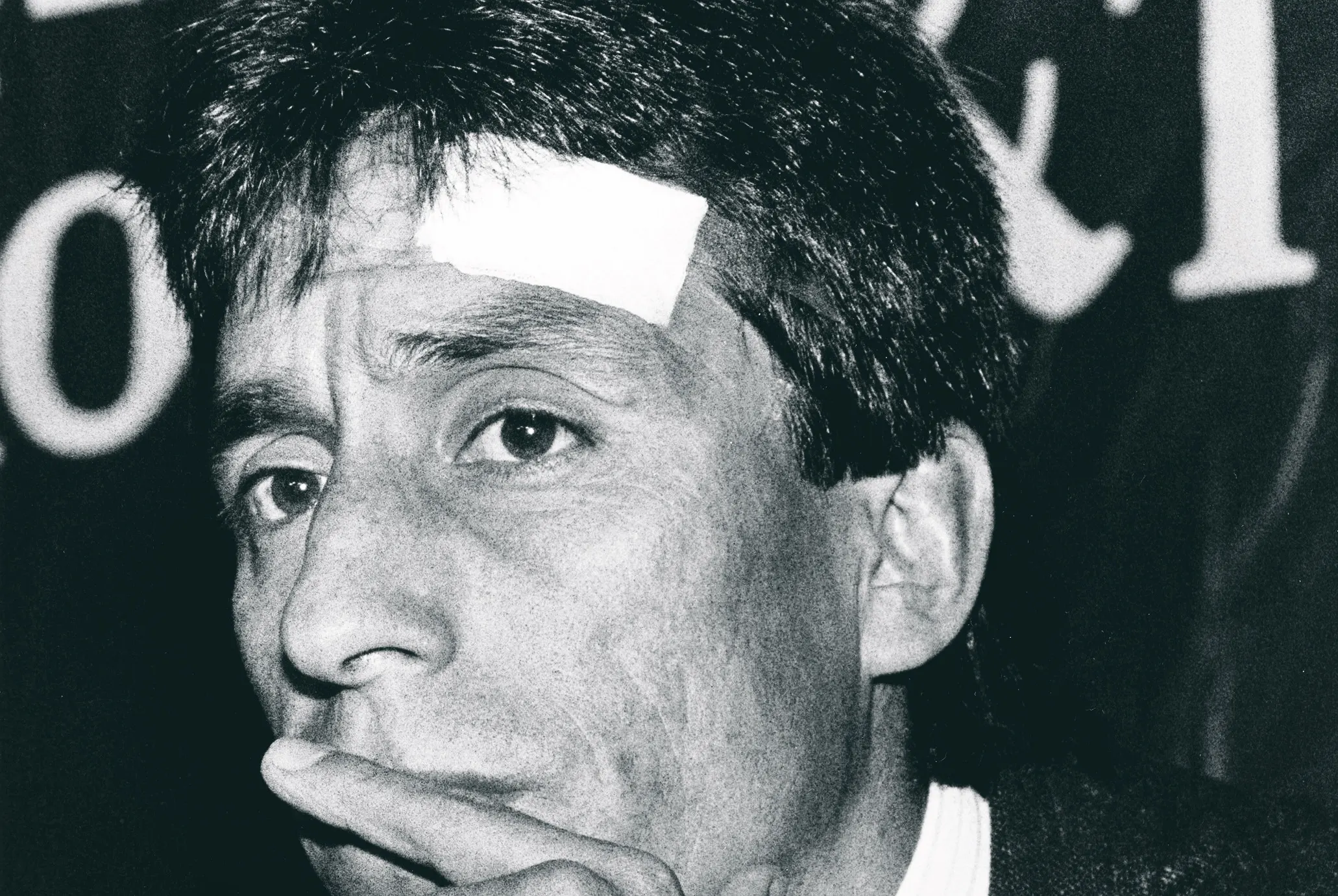
Roberto Rojas
 Chile
Chileassociation football player•association football coach•beach soccer player
Also known as: El Cóndor
Birthday
August 8, 1957
Birth Sign
Leo
Birthplace
Santiago, Chile
Age
69 years old
Height
6 ft 1 in (185 cm)
About
Roberto Antonio Rojas Saavedra, born on August 8, 1957, in Santiago, Chile, is a retired Chilean footballer who played as a goalkeeper. Nicknamed "El Cóndor" for his commanding presence and long reach, Rojas built a solid club career before becoming the central figure in one of football's most notorious scandals. Today, he is remembered as much for that incident as for his skill between the posts.
Rojas was a mainstay for the Chile national team throughout the 1980s, earning over 40 caps, reaching the 1979 Copa América final, and playing in the 1982 World Cup. At club level, he won league titles with Colo-Colo and São Paulo, among others. His career came to an abrupt halt in 1989 when he faked an injury during a World Cup qualifier against Brazil, cutting himself with a razor blade to get the match annulled. The deception was exposed, leading to a lifetime ban that was lifted in 2001.
Since retiring, Rojas has worked as a goalkeeping coach and briefly played beach soccer for Chile. He remains a cautionary figure in football history, but his earlier achievements and his later efforts to rebuild his life show a more complex story.
Early Life & Background
Roberto Rojas grew up in Santiago, Chile, in a working-class family. From a young age, he was drawn to football, often playing in the streets with friends. His height and natural agility made him a natural fit for goalkeeping, and he joined the youth ranks of Colo-Colo, one of Chile's most prestigious clubs.
Rojas made his professional debut for Colo-Colo in the early 1970s, quickly impressing with his shot-stopping and ability to command his area. He helped the club win multiple Chilean Primera División titles, becoming a fan favorite known for his dramatic saves and confident presence. His performances caught the eye of scouts from abroad, and in the early 1980s he moved to Brazil, a major step up in competition.
Before his move, Rojas had also begun his international career, earning his first caps for Chile in the late 1970s. He was part of the squad that reached the 1979 Copa América final, a sign of his growing reputation. These early years laid the foundation for a career that would reach great heights, though it would also take a dramatic turn.
Career Growth
Rojas's move to Brazil opened new opportunities. He played for Internacional and later São Paulo, where he won the Campeonato Brasileiro Série A in 1986, a highlight of his club career. He also had stints in Argentina and Uruguay, showing his adaptability across South American leagues.
On the international stage, Rojas was a regular for Chile throughout the 1980s. He was the captain and leader of the defense, and his performances in the 1982 World Cup in Spain, though the team did not advance past the group stage, were solid.
The defining moment came on September 3, 1989, during a World Cup qualifier against Brazil at the Maracanã. With Chile trailing 1-0, Rojas fell to the ground clutching his face, claiming a firework thrown from the crowd had hit him. The match was abandoned. However, photographs and video evidence soon revealed that Rojas had used a razor blade hidden in his glove to cut himself. The plot was designed to get the match annulled and Chile awarded a win or replay.
FIFA banned Rojas for life, and the Chilean Football Federation was banned from the 1994 World Cup qualifiers. The incident became known as the "Maracanazo" or the "Rojas Incident." In 2001, FIFA lifted the ban, but Rojas never returned to professional club football. He later worked as a goalkeeping coach and played beach soccer, representing Chile in the 2004 Beach Soccer World Cup.
Career Timeline
Public Image & Style
Roberto Rojas's public image is forever tied to the 1989 incident. He is often cited in lists of sports scandals rather than among the great goalkeepers of his era. The nickname "El Cóndor" reflected his commanding presence, but the self-inflicted injury overshadowed his earlier achievements.
In Chile, opinions about him are mixed. Some remember his solid career, while others view him as a symbol of a shameful episode. Internationally, he is a cautionary tale about the lengths athletes will go to for victory. Despite this, Rojas has shown resilience, working quietly as a coach and even returning to competitive beach soccer. He has spoken candidly in interviews, acknowledging his mistake and its consequences.
Fame & Fandom (iFAMOUS Rankings)
Roberto Rojas occupies a singular, albeit dark, space in football history where infamy eclipses athletic achievement. The Chilean goalkeeper is not celebrated by a dedicated fanbase with chants or campaigns; instead, he commands the attention of those studying sports scandals and the darker chapters of international competition. His story is defined entirely by the 1989 World Cup Qualification match against Brazil, an event that transformed him from a respected "El Cóndor" into a symbol of deception. While no organized fandom exists to champion his legacy or organize tribute events, the narrative surrounding his self-inflicted injury remains a viral piece of folklore, retold in documentaries and podcasts as a cautionary tale about national pride gone wrong. The cultural mythology here is not one of adoration but of scrutiny, where every mention of his name triggers a recollection of the razor blade incident rather than his saves between the posts. Despite this enduring notoriety, iFANN's Global Fame Engine has evaluated Roberto Rojas and determined that he currently holds no placement in the published rankings, including the Global Top 1,000 or any scope-specific lists. This absence of a rank reflects his status as a historical footnote rather than a current global celebrity. He is not listed among the world's most famous people, nor does he appear on any top-tier fame charts at this time.
Interesting Facts and Legends
Rojas's razor blade was reportedly hidden in the cuff of his glove, a chilling detail that shocked investigators when revealed during the inquiry. After his ban was lifted, he adapted to beach soccer, showcasing his enduring passion for the sport despite the years lost to controversy. The term "Maracanazo" originally referred to Brazil's shock loss to Uruguay in the 1950 World Cup final; in Chile, it now also evokes the 1989 self-inflicted injury. Rojas was known for his imposing stature, standing 1.85 meters tall, which contributed to his nickname "El Cóndor." He has maintained a low profile since retiring, rarely granting interviews except to reflect on the scandal. The defining legend of his career centers on the night of November 23, 1989, when he collapsed on the pitch claiming to be hit by a flare. It was later confirmed he had cut his own forehead with a razor blade and smeared it with fake blood to force the abandonment of the match. This single act led to a lifetime ban for Rojas and disqualified the Chilean team from the 1990 World Cup, cementing his place in history as the architect of one of football's greatest scandals.
Notable Quotes
“I cut myself with a razor... I cut my own dignity.”
“It was a mistake that cost me everything.”
Family & Personal Life
Details about Rojas's family life are scarce. He was born in Santiago and grew up there, but little is publicly known about his parents or siblings. He has kept his personal life private, especially after the 1989 scandal brought intense media scrutiny.
As of 2026, there are no confirmed reports of a spouse or children. Rojas appears to have deliberately kept his family out of the spotlight, focusing on his work as a coach and occasional media appearances.
Notable Connections
Relationships & Dating History
Public records regarding Roberto Rojas's romantic history are virtually nonexistent. He has kept his personal life extremely private, especially after the 1989 scandal brought intense media attention.
There are no confirmed reports of marriages, long-term partners, or children. As of 2026, his relationship status is unknown, and he appears to have remained single or kept any partnerships out of the public eye.
Salary, Net Worth In 2026
$1 Million
iFANN Editorial Team estimate
Roberto Rojas's net worth is not publicly disclosed, but estimates suggest it is modest. As of 2026, his income likely comes from coaching salaries, pension funds, and occasional speaking engagements or media appearances. After the 1989 scandal, Rojas lost his playing career and the substantial earnings that came with it. He worked in lower-level coaching roles for years, and his brief beach soccer stint was not financially lucrative. There are no reports of major business ventures or endorsements. Per iFANN's editorial analysis, his net worth is estimated at around $1 Million, accumulated through years of coaching and prudent living. This figure is speculative but reflects the limited financial opportunities available to him after the ban.
Awards & Accolades
Known For
1989 Maracanazo Incident
1989 · Goalkeeper
Chile National Team
1979-1989 · Goalkeeper
Keywords
Sources
Quick Facts
- Profession
- association football player, association football coach, beach soccer player
- Born
- August 8, 1957
- Birthplace
- Santiago, Chile
- Gender
- Male
- Birth Sign
- Leo
- Height
- 6 ft 1 in (185 cm)
Personal Details
- Full Name
- Roberto Antonio Rojas Saavedra
- Height
- 6 ft 1 in (185 cm)
Frequently Asked Questions
What did Roberto Rojas do in 1989?
Is Roberto Rojas still alive?
Did Roberto Rojas ever play again after his ban?
Why was Roberto Rojas banned?
What is Roberto Rojas's nickname?
Similar People
Join the community
fans discussing