Robert Wangila
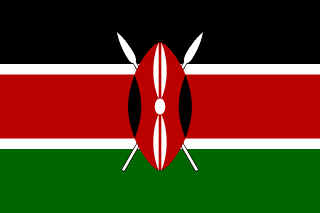 Kenya
Also known as: Robert Napunyi Wangila
Birthday
September 3, 1966
Birth Sign
Virgo
Birthplace
Nairobi, Kenya
Age
Died at 27
Height
5 ft 9 in (175 cm)
About
Robert Napunyi Wangila was a Kenyan professional boxer who achieved historic status as the first and only athlete from Kenya to win an Olympic gold medal outside of track and field. His victory in the welterweight division at the 1988 Summer Olympics in Seoul remains a singular achievement in African sports history. Wangila was widely cited as the only boxer from Sub-Saharan Africa, excluding South Africa, to win an Olympic gold medal in boxing during that era. He died at age 27 in Las Vegas following a professional boxing match.
His legacy is defined by this unique distinction and the tragic circumstances of his death. While he never secured a major world championship belt in his professional career, his amateur triumph cemented his place as a national icon. The story of his life continues to resonate in Kenya, serving as both a celebration of sporting excellence and a somber reminder of the dangers inherent in the sport.
Early Life & Background
Robert Wangila was born Robert Napunyi Wangila on September 3, 1966, in Nairobi, Kenya. He grew up in a modest environment where physical prowess became his primary avenue for advancement. Before his international breakthrough, Wangila trained rigorously in amateur boxing, a sport deeply ingrained in the Kenyan sporting culture. His early life was characterized by discipline and a quiet demeanor; he was known as a fighter who spoke softly but possessed a devastating punching power.
While specific details about his childhood schooling are less documented than his athletic feats, his trajectory from local Nairobi gyms to the global stage was rapid. He represented Kenya at the 1988 Seoul Olympics, where he navigated the welterweight division with impressive skill, defeating opponents en route to the final. His entry into the world of boxing began in his youth in Nairobi. Like many Kenyan athletes of his generation, he likely attended school while training in local clubs before dedicating himself fully to the sport. His "early interests" were almost exclusively focused on boxing, a pursuit that would define his identity.
Career Growth
At the 1988 Summer Olympics in Seoul, South Korea, Wangila won the gold medal in the welterweight division. This victory made him a national icon in Kenya and a historic figure globally. Following his Olympic gold, Wangila turned professional in 1989. He relocated to Las Vegas, Nevada, to train and fight under the guidance of American promoters.
Wangila compiled a professional record of 22 wins and 5 losses, with 15 of his victories coming by knockout. He fought primarily in Las Vegas and contested one minor title fight, though he never secured a major world championship belt. As his career progressed, Wangila faced a series of setbacks. He suffered multiple knockouts, leading to a decline in his ranking and confidence. By mid-1994, his record had deteriorated significantly compared to his peak amateur form.
On July 22, 1994, Wangila fought David Gonzales at the Aladdin Hotel in Las Vegas. The bout ended in a fifth-round knockout loss for Wangila. Immediately following the fight, he collapsed in his dressing room due to severe injuries sustained in the ring. He died two days later on July 24, 1994.
Career Timeline
Public Image & Style
Wangila is portrayed in media as a tragic hero and a national icon. He is remembered not just for his athletic prowess but for the untimely end to his life. The media narrative often shifts between celebrating his Olympic glory and mourning the preventable tragedy of his death. In recent years, the narrative has expanded to include themes of dignity, repatriation, and the responsibility of nations toward their athletes.
Fame & Fandom (iFAMOUS Rankings)
Robert Wangila commanded a specific, enduring resonance within Kenyan sports history and the global boxing community, though his footprint in contemporary global celebrity metrics remains distinct from living pop culture figures. The iFANN Global Fame Engine has evaluated this person, but they do not currently hold a placement in the published rankings (Global Top 1,000 or a Top-100 scope list). Only use a fandom name if the web research clearly confirms one; otherwise state that the fanbase has no formal name. While he lacks a formalized collective name for his admirers, the audience sustaining his legacy is the Kenyan public and the international boxing fraternity, who regard him as a national icon and a tragic figure rather than a modern influencer.
His presence is maintained through institutional memory and sporadic commemorative events rather than digital campaigns or active fan clubs. The primary ritual of this group involves the Robert Wangila Memorial Intercities Cup, held at the Uhuru Complex in Nairobi, where local teams compete in his honor. This tournament serves as the central gathering point for his admirers, functioning as both a sporting competition and an act of remembrance. In recent years, the narrative surrounding his fans has shifted toward advocacy regarding his posthumous rights, particularly following the intense public debate over his burial site that riveted the nation in August 2024. These engaged citizens feel a strong sense of ownership and stewardship over his memory, ensuring his story remains a subject of serious historical reflection rather than fleeting internet discourse.
Interesting Facts and Legends
Despite his devastating power, Wangila was described as a man who "spoke quietly," contrasting his gentle nature with his ferocious fighting style. His status as the only Kenyan non-track-and-field Olympic gold medalist is a point of immense national pride. He chose Las Vegas as his professional home base, a hub for boxing that offered high-level competition but also contributed to his exposure to the harsh realities of the pro circuit. His death came after suffering his fifth knockout loss, a statistic that underscores the rapid decline of his career in the final years.
The most significant recurring event honoring him is the Robert Wangila Memorial Intercities Cup, held annually at the Uhuru Complex in Nairobi. A defining chapter of his modern mythology involves the fierce legal and familial dispute over his burial location that erupted in August 2024, turning his final resting place into a matter of intense national debate.
Notable Quotes
“Tragedy of Olympian who spoke quietly and punched hard”
“Lessons for Kenyan boxers from Wangila's career, death in USA”
Family & Personal Life
Robert Wangila's personal life remained largely private throughout his short career. There is no publicly documented information regarding romantic relationships, marriages, or children in the available historical records. Unlike many modern celebrities, media coverage focused almost exclusively on his athletic achievements and tragic death. His legacy is carried by his family members, who have been involved in the recent disputes regarding his burial, but specific names of partners or children are not part of the public domain narrative.
Notable Connections
Relationships & Dating History
As a deceased individual whose life ended in 1994, Robert Wangila does not have a current dating status. There is no publicly documented information regarding romantic relationships, marriages, or children in the available historical records. Unlike many modern celebrities, Wangila's personal life was kept largely private, and media coverage focused almost exclusively on his athletic achievements and tragic death. Consequently, there are no verified dates for engagements, marriages, or divorces, nor any confirmed offspring. His legacy is carried by his family members, who have been involved in the recent disputes regarding his burial, but specific names of partners or children are not part of the public domain narrative.
Death & Aftermath
Died
July 24, 1994 (aged 27)
Death Place
Las Vegas, Nevada, USA
Cause of Death
Injuries sustained in boxing match
Robert Wangila's final public appearance occurred on Friday, July 22, 1994, during a professional bout against David Gonzales at the Aladdin Hotel in Las Vegas. The Kenyan boxer suffered a fifth-round knockout and subsequently collapsed in his dressing room before succumbing to injuries sustained in the ring two days later on July 24, 1994. Medical accounts attribute his death directly to trauma from the fight, though specific details regarding an official coroner's ruling or autopsy findings remain absent from the public record.
A significant controversy emerged decades later when family factions disputed his burial rights in August 2024, creating a prolonged debate over whether his remains should be repatriated to Kenya or interred in the United States. Despite the lack of a definitive public funeral following his death, his legacy persists through these ongoing institutional tributes and the continued recognition of his unique status as the first African boxer to win Olympic gold.
Net Worth (Estate Value)
$0
iFANN Editorial Team estimate
Robert Wangila passed away in 1994. As a result, he does not have a current net worth in the traditional sense of living assets. Any financial value associated with him today pertains to his estate. There are no public figures detailing the specific value of his estate as of 2026. Given the lack of major commercial endorsements, business ventures, or posthumous royalty streams comparable to modern superstars, his estate's value is likely minimal or non-existent in terms of liquid assets.
His legacy generates value through commemorative events like the annual tournament and potential licensing of his name/image for educational or promotional purposes in Kenya. However, there is no evidence of major posthumous releases, merchandise empires, or IP rights generating significant income for an estate management entity.
Awards Won (1)
Robert Wangila won the gold medal in the welterweight division at the 1988 Summer Olympics in Seoul. This is his most significant accolade. He is recognized by the Kenyan government and sports community as a national hero. The "Robert Wangila Memorial Intercities Cup" is held annually in his honor at the Uhuru Complex in Nairobi, serving as a primary tribute to his legacy. He is recognized as the first and only Kenyan to win an Olympic gold medal outside of track and field, and the only Sub-Saharan African boxer (excluding South Africa) to win Olympic gold in boxing during that period.
1988 · Welterweight Boxing
1988 Summer Olympics, Seoul
Known For
1988 Summer Olympics - Welterweight Boxing
1988 · Gold Medalist
Keywords
Sources
Quick Facts
- Profession
- Boxer
- Born
- September 3, 1966
- Birthplace
- Nairobi, Kenya
- Died
- July 24, 1994
- Death Place
- Las Vegas, Nevada, USA
- Gender
- Male
- Birth Sign
- Virgo
- Height
- 5 ft 9 in (175 cm)
Personal Details
- Full Name
- Robert Napunyi Wangila
- Height
- 5 ft 9 in (175 cm)
- Children
- Education
- Local schools in Nairobi; trained in amateur boxing clubs
Frequently Asked Questions
Who was Robert Wangila?
How did Robert Wangila die?
What is the Robert Wangila Memorial Intercities Cup?
Why was there a controversy about Robert Wangila's burial in 2024?
Was Robert Wangila married or did he have children?
Similar People
Join the community
fans discussing