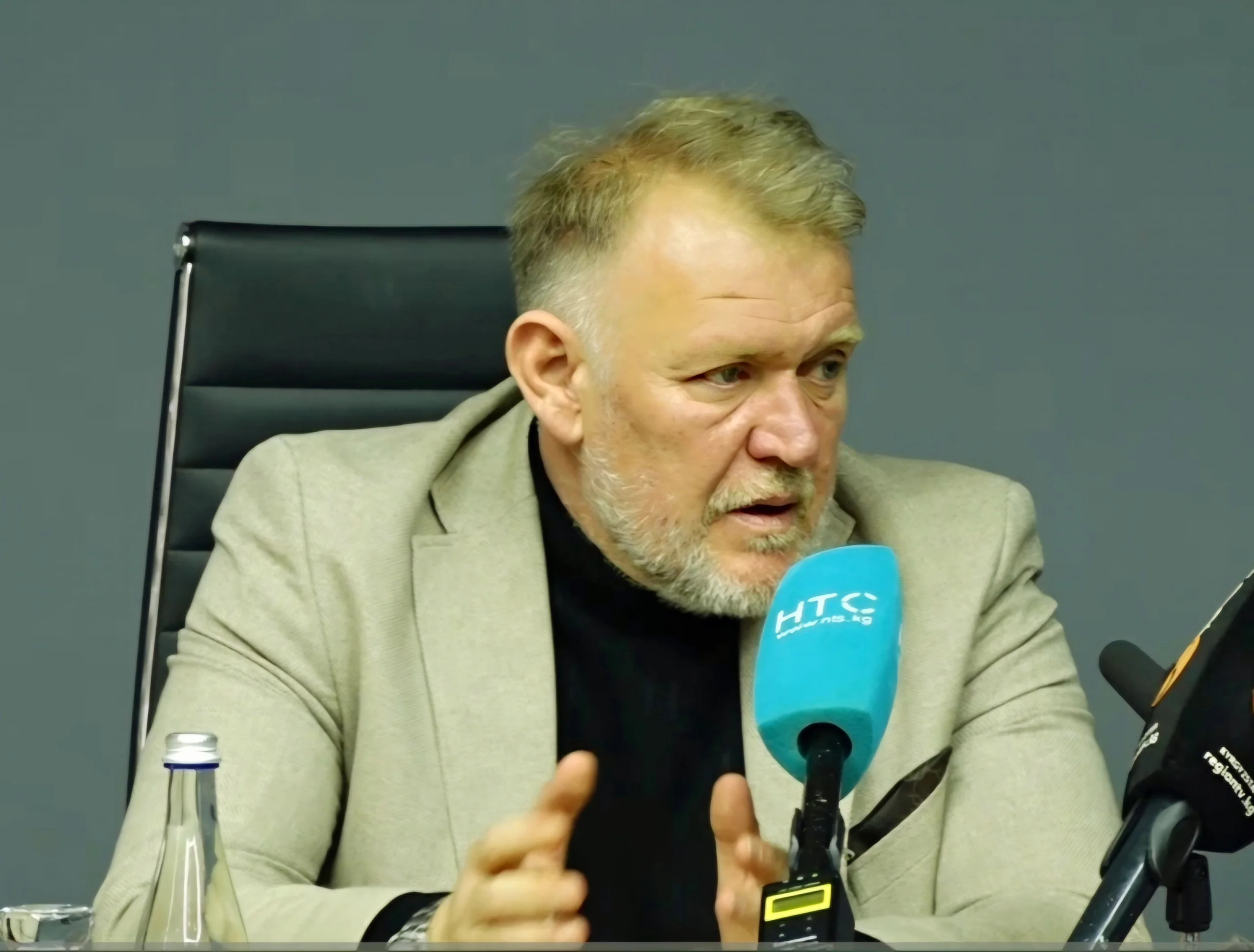
Robert Prosinečki
 Croatia
Football manager and former player
Also known as: Balkan Maradona
Birthday
January 12, 1969
Birth Sign
Capricorn
Birthplace
Villingen-Schwenningen, West Germany
Age
57 years old
Height
6 ft 0 in (183 cm)
About
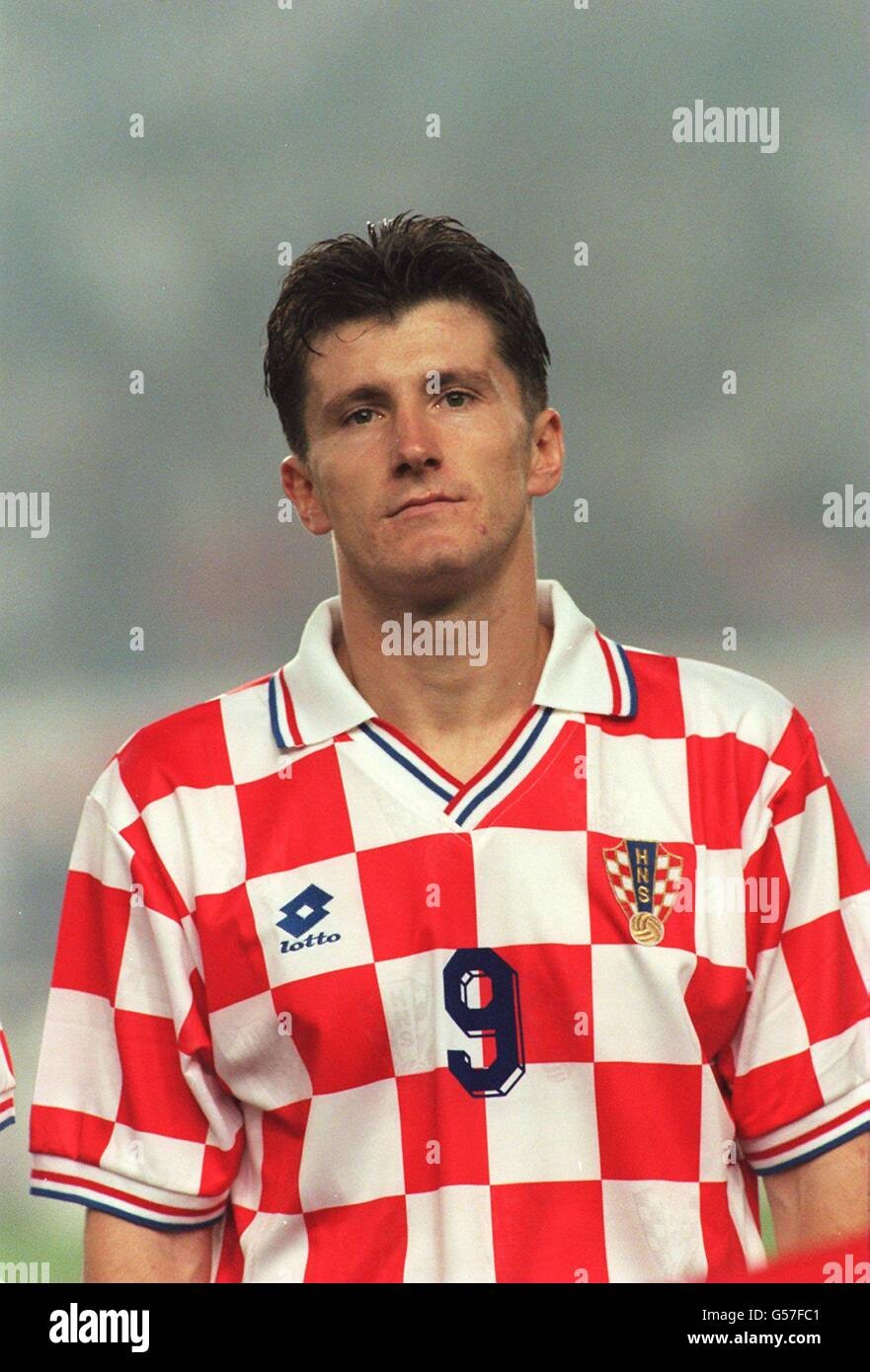
Robert Prosinečki is a Croatian football manager and former player, widely regarded as one of the most gifted playmakers of his generation. Known as the "Balkan Maradona" for his dribbling and vision, he won the European Cup with Red Star Belgrade in 1991 and later starred for Real Madrid and Barcelona. As of 2026, he is the head coach of the Kyrgyzstan national team, a role he took on in December 2025.
Prosinečki's playing career spanned nearly two decades, featuring stints in Yugoslavia, Spain, Belgium, England, Croatia, and Slovenia. He earned 49 caps for Croatia, helping the nation to a third-place finish at the 1998 World Cup. After retiring in 2003, he transitioned into coaching, leading the national teams of Azerbaijan and Bosnia and Herzegovina before his current post.
His technical elegance and ability to control the tempo of a match made him a fan favorite wherever he played. Today, he is respected as a thoughtful analyst and a bridge between the old Yugoslav school of football and modern tactics.
Early Life & Background
Born in Villingen-Schwenningen, West Germany, to a Croatian father and a Serbian mother, Prosinečki moved to Belgrade as an infant. He grew up in the Serbian capital during the final years of socialist Yugoslavia, a period of political tension that would later shape his international career. He joined Red Star Belgrade's youth academy at 15, where his natural flair and technical skill quickly set him apart from his peers.
Before his senior breakthrough, Prosinečki impressed in youth tournaments, winning the 1987 FIFA World Youth Championship with Yugoslavia and being named the tournament's best player. His performances in training and youth matches earned him a spot in the first team, and he made his senior debut for Red Star in 1988. His early years were marked by a growing reputation as a prodigy, with coaches and teammates noting his exceptional close control and passing range.
Off the pitch, Prosinečki developed a reputation for a rebellious streak, including a well-documented habit of smoking, which he maintained even during his playing career. Despite this, his talent was undeniable, and he quickly became the creative heartbeat of a Red Star side that would conquer Europe.
Career Growth
Prosinečki's breakthrough came with Red Star Belgrade, where he won three consecutive Yugoslav First League titles from 1988 to 1990. The pinnacle arrived in 1991 when he led the club to the European Cup, scoring in the semi-final against Bayern Munich and playing a key role in the final against Marseille. That triumph remains one of the greatest achievements in Yugoslav football history.
His performances earned him a move to Real Madrid in 1991, where he won the Copa del Rey in 1993. After a brief spell at Real Oviedo, he joined Barcelona in 1994, but injuries and tactical issues limited his impact. He later had stints at Sevilla, K.V. Mechelen, Portsmouth, and Dinamo Zagreb, where he won two Croatian league titles in 2001 and 2002. He retired in 2003 after a final season with NK Osijek.
Internationally, Prosinečki represented Yugoslavia at the 1990 World Cup, where he was named Best Young Player, and later switched allegiance to Croatia. He played a crucial role in Croatia's third-place finish at the 1998 World Cup, scoring in the group stage and providing creativity throughout the tournament. He earned 49 caps for Croatia, appearing at Euro 1996 and the 2002 World Cup.
After retiring, Prosinečki moved into management. He was an assistant coach for Croatia from 2006 to 2010, then took charge of Red Star Belgrade in 2010. He later managed Kayserispor, the Azerbaijan national team (2014-2017), and Bosnia and Herzegovina (2018-2019). In December 2025, he was appointed head coach of the Kyrgyzstan national team, where he is currently working to develop the squad for AFC Asian Cup qualifiers.
Career Timeline
Public Image & Style
Prosinečki is remembered as an elegant, almost artistic midfielder, known for his graceful dribbling and pinpoint passing. His public persona blends genius with a hint of rebellion, epitomized by his smoking habit during his playing days. Fans and media often compared him to Diego Maradona, but his style was more about orchestration than individual brilliance.
In the media, he is portrayed as a thoughtful, humble figure who values football culture over celebrity. He frequently appears as a pundit and analyst, offering insights into the modern game. His Instagram account, @prosinecki_official, has a modest following and features nostalgic photos and support for Croatian football.
His legacy is that of a bridge between the old Yugoslav school and modern tactics, respected by peers and fans alike.
Fame & Fandom (iFAMOUS Rankings)
Robert Prosinečki commands a global audience defined by deep historical appreciation rather than fleeting viral fame. His career as a transformative playmaker for Red Star Belgrade, Real Madrid, and Barcelona has secured him a permanent place in football history, yet he currently sits outside the published iFANN Global Top 1,000 rankings. The iFANN Global Fame Engine has evaluated his profile but does not assign him a specific numeric rank or placement within its current scope lists. While his name resonates strongly among enthusiasts of the sport's golden eras, there is no formalized fan organization or documented fandom name associated with his legacy. Unlike modern superstars who drive organized campaigns or maintain massive digital armies, Prosinečki's supporters are scattered across generations of football fans who revere his technical artistry and the "Balkan Maradona" moniker. His presence on social media remains personal and modest, lacking the large-scale rituals or coordinated efforts seen with contemporary icons. This absence of a structured fanbase reflects his status as a respected figure from a previous generation, where influence was built on pitch performance rather than digital engagement. Despite not holding a ranked position in the latest iFANN data, his cultural footprint remains significant within the specific context of Yugoslav and Spanish football history.
Interesting Facts and Legends
Prosinečki was a notorious chain-smoker during his playing days, often lighting up on the bench and even during warm-ups, which shocked teammates and managers alike. Despite this, his stamina and skill remained impressive. He is one of only a few players to have represented two different nations at World Cups: Yugoslavia in 1990 and Croatia in 1998 and 2002. His nickname "Balkan Maradona" was coined by fans in the late 1980s due to his dribbling style and flair, though he was more of a pure playmaker than a goal scorer. He played alongside legends such as Luis Enrique, Pep Guardiola, and Iván Zamorano at Real Madrid and Barcelona. In 2026, he praised Luka Modrić as "special" and said no one from his generation compares to him. A prominent legend surrounds his time at Portsmouth FC, where reports describe him as a "chain-smoking genius" whose talent was so exceptional it created a unique statistical anomaly that will likely never be surpassed. Fans still retell the story of how he defied physical expectations despite his lifestyle habits. Another enduring narrative frames his role in the 1991 European Cup victory as part of the "Last Great Team of a Dying Country," marking a triumph just before Yugoslavia collapsed into war. This period is celebrated as the golden era of Yugoslav football, creating a mythos around the squad's unity amidst political turmoil.
Notable Quotes
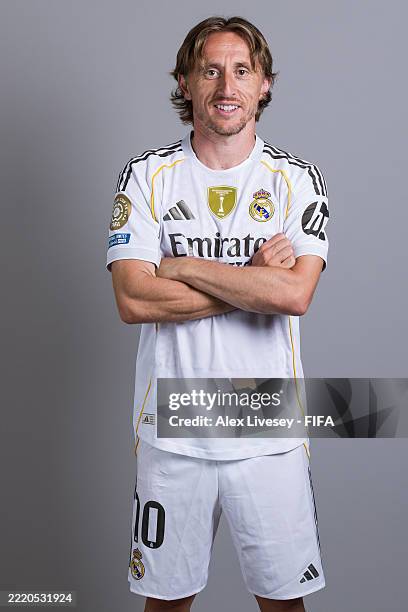
“Luka Modrić is special. He is a player who has everything... I don't think anyone can compare to him in our generation.”
“That was the last great team of a dying country. We played with love and we knew it might be the last time we could play together like that.”
“I never thought about running fast. I just tried to run smart. If you have the ball, you control the game.”
Family & Personal Life
Prosinečki was born to a Croatian father and a Serbian mother in West Germany. His family moved to Belgrade, Yugoslavia, shortly after his birth, and he grew up in the Serbian capital. He has rarely spoken publicly about his family, and details about his parents and siblings remain largely private.
As of 2026, there is no public record of Prosinečki being married or having children. He keeps his personal life out of the spotlight, focusing on his coaching career and football analysis. He is known to maintain residences in Croatia and possibly Serbia, but specifics are not disclosed.
Notable Connections
Prosinečki has crossed paths with some of football's biggest names. He played alongside Luis Enrique and Pep Guardiola at Barcelona, and with Iván Zamorano at Real Madrid. He has expressed admiration for Luka Modrić, calling him "special" and comparing him favorably to his own generation. He also worked with former Croatian coaches Zlatko Kranjčar and Slaven Bilić during his time as an assistant for the national team.
Relationships & Dating History
Robert Prosinečki has kept his romantic life remarkably private throughout his career. Unlike many of his contemporaries, he has rarely been linked to high-profile partners, and no confirmed marriages or long-term relationships have been documented in credible sources.
As of 2026, he is reported to be single, with no public partner. He has no known children. His focus appears to be on his coaching career and personal interests, and he has managed to stay out of the tabloids.
Given the lack of verified information, no chronological dating history can be provided. It is possible that he has had relationships, but he has chosen to keep them out of the public eye.
Salary, Net Worth In 2026
$5 Million
iFANN Editorial Team estimate
Per iFANN's editorial analysis, Robert Prosinečki's net worth is estimated at $5 Million as of 2026. His wealth stems primarily from his playing career, which included lucrative contracts at Real Madrid and Barcelona, as well as his coaching roles with national teams and clubs. During his playing days, Prosinečki earned significant salaries, particularly in Spain, where he was one of the top earners at Real Madrid in the early 1990s. His later moves to smaller clubs like Portsmouth and NK Osijek were less lucrative, but he still accumulated substantial earnings over his 15-year career. As a coach, he has managed national teams like Azerbaijan and Bosnia and Herzegovina, and currently leads Kyrgyzstan. While these positions may not pay as much as top European leagues, they provide a steady income. He also earns from occasional media appearances and endorsements, though these are not major sources. Prosinečki is not known for flashy investments or business ventures, but he likely owns property in Croatia and possibly Serbia. His net worth has remained relatively stable over the years, with no major financial ups and downs reported.
Awards Won (6)
Prosinečki won the European Cup with Red Star Belgrade in 1991 and three Yugoslav First League titles. He also won the Copa del Rey with Real Madrid in 1993 and two Croatian First League titles with Dinamo Zagreb. Individually, he was named Best Player at the 1987 FIFA World Youth Championship and Best Young Player at the 1990 World Cup.
1987 · Individual
Yugoslavia U20
1990 · Individual
Yugoslavia
Known For
European Cup
1991 · Midfielder, Red Star Belgrade
Real Madrid
1991 · Playmaker
Croatia national team
1998 · Midfielder
Kyrgyzstan national team
2025 · Head coach
Keywords
Sources
Quick Facts
- Full Name
- Robert Prosinečki
- Date of Birth
- January 12, 1969
- Place of Birth
- Villingen-Schwenningen, West Germany
- Height
- 6 ft 0 in (183 cm)
- Position
- Attacking Midfielder
Personal Details
- Full Name
- Robert Prosinečki
- Height
- 6 ft 0 in (183 cm)
Frequently Asked Questions
Where was Robert Prosinečki born?
Is Robert Prosinečki married?
What team does Robert Prosinečki manage now?
Did Robert Prosinečki win the World Cup?
How tall is Robert Prosinečki?
Social Media
Join the community
fans discussing