 Latvia
About
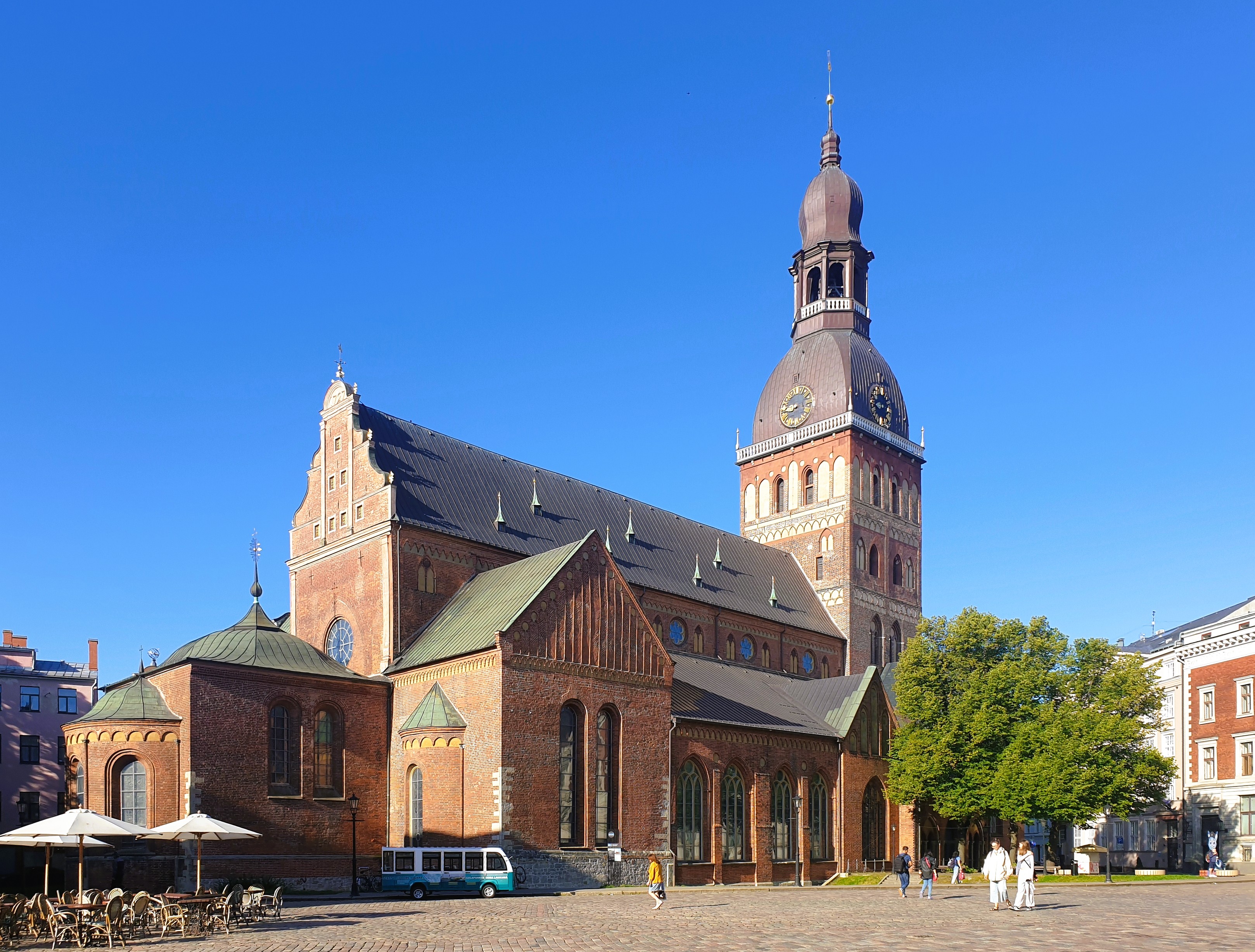
Riga Cathedral, known locally as Rīgas Doms, stands as the spiritual heart of Latvia's capital and one of its most photographed landmarks. This Evangelical Lutheran cathedral, formally dedicated to Saint Mary, serves as the seat of the Archbishop of Riga. Its towering presence and distinctive weathercock have made it a favorite subject for painters, photographers, and travel documentaries, capturing the imagination of visitors from around the world.
The cathedral's history stretches back to 1211 when Bishop Albert of Riga laid the foundation stone. Over the centuries, it has been rebuilt and expanded, blending Romanesque, Gothic, Baroque, and Art Nouveau elements into a fascinating architectural patchwork. The building's most famous feature is its massive organ, built in 1884, which was once the largest in the world and still boasts over 6,700 pipes.
Today, Riga Cathedral is not just a place of worship but also a cultural venue, hosting concerts and events that draw both locals and tourists. Its location in the heart of the Old Town, a UNESCO World Heritage site, adds to its allure. The cathedral's nickname, the Dome Cathedral, is a common pleonasm, as "doms" already means "cathedral" in several languages, a quirk that endears it to language enthusiasts.
Mission
As the principal church of the Evangelical Lutheran Church of Latvia, Riga Cathedral exists to nurture the spiritual life of its congregation, to preserve a heritage of sacred music and architecture, and to serve the wider community through worship, ecumenical dialogue, and cultural engagement. Its mission extends beyond the walls of the building, reaching out to those in need and fostering unity among Christian traditions.
History
The foundation stone of Riga Cathedral was laid in 1211 by Bishop Albert of Riga, who had founded the city itself a decade earlier. Construction proceeded in the Romanesque style, and by around 1270 the main structure was complete. The cathedral was built on the site of an earlier wooden church, and its location next to the Daugava River made it a focal point of the growing trading town.
Over the following centuries, the building underwent extensive modification. In the 15th century, the Gothic style left its mark with the addition of vaulted ceilings and pointed arches. The tower, which now reaches 90 meters, was rebuilt several times after fires and lightning strikes. A Baroque interior renovation in the 17th century added ornate altars and pulpit, while later restorations introduced Art Nouveau elements. The final major construction phase was completed only in 1936, giving the cathedral its present eclectic appearance.
The Reformation brought significant change. In 1523, the cathedral became the first Protestant church in the region, and it has remained Lutheran ever since. The building survived both World Wars, though it suffered damage from bombing in 1944. During the Soviet era, the cathedral was used for secular concerts and storage, but it was returned to the congregation in 1988. The post-independence period saw extensive restoration, supported by international organizations such as the World Monuments Fund.
Notable People
Albert of Riga
Founder and first Bishop · 1211–1229
Laid the foundation stone of the cathedral in 1211 and founded the city of Riga.
Rinalds Grants
Archbishop of Riga · 2025–present
Elected on June 7, 2025; active in ecumenical dialogues with the World Council of Churches.
Milestones
1211
Foundation stone laid by Bishop Albert.
1270
Initial construction completed in Romanesque style.
1523
Became the first Protestant church in the region.
1884
New organ by E.F. Walcker installed, then the largest in the world.
1936
Final construction phase completed.
1988
Returned to the Lutheran congregation after Soviet era.
2025
Archbishop Rinalds Grants elected; International Trombone Festival held.
Departments
Sources
Organization Info
- Founded
- 1211
- Headquarters
- Doma laukums 1, Riga, LV-1050, Latvia
- Country
- Latvia
- Archbishop of Riga
- Archbishop Rinalds Grants
- Parent
- Evangelical Lutheran Church of Latvia
- Type
- Religious
- Founder
- Albert of Riga
- Denomination
- Evangelical Lutheran
- Architectural styles
- Romanesque, Gothic, Baroque, Art Nouveau
- Number of organ pipes
- 6,700+
- Admission fee
- €5.00
Official Website
www.doms.lv/index/?lang=eng
Join the community
fans discussing