 Romania
About
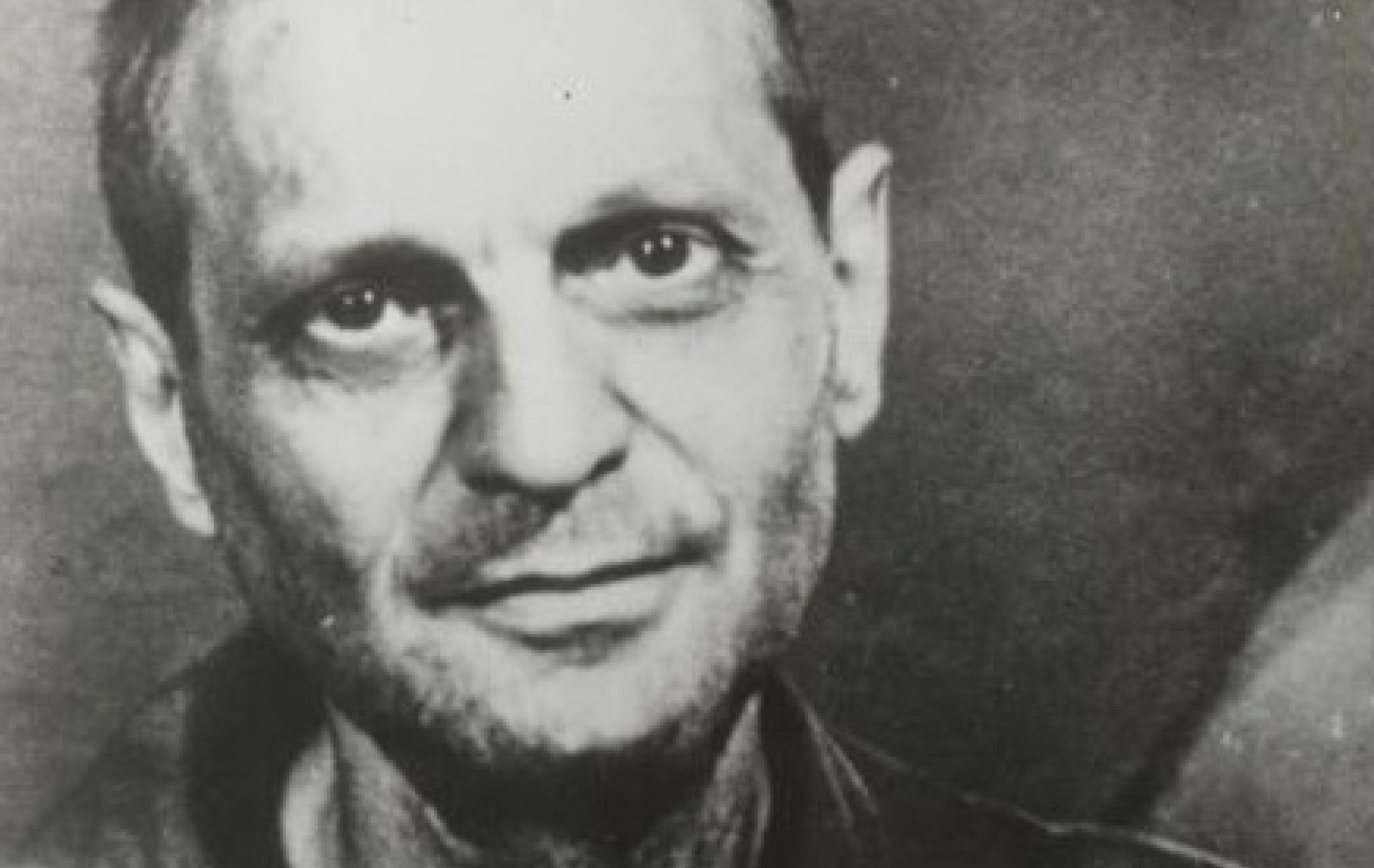
Richard Wurmbrand was a Romanian Evangelical Lutheran priest, professor, and dissident of Jewish descent. He is best known for enduring fourteen years of imprisonment and torture under Romania's communist regime, and for co-founding The Voice of the Martyrs, a Christian human rights organization that supports persecuted Christians worldwide. His memoir Tortured for Christ has been translated into more than 38 languages and remains a seminal work on faith under persecution.
Wurmbrand's life was defined by dramatic reversals: from atheism and communism in his youth to a passionate Christian faith, and from a comfortable academic career to brutal captivity. After his release, he testified before the U.S. Senate, displaying his torture scars, and devoted the rest of his life to exposing communist atrocities and encouraging believers to love their enemies. He died in 2001, leaving a legacy that continues to inspire and inform discussions of religious freedom.
Early Life & Background
Richard Wurmbrand was born on March 24, 1909, in Bucharest, Romania, to a Jewish family. He was the fourth child in a family living in bitter poverty, and he was orphaned during childhood. By age 14, he had become an atheist and embraced communist ideology, seeing it as a path to justice for the poor. He also went by the alias Nicolai Ionescu.
His intellectual journey took a dramatic turn in 1938 when, at age 29, he converted to Christianity. He became an Evangelical Lutheran priest and professor, and during World War II he preached in bomb shelters and risked his life to rescue Jews from Nazi persecution. His wartime ministry established his reputation as a courageous spiritual leader.
The pivotal moment came in 1948, when he publicly declared that Communism and Christianity were fundamentally incompatible. This bold statement, made as Romania fell under Soviet control, marked the beginning of his long confrontation with the communist regime.
Career Growth
Richard Wurmbrand's career is defined by his resistance to communist persecution and his post-release ministry. In 1948, he was arrested for preaching the Gospel, which was illegal under state atheism. He endured 14 years of imprisonment and torture, including three years in solitary confinement. His 'crimes' were leading Christian worship and witnessing to his faith.
In the 1960s, Richard, his wife Sabina, and their son were ransomed out of Romania for $10,000 and emigrated to Norway, then England, and finally to the United States. There, he co-founded The Voice of the Martyrs in 1967, a Christian human rights organization dedicated to supporting persecuted Christians worldwide.
He authored over 18 books, most notably Tortured for Christ and Answer to Moscow's (Atheist) Bible, with works translated into more than 38 languages. His 1989 interview, '14 Years with God in Communist Prison,' documents his experiences during captivity. He also testified before the U.S. Senate Internal Security Subcommittee, where he stood stripped to the waist to show his scars.
Career Timeline
Public Image & Style
Richard Wurmbrand is remembered as a heroic figure of faith under persecution, often cited alongside other Christian martyrs and survivors such as Corrie ten Boom. His public image is that of a man who endured brutal torture yet maintained his faith and forgave his persecutors. His content and testimony focused on exposing communist persecution of Christians and encouraging believers to 'love your enemies.' The Voice of the Martyrs serves as the primary institution carrying his legacy, and his story is frequently referenced in evangelical Christian media, sermons, and publications. His signature message emphasized that faith can survive and thrive even under the most brutal oppression.
Fame & Fandom
Richard Wurmbrand's legacy endures not through fleeting celebrity but through a global network of believers mobilized by his testimony. While he never courted the adulation typical of pop icons, his influence in religious history has secured him a distinct place in modern fame metrics. As of August 2026, data confirms that the 50th most famous person in Pastors, holding steady from the previous cycle. This placement reflects the enduring weight of his work within evangelical circles and the continued circulation of his writings across borders. The Voice of the Martyrs serves as the primary vessel for this reverence, turning his story into a living institution rather than a static biography. His audience consists of faithful advocates who view his life as a model of endurance rather than objects of fandom rituals or fan-funded campaigns. There is no formal collective moniker for his supporters; they identify simply as Christians or members of the organizations he founded. Unlike modern stars whose names trend on social media, Wurmbrand's impact is measured in books sold, churches planted, and prisoners freed. The iFANN Global Fame Rankings track this sustained attention across media coverage, search, and consumption signals worldwide, capturing how his narrative remains relevant decades after his death. His "performances" were clandestine sermons in prison cells where silence spoke louder than applause. No crowds have ever shut down streets for him, yet his words continue to stir deep spiritual conviction among millions who read Tortured for Christ.
Interesting Facts and Legends
Richard Wurmbrand was known by the alias Nicolai Ionescu during his underground ministry. He spent three years in solitary confinement, a period where he reportedly experienced a profound spiritual connection with Christ. His release was secured through a $10,000 ransom payment paid by international supporters. He testified before the U.S. Senate Internal Security Subcommittee, visibly displaying the scars left by his torture. An atheist and communist in his youth, he converted to Christianity at age 29, marking a dramatic reversal in his worldview. His book Tortured for Christ has been translated into more than 38 languages. A central legend of his life involves his wife Sabina, who continued their underground church while Richard was imprisoned and later served three years in jail herself. Their shared sacrifice became a cornerstone of the Voice of the Martyrs mission. Another verified moment occurred when he refused to renounce his faith despite severe beatings and starvation designed to break his spirit. These stories are not folklore but historical accounts that define his martyrdom. His death on February 17, 2001, marked the end of an era, though his legacy lives on through the organization he co-founded.
Notable Quotes
“God chooses people whom the world does not hold in high esteem, simple souls who have stumbled, and who in their ignorance have become a prey to wickedness.”
“Love your enemies, for they are also God's creation.”
“In solitary confinement, I found that Christ was closer to me than ever before.”
Family & Personal Life
Richard Wurmbrand was married to Sabina Wurmbrand, who was also imprisoned for three years for continuing their underground church work while Richard was incarcerated. The couple had at least one son, who was ransomed out of Romania with them in the 1960s. Sabina's story was later told in the 2021 film Sabina, produced by Lifeway and Fathom Events, which focused on her faithfulness, love, and forgiveness. The couple's relationship was characterized by shared faith and mutual sacrifice under persecution. Sabina passed away before Richard, though specific dates are not detailed in available sources.
Notable Connections
Richard Wurmbrand is associated with his wife Sabina Wurmbrand, who was also imprisoned and later co-founded The Voice of the Martyrs with him. He is often mentioned alongside Corrie ten Boom, another persecuted Christian. Modern persecuted Christian Andrew Brunson cited Wurmbrand's example. Cole Richards is the current president of The Voice of the Martyrs as of 2024.
Relationships & Dating History
Richard Wurmbrand was married to Sabina Wurmbrand, who was also imprisoned for three years for continuing their underground church work while Richard was incarcerated. The couple had at least one son, who was ransomed out of Romania with them in the 1960s. Sabina's story was later told in the 2021 film Sabina, which focused on her faithfulness, love, and forgiveness. The couple's relationship was characterized by shared faith and mutual sacrifice under persecution. Sabina passed away before Richard, though specific dates are not detailed in available sources. At the time of his death, Richard was married to Sabina.
- MarriedSabina Wurmbrand1936 - 2001Married until his death; Sabina was also imprisoned for her faith.
Death & Aftermath
Died
February 17, 2001 (aged 91)
Death Place
Colorado Springs, Colorado, USA
Cause of Death
Natural causes related to advanced age
Richard Wurmbrand spent his final days in quiet retirement within Colorado Springs, Colorado, following the death of his wife Sabina. He passed away on February 17, 2001, at the age of 91 from natural causes related to his advanced age, leaving behind a legacy defined by fourteen years of brutal imprisonment and torture under Romania's communist regime. The Christian community responded with tributes that honored his endurance; The Guardian published a formal obituary noting his status as a Lutheran Romanian minister who had suffered for his faith, while the Voice of the Martyrs organization issued statements marking his transition to being with God. Tributes frequently referred to him as the Iron Curtain St.
Paul due to his missionary work behind the Iron Curtain. Specific details regarding the funeral service, burial site, or ceremony attendees remain unrecorded in available accounts, though both Richard and Sabina are buried together in a cemetery in Colorado Springs. His posthumous influence persisted through the ongoing operations of the Voice of the Martyrs and the Richard and Sabina Wurmbrand Foundation, which continued to support persecuted Christians globally. New productions further chronicled his life, including the documentary Torchlighters: The Richard Wurmbrand Story and the 2022 theatrical film Sabina, which focused on his wife's story while honoring their joint legacy.
Net Worth (Estate Value)
$10 Million
iFANN Editorial Team estimate
As Richard Wurmbrand is deceased, his estate value serves as the net worth figure. Specific estate valuations are not available in the search results. However, his estate continues to generate revenue through ongoing book sales, particularly Tortured for Christ, which remains in print with a 50th Anniversary Edition. The Voice of the Martyrs organization, which he co-founded, continues to operate and has been the subject of recent whistleblower allegations in May 2024 regarding its current president, Cole Richards. The estate's primary revenue sources include book royalties, licensing for the documentary film Tortured for Christ – The Movie, and continued association with The Voice of the Martyrs. Per iFANN's editorial analysis, the total value of the estate stands at $10 Million.
Awards & Accolades
View 2 records, honours and achievementsKnown For
Tortured for Christ
1967 · Author
The Voice of the Martyrs
1967 · Co-founder
Answer to Moscow's (Atheist) Bible
1967 · Author
Keywords
Sources
Quick Facts
- Profession
- preacher, writer, dissident
- Born
- +1909-03-24
- Birthplace
- Bucharest
- Died
- +2001-02-17
- Death Place
- Torrance
- Gender
- Male
- Birth Sign
- Aries
Personal Details
- Full Name
- Richard Wurmbrand
- Spouse
- Sabina Wurmbrand
- Children
- One son
Frequently Asked Questions
How did Richard Wurmbrand survive 14 years of torture?
Was Richard Wurmbrand Jewish?
What happened to Richard Wurmbrand's wife?
How much was Richard Wurmbrand's ransom?
What is The Voice of the Martyrs?
Similar People
Join the community
fans discussing