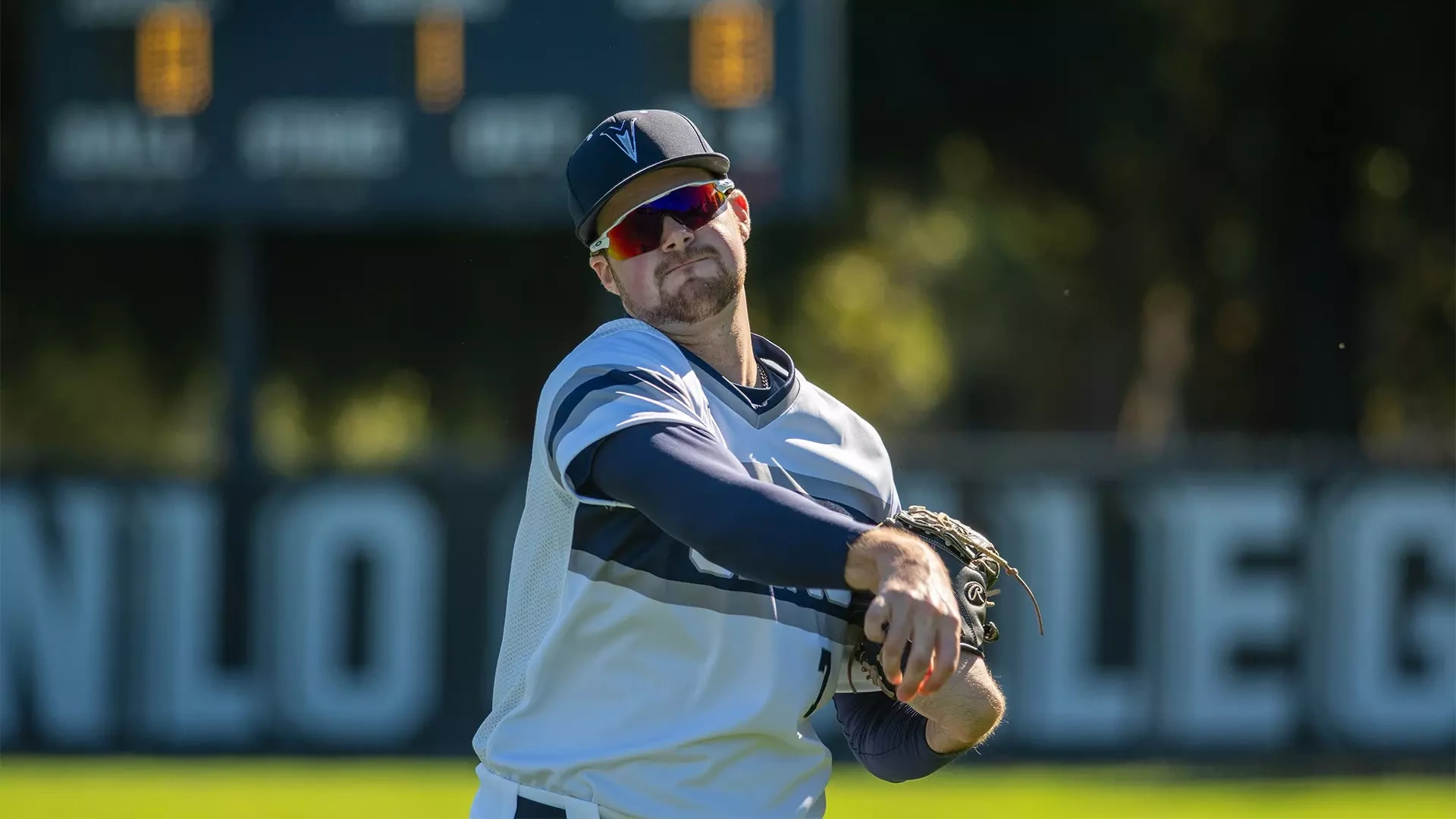
Richard Kiel
 United States
Also known as: Jaws, The Gentle Giant
Birthday
September 13, 1939
Birth Sign
Virgo
Birthplace
Detroit, Michigan, United States
Age
Died at 74
Height
7 ft 1.5 in (217 cm)
About
Richard Kiel was an American actor best known for playing Jaws, the steel-toothed assassin in the James Bond films The Spy Who Loved Me and Moonraker. Standing 7 feet 1.5 inches, he spent more than half a century in front of cameras, logging over 70 films and dozens of television appearances between his 1960 debut and his final roles in the 2010s.
Kiel died on September 10, 2014, in Fresno, California, at 74, from coronary artery disease after being hospitalized following a fall. He left behind a filmography that runs from a 1962 Twilight Zone classic to Disney's Tangled in 2010, and a reputation among colleagues as the gentlest man in the business. For Bond fans he is a permanent fixture of the Roger Moore era. For comedy audiences he is the enormous, grinning Mr. Larson in Happy Gilmore. Both are the same guy.
Early Life & Background
Detroit, September 13, 1939. Richard Dawson Kiel arrived in a family that had nothing to do with show business: his father sold cars and his mother painted. He was enormous almost from the start, and by around age six he was wearing leg braces for a growth-related condition. The height that would define his career, usually attributed in coverage to a pituitary disorder and often named as acromegaly, made ordinary childhood a trial. It also made him impossible to overlook.
He enrolled at the University of Colorado and studied psychology, though the degree never led anywhere near a clinic. Instead came a run of jobs that reads like a screenwriter's invention: he sold cemetery plots, worked the door as a nightclub bouncer, and put in shifts as a hospital orderly. That bouncer experience turned out to be useful training. He spent years afterward learning how to be intimidating on cue while staying calm inside, which is essentially the whole job of a movie heavy.
The break came sideways. A television producer spotted him and gave him his first screen role in 1960, and the work started trickling in. Two years later he was cast as the Kanamit, the towering alien in the Twilight Zone episode "To Serve Man," a part that put him in one of the most-quoted half hours in television history. That same year brought Eegah!, a caveman picture that later became a Mystery Science Theater 3000 punching bag. Kiel took the joke well. He took everything well, which is why he kept getting hired.
Career Growth
Through the 1960s and early 1970s Kiel was a working character actor, the guy studios called when a script needed a giant. He turned up in The Nutty Professor in 1963, as a convict in The Longest Yard in 1974, and as a silent, lethal presence in Silver Streak in 1976. Steady work, no stardom.
Then came 1977. Cast as Jaws in The Spy Who Loved Me, Kiel was originally meant to die partway through the picture. He didn't. The character, a hulking assassin with chrome teeth who bites through steel cable and survives everything, was so popular with audiences that the filmmakers brought him back for Moonraker in 1979, where he was even given a girlfriend and a redemption arc. It is one of the rare cases of a Bond henchman becoming a franchise fixture in his own right. That same year he appeared in Force 10 from Navarone.
The 1980s kept him busy in comedies and westerns: Cannonball Run II in 1984 and Clint Eastwood's Pale Rider in 1985. He wrote screenplays too, and his 1992 memoir Kiel's Story covered his faith and his unusual life. A second wave of fame arrived in 1996 when he played Mr. Larson, the hulking golf fan who menaces Adam Sandler in Happy Gilmore. A third came in 2010, when he voiced the character of Vlad in Disney's Tangled, one of his last credited roles.
Career Timeline
Public Image & Style
On screen Kiel was a monster: the teeth, the height, the stillness. Off screen he was the opposite, and that gap is the whole of his public image. Interviewers who expected a menace got a warm, self-deprecating man who told bouncer stories and laughed at his own shoe size. Letterman's audience adored him precisely because he refused to be scary.
He leaned into the gentle giant framing rather than fighting it. He did not chase leading-man roles or complain about typecasting. He worked, he showed up, he was pleasant to crews, and he understood that the size was the career. That attitude is why the tributes in 2014 kept using the same phrase: beloved bad guy.
Fame & Fandom (iFAMOUS Rankings)
iFANN has not yet collected fame data for Richard Kiel, so there is no ranking to report here. He was not on the September 2026 iFAMOUS Rankings flagship list either. His fame was of the durable, specific kind: enormous within the Bond franchise and among comedy fans of a certain age, invisible to everyone else.
There is no formal fandom name, and Kiel never had the kind of organized fanbase that runs streaming campaigns or buys birthday billboards. What he had instead was a scattered, affectionate constituency. Bond devotees who rank the henchmen the way other people rank quarterbacks put Jaws at or near the top, and the character's return in Moonraker is a favorite piece of trivia in those circles. Then there are the Happy Gilmore people, who know him as Mr. Larson and quote his scenes without necessarily knowing his name. And there are the Letterman clip watchers, who find him through a steel cable and a story about working the door at a nightclub.
What ties them together is the same thing that made him likable on set. Fans do not mythologize Kiel as a terror. They talk about how nice he seemed, how game he was, how he bit a cable in half on late-night television and then sat down and told a joke. That is a strange kind of fame, but it has outlasted most of the movies around it.
Interesting Facts and Legends
His shoes were a problem. Kiel wore a size 16 and often larger, and finding anything that fit meant custom orders and, by his own account, a fair amount of improvisation. He joked about it more than he complained.
The steel teeth in the Bond films were real metal, and the bite-through-the-cable stunt became his signature. He performed a version of it on Late Night with David Letterman, biting a steel cable in half on camera, and Letterman loved him for it. Those appearances, where Kiel told bouncer stories and laughed at his own size, are still passed around by fans.
He was a devout Christian who wrote openly about his faith in Kiel's Story, and he spent much of his later life in the Sierra foothills near Yosemite Lakes Park. A story fans still retell: that he was once mistaken for a statue or a costumed performer by strangers, and simply played along. Whether or not every version of that tale is accurate, it fits the man everyone described, the gentle giant who never seemed to mind being stared at.
Notable Quotes
“I'm not a monster. I'm just a big guy who plays them.”
“The teeth were metal. They were heavy, and they hurt, but they looked right.”
“People expect me to be scary. I'm about as scary as a puppy.”
Family & Personal Life
Kiel's parents were a car dealer and an artist, and he grew up in Detroit with a body that made him conspicuous in a family of ordinary-sized people. He married Diane Rogers in 1960, and the couple had four children before divorcing in 1972. Two years later he married Diane Kiel, and that marriage lasted forty years, until his death in 2014.
Home in his later years was the Yosemite Lakes Park area of California, where his memorial service was held. He was a committed Christian and raised his family in that faith, and he wrote about it at length in his memoir. His widow Diane survived him.
Notable Connections
Relationships & Dating History
Kiel married Diane Rogers in 1960, early in his acting career, and the couple had four children together before divorcing in 1972. The marriage spanned his lean years, the Twilight Zone role, and the long stretch of small parts that preceded Bond.
Two years after the divorce, in 1974, he married Diane Kiel, and that marriage lasted the rest of his life. She was with him through the Jaws years, the comedy work, the memoir, and the quiet retirement in the Sierra foothills. At the time of his death in 2014 he was married to Diane Kiel, who survived him.
- MarriedDiane Rogers1960 - 1972His first wife; the couple had four children before divorcing.
- MarriedDiane Kiel1974 - 2014Married until his death in 2014; she survived him.
Death & Aftermath
Died
September 10, 2014 (aged 74)
Death Place
Fresno, California, United States
Cause of Death
Coronary artery disease
Kiel died on September 10, 2014, in a Fresno hospital, three days short of his 75th birthday. He had been admitted after a fall at home, and the reported cause of death was coronary artery disease. The news broke the same day, and within hours the tributes were coming in from people who had worked with him decades earlier.
The Television Academy published a remembrance under the headline "Beloved 'Bad Guy'," a phrase that summed up how the industry saw him: a man who spent his career playing monsters and killers and was universally described as one of the kindest people on any set. Roger Moore, his co-star in The Spy Who Loved Me and Moonraker, was among the peers who spoke publicly about him. Fans of the Bond series, and a younger generation who knew him only as Mr. Larson in Happy Gilmore, marked the loss across forums and social media.
A memorial service was held in late September 2014 at Yosemite Lakes Park in California, the community where he and his wife Diane had made their home. No major posthumous releases followed. His screen work stands on its own, and his memoir Kiel's Story, which he wrote about his Christian faith, remains in print as the fullest account of his life in his own words. He was survived by Diane, his wife of forty years, and by his children.
Net Worth (Estate Value)
$3 Million
iFANN Editorial Team estimate
Kiel's estate was modest by Hollywood standards, and it reflects the shape of his career: a long run as a character actor rather than a star carrying pictures. Estimates of his estate at the time of his death clustered in the low single-digit millions, and research by the iFANN Editorial Team puts the value at roughly $3 Million as of 2026.
The money came from residuals and a very long credit list. More than 70 films and dozens of television episodes generate syndication and streaming royalties that continue to pay out, and the Bond films in particular have been reissued and repackaged for decades. Happy Gilmore and Tangled both keep finding new audiences, which keeps a trickle of licensing income alive. His memoir Kiel's Story and the occasional use of his likeness in Bond merchandise add a bit more.
He did not have a blockbuster salary history. Character actors in the 1970s and 1980s were paid by the week, not by the gross, and Kiel worked steadily rather than lucratively. There were no major brand deals, no production company, no catalog sale. The estate is privately managed by his family and has not been the subject of any public dispute.
Awards & Accolades
View 2 records, honours and achievementsKnown For
The Spy Who Loved Me
1977 · Jaws
Moonraker
1979 · Jaws
Happy Gilmore
1996 · Mr. Larson
The Twilight Zone: To Serve Man
1962 · Kanamit
Tangled
2010 · Vlad (voice)
The Longest Yard
1974 · Samson
Keywords
Sources
Quick Facts
- Profession
- actor, screenwriter
- Born
- September 13, 1939
- Birthplace
- Detroit, Michigan
- Died
- September 10, 2014
- Death Place
- Fresno, California
- Height
- 7 ft 1.5 in (217 cm)
- Gender
- Male
- Birth Sign
- Virgo
Personal Details
- Full Name
- Richard Dawson Kiel
- Height
- 7 ft 1.5 in (217 cm)
- Spouse
- Diane Kiel
- Children
- 4
- Education
- University of Colorado
Filmography
80
Total
70
Film
30
TV
Frequently Asked Questions
How tall was Richard Kiel?
How did Richard Kiel die?
What was Richard Kiel's net worth?
Was Richard Kiel in more than one James Bond film?
Who was Richard Kiel's wife?
Join the community
fans discussing