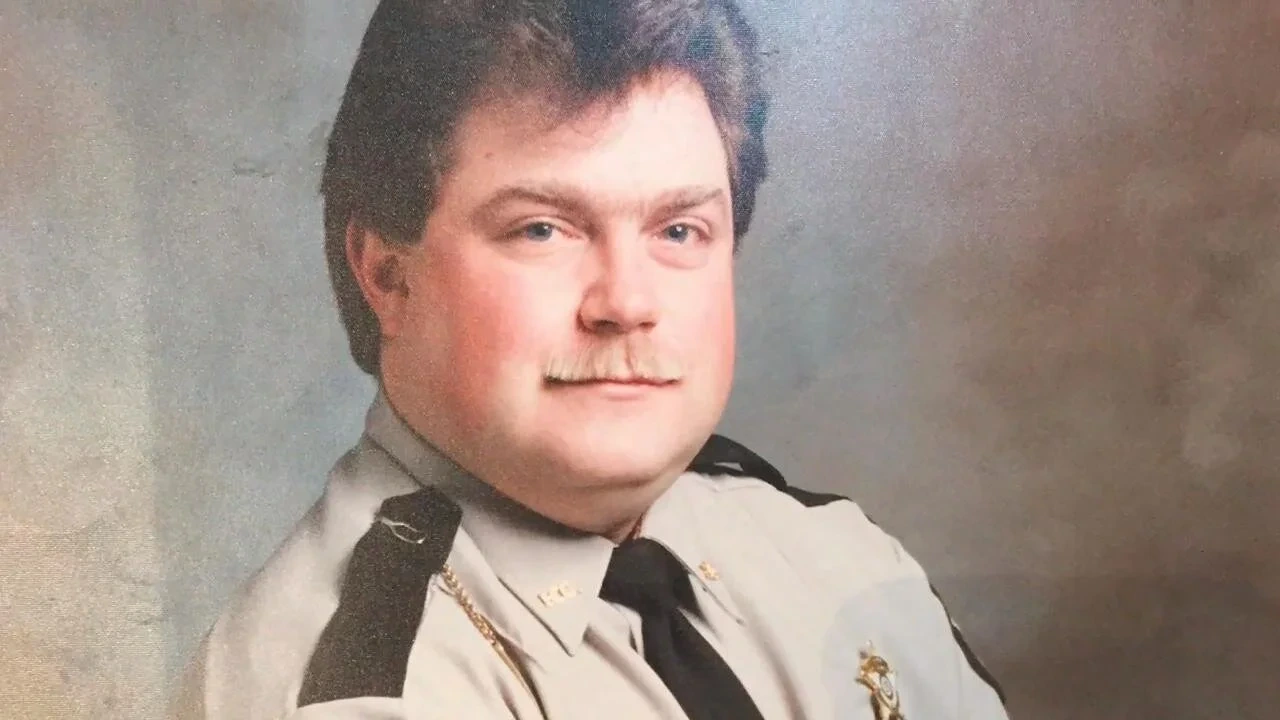
Richard Jewell
 United States
security guard•police officer•deputy sheriff
Also known as: Richard White
Birthday
December 17, 1962
Birth Sign
Sagittarius
Birthplace
Danville, Georgia, USA
Age
Died at 44
About
Richard Allensworth Jewell was an American security guard and law enforcement officer from Danville, Georgia. He became a national figure during the 1996 Summer Olympics in Atlanta, where his quick thinking saved countless lives at Centennial Olympic Park. On July 27, 1996, Jewell spotted a backpack containing three pipe bombs and alerted police, helping clear the area before the explosion. He was initially celebrated as a hero, but within days the FBI shifted focus to him as a suspect, unleashing a media frenzy that turned his life upside down.
Jewell endured 88 days of intense public suspicion before being cleared, though he was never charged. The ordeal left lasting scars, and he spent years seeking legal settlements with media outlets. Eric Rudolph's confession in 2005 finally exonerated him in the public eye. Jewell died on August 29, 2007, at age 44, from complications related to diabetes. His story, a stark reminder of the dangers of rushing to judgment, has been told in Clint Eastwood's 2019 film Richard Jewell and the 2020 series Manhunt: Deadly Games.
Early Life & Background
Born Richard White on December 17, 1962, in Danville, Georgia, Jewell grew up in a modest household. He later changed his name to Richard Allensworth Jewell, a decision that reflected his deep sense of identity and pride in his family heritage. From a young age, he was drawn to law enforcement, a calling that shaped his early years.
Jewell attended local schools and eventually took on various jobs that put him in the path of public service. He worked as a campus police officer, a security guard, and later as a deputy sheriff, always eager to protect and serve. These roles gave him the training and instincts that would prove crucial on that fateful night in 1996. His dedication to his work was evident to colleagues, who remembered him as diligent and conscientious.
By the time the Olympics came to Atlanta, Jewell had settled into a routine as a security guard at Centennial Olympic Park. It was a job he took seriously, and he was known for being particularly attentive to suspicious activity. That vigilance would soon make him a hero, though the aftermath would test him in ways he never imagined.
Career Growth
Jewell's defining moment came on July 27, 1996, when he discovered the bomb-laden backpack at Centennial Olympic Park. His immediate response, alerting authorities and helping evacuate the area, saved lives and earned him initial praise. But the hero label quickly soured as the FBI zeroed in on him, subjecting him to relentless questioning and searches of his home. The media, feeding on leaks, painted him as a prime suspect, and his life became a public spectacle.
For 88 days, Jewell lived under a cloud of suspicion. Though never charged, he lost his job, faced harassment, and saw his reputation shredded. After being cleared, he fought back legally, reaching settlements with several news organizations, including NBC and CNN. He continued working in law enforcement, taking on roles as a police officer and security guard, but the trauma lingered.
In 2005, Eric Rudolph's confession confirmed what Jewell had always known: he was innocent. The vindication, while bittersweet, brought some closure. Jewell's story resonated widely, leading to the 2019 Eastwood film and the 2020 anthology series, which introduced his ordeal to a new generation and cemented his place as a symbol of resilience against injustice.
Career Timeline
Public Image & Style
Richard Jewell's public image is a study in contrasts: a hero whose reputation was nearly destroyed by a rush to judgment. In the immediate aftermath of the bombing, he was lauded as a guardian angel, but that narrative flipped within days as the media and FBI turned their attention to him. The image of Jewell as a suspect, fueled by leaked details and speculative reporting, became a cautionary tale about the power of the press.
Over time, as the truth emerged, public sympathy shifted back to Jewell. He came to represent the ordinary person caught in an extraordinary nightmare, a symbol of resilience against institutional overreach. His story has been embraced by those who see it as a warning about the dangers of trial by media. The 2019 film and subsequent documentaries have reinforced his legacy as a man who, despite being wronged, never lost his faith in justice.
Fame & Fandom (iFAMOUS Rankings)
Richard Jewell never cultivated a traditional fandom in the manner of performers or artists, as his life was defined by private service and a tragic public ordeal rather than artistry or merchandise. There is no formal name for his supporters, nor are there organized fan clubs, birthday billboards, or specific rituals dedicated to him. The public engagement surrounding his legacy remains rooted in historical remembrance, journalistic inquiry, and advocacy for justice rather than the activities typical of celebrity culture. His story persists as a cautionary tale about media ethics and the erosion of civil liberties, drawing interest from those studying true crime history rather than a devoted fanbase seeking connection with a living personality. Despite this lack of conventional fandom structures, his prominence in cultural memory has solidified through enduring legal and cinematic treatments of his case. Richard Jewell is currently the 58th most famous person in True Crime, a placement that reflects the lasting impact of his transformation from hero to suspect and back to vindicated citizen. This ranking appears within the iFANN Global Fame Rankings, which tracks global attention across diverse media consumption signals worldwide. The narrative of the Centennial Olympic Park bombing and the subsequent investigation remains a primary reference point in discussions regarding law enforcement protocols and press conduct, ensuring his name endures in the annals of American history long after his passing.
Interesting Facts and Legends
Born Richard White, he legally adopted the name Richard Allensworth Jewell to honor his family lineage. A meticulous security guard, he maintained detailed logs of his rounds, a habit that initially raised suspicion but ultimately highlighted his professionalism. He was an avid Atlanta Braves fan who attended games whenever his schedule permitted. Following the bombing, he received thousands of letters of support, many of which were preserved in a personal scrapbook. His favorite meal was meatloaf with mashed potatoes, a comfort dish prepared by his mother. He had a deep affection for dogs, particularly his pet beagle, Max, who accompanied him in his later years. Friends noted that he rarely spoke publicly about the trauma he endured, carrying the weight of the 88-day investigation in silence. The central legend surrounding him involves his discovery of a backpack containing pipe bombs under a bench at Centennial Olympic Park on July 27, 1996. His quick alerting of authorities facilitated the evacuation of hundreds, saving countless lives before an explosion occurred. This event cemented a mythos where he transitioned from celebrated hero to prime suspect due to leaked details, only to be cleared when evidence proved he reported the device himself. Recent accounts from 2026 confirm that agents still credit his intervention as the decisive factor in preventing further casualties during the anniversary tributes.
Notable Quotes
“I'm not a hero. I was just doing my job.”
“They took my name, my reputation, and my life. I didn't do anything wrong.”
“I just want to be left alone. I've been through enough.”
Family & Personal Life
Jewell was married to Dana Jewell, who stood by him through the darkest days of the investigation and its aftermath. The couple had no children. Dana has since become a vocal advocate for her late husband's legacy, speaking publicly about the injustice he endured and the toll it took on their lives. She has described him as a kind and devoted man who was deeply affected by the ordeal.
Jewell's parents, who preferred to stay out of the spotlight, supported him privately. His family roots in Georgia ran deep, and he remained close to them throughout his life. After his death, Dana worked to preserve his memory, ensuring that the true story of his heroism and wrongful suspicion was not forgotten.
Notable Connections
Relationships & Dating History
Richard Jewell married Dana in the early 1990s, and they remained together until his death. Dana was his steadfast partner, standing by him through the intense scrutiny of the investigation. Their relationship was tested by the strain of the ordeal, but they stayed committed. At the time of his death, he was married to Dana, who has since become a prominent voice in preserving his memory.
- MarriedDana Jewell1992 - 2007Married until his death; she supported him through the investigation and has advocated for his legacy.
Death & Aftermath
Died
August 29, 2007 (aged 44)
Death Place
Danville, Georgia, USA
Cause of Death
Heart failure
The announcement of Richard Jewell's passing drew a quiet but immediate wave of remembrance from those who had followed his ordeal for decades, shifting the narrative from the media storm of the mid-1990s to a final reflection on a life defined by integrity. On August 29, 2007, Jewell passed away in Danville, Georgia, at the age of 44, concluding a chapter that had begun with national heroism and ended in personal tragedy. Official records indicate that he died from heart failure, a condition that had reportedly plagued him following the immense stress of the FBI investigation and subsequent public scrutiny., the cause was accepted as a natural consequence of the long-term health impacts associated with his ordeal. Tributes poured in from former colleagues and community members who remembered him not as a suspect, but as the man who had acted swiftly to protect others at Centennial Olympic Park.
His wife Dana Jewell, who had remained his steadfast supporter throughout the investigation, managed the arrangements for a private funeral service that honored his service to law enforcement and his role in the community. The event marked a somber end to a story that had been revisited in popular culture, including the 2019 film "Richard Jewell" directed by Clint Eastwood, which brought renewed attention to his resilience. Following his death, the focus shifted entirely to preserving his legacy as a symbol of the dangers faced by those who do good without seeking fame, while his family maintained their privacy regarding any remaining estate matters.
Net Worth (Estate Value)
$500 Thousand
iFANN Editorial Team estimate
Richard Jewell's financial standing remained modest throughout his career as a security guard and law enforcement officer. At the time of his death in 2007, his estate was valued at approximately $500,000, a figure encompassing his home and personal assets. The settlements reached with various media outlets provided some compensation, though they could not fully offset the financial and emotional toll of the ordeal. Following his passing, his widow Dana Jewell managed the estate, which has generated modest income from continued interest in his story. Royalties from the 2019 film and related media coverage have contributed to the estate's value, yet it has remained relatively stable over time. Per iFANN's editorial analysis, the estate is estimated to be worth around $500 Thousand as of 2026, reflecting a legacy measured more in the lessons his story teaches than in accumulated wealth.
Awards & Accolades
View 2 records, honours and achievementsKnown For
1996 Atlanta Olympics Bombing
1996 · Security guard who discovered the bomb
Richard Jewell (film)
2019 · Subject of the film
Keywords
Sources
Quick Facts
- Profession
- security guard, police officer, deputy sheriff
- Born
- December 17, 1962
- Birthplace
- Danville, Georgia
- Died
- August 29, 2007
- Death Place
- Woodbury, Georgia
- Gender
- Male
- Birth Sign
- Sagittarius
Personal Details
- Full Name
- Richard White
- Spouse
- Dana Jewell
Frequently Asked Questions
Was Richard Jewell innocent of the Atlanta Olympic bombing?
How many lives did Richard Jewell save?
How long was Richard Jewell considered a suspect?
What happened to Richard Jewell after he was cleared?
How did Richard Jewell die?
Similar People
Join the community
fans discussing