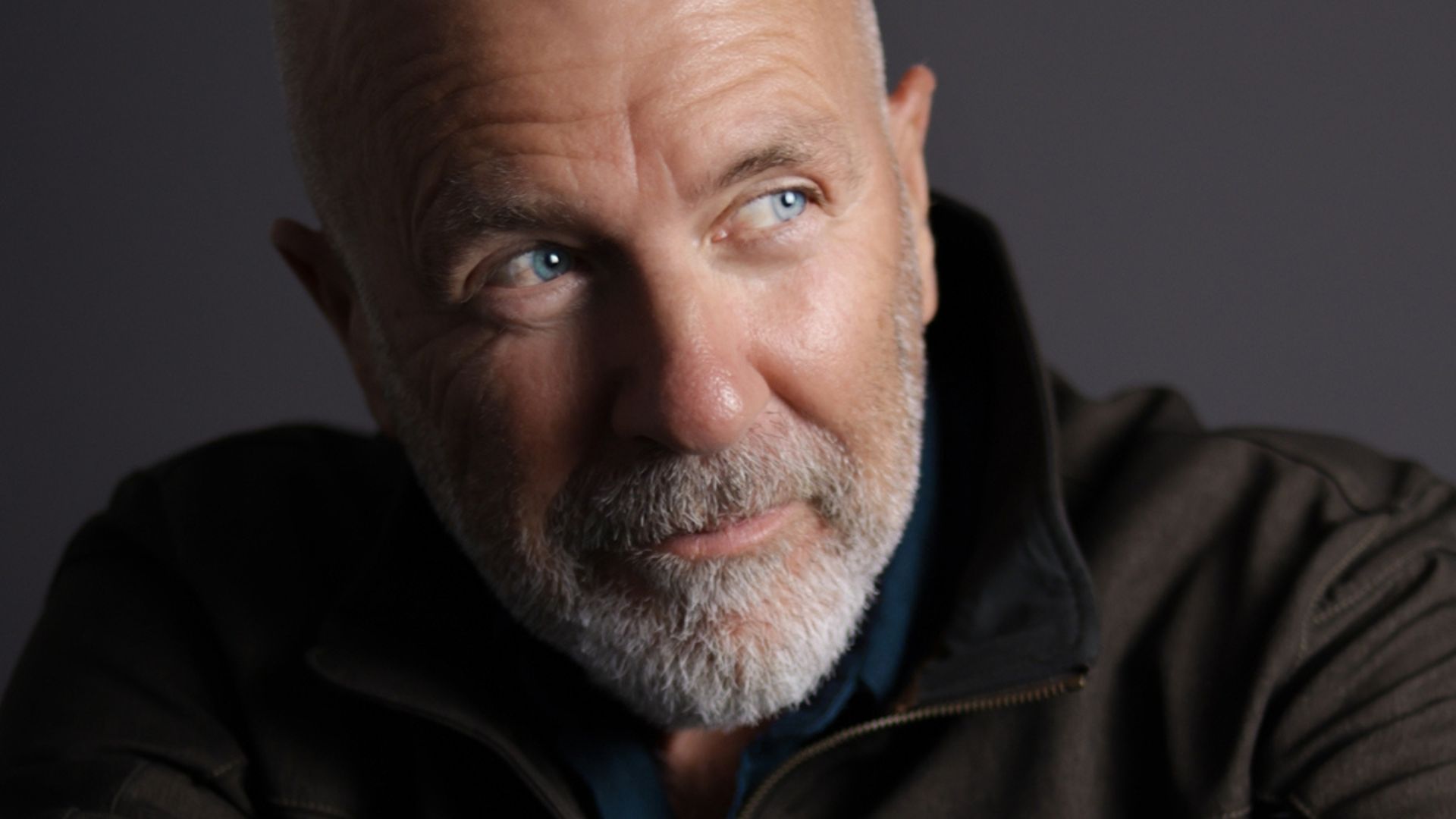
Richard Flanagan
 Australia
writer•journalist•film director
Also known as: Richard Miller Flanagan
Birthday
January 1, 1961
Birth Sign
Capricorn
Birthplace
Longford, Tasmania, Australia
Age
65 years old
About
Richard Flanagan is an Australian writer, journalist, and filmmaker whose work has reshaped how the world sees Tasmania and its history. He is best known for his 2013 novel The Narrow Road to the Deep North, which won the 2014 Man Booker Prize and brought the harrowing story of Australian prisoners of war on the Burma Death Railway to a global audience. That book, along with his 2023 non-fiction work Question 7, has made him one of the most celebrated literary voices of his generation.
Flanagan's writing is marked by lyrical prose, a deep sense of place, and an unflinching look at trauma and memory. He has also directed a feature film and written screenplays, including for Baz Luhrmann's epic Australia. In 2024 he became the first author ever to win both Britain's top fiction prize and its top non-fiction prize, a feat that speaks to his range and ambition.
As of 2026, he remains a towering figure in contemporary literature, known as much for his principled stands as for his books. His decision to reject the £50,000 Baillie Gifford Prize money in 2025, on ethical grounds, made headlines and sparked debate about the role of corporate sponsorship in the arts.
Early Life & Background
Richard Flanagan grew up in Rosebery, a small mining town on Tasmania's rugged west coast. His family's roots run deep in the island's convict history, with Irish ancestors transported to the colony generations earlier. That heritage, combined with the shadow of his father's wartime experience as a survivor of the Burma Death Railway, shaped his understanding of history and suffering from an early age.
At sixteen, Flanagan left school, a decision that could have ended his academic path. But he eventually returned to education, studying law and history at the University of Tasmania. His academic promise won him a Rhodes Scholarship to Worcester College, Oxford, where he studied history. Before that, though, he spent years working as a river guide on the Franklin River, leading white-water rafting trips through the wild Tasmanian wilderness. That work put him at the heart of the environmental movement to save the river from being dammed, and it gave him a firsthand connection to the landscape that would become central to his fiction.
His early career included stints as a journalist and screenwriter. He also worked as a labourer, an experience that kept him grounded in the working-class realities of his home state. All of these threads, the river, the history, the fight for the environment, came together in his first novel, Death of a River Guide, published in 1994, which drew directly on his years guiding on the Franklin.
Career Growth
Flanagan's breakthrough came in 1994 with Death of a River Guide, a novel that critics immediately recognized as something special. He followed it in 1997 with The Sound of One Hand Clapping, which won the Australian Booksellers' Book of the Year Award. Two years later he directed the film adaptation, marking his debut behind the camera.
His next novel, Gould's Book of Fish (2001), won the Commonwealth Writers' Prize and confirmed his reputation as a writer of ambition and originality. After The Unknown Terrorist (2006), he took a detour into Hollywood, writing the screenplay for Baz Luhrmann's epic Australia (2008), starring Nicole Kidman and Hugh Jackman.
The defining moment came in 2013 with The Narrow Road to the Deep North. The novel, which follows an Australian surgeon haunted by his time on the Burma Death Railway, won the 2014 Man Booker Prize. Flanagan described the win as "a catastrophe of good fortune," a phrase that captured the sudden weight of expectation. In 2023, after a terrifying misdiagnosis of early onset dementia, he wrote Question 7, a genre-defying work of non-fiction about love, memory, and mortality. It won the 2024 Baillie Gifford Prize, making him the first author ever to win both Britain's top fiction and non-fiction prizes.
In October 2025, he made international news by rejecting the £50,000 prize money from the Baillie Gifford Prize, citing ethical concerns about the sponsor. A television adaptation of The Narrow Road to the Deep North premiered in 2025, bringing his most famous work to a new audience.
Career Timeline
Public Image & Style
Flanagan's public persona blends intellectual gravitas with a rugged, outdoorsman authenticity. He is often photographed in the Tasmanian wilderness, a setting that echoes the landscape of his novels. In interviews, he comes across as thoughtful and direct, unafraid to take controversial stances. His rejection of the Baillie Gifford Prize money in 2025 cemented his reputation as a writer who puts principles above personal gain.
His readership skews toward serious literary fiction fans, particularly those interested in Australian history, war literature, and environmental themes. He does not have a fandom name or a strong social media presence, preferring to let his books speak for themselves. Critics have compared him to the greats of Australian literature, and The Economist has called him potentially the finest Australian novelist of his generation.
Fame & Fandom
Richard Flanagan is currently evaluated by the iFANN Global Fame Engine as holding no placement in the published rankings, a status reflecting his standing as a preeminent literary figure rather than a mass-market celebrity. While his work commands immense critical respect and global attention, particularly following his 2014 Man Booker Prize win for The Narrow Road to the Deep North, he does not currently occupy a numeric slot within the Global Top 1,000 or any scope-specific top-100 lists. This absence of a ranked position distinguishes his influence, which rests on enduring cultural impact and intellectual gravitas rather than transient viral metrics or commercial chart performance.
The concept of an organized fandom does not apply to Flanagan in the traditional sense. There is no documented fanbase name, nor are there records of formal fan clubs, chart campaigns, or social media movements dedicated exclusively to him. His readership engages through established literary circuits, attending author readings at major festivals like the Byron Writers Festival and participating in discussions regarding his essays on environmentalism and Australian identity. The most distinct ritual associated with his public life involves the attendance at these high-profile literary events where he appears alongside other prominent intellectuals. Recent narratives surrounding his health, including reports from August 2026 regarding a shock medical diagnosis, have generated significant media discourse, yet these remain stories of public interest rather than manifestations of a dedicated cult following. His legacy is defined by the quiet endurance of his prose and his willingness to challenge political narratives, attracting an audience that values substance over spectacle.
Interesting Facts and Legends
Rather than pursuing a conventional academic path, Flanagan left school at sixteen before eventually earning a Rhodes Scholarship, a trajectory that remains one of the more remarkable educational journeys in modern literature. His early career included working as a white-water rafting guide on the Franklin River, placing him at the heart of the campaign to save the river from damming. The subject of his Booker-winning novel, The Narrow Road to the Deep North, holds deep personal significance as his father survived the Burma Death Railway depicted in the book. In 2022, Flanagan received a distressing diagnosis of early onset dementia with a prognosis of twelve months, a scare that ultimately proved incorrect but inspired Question 7. He stands as the first author to win both the Man Booker Prize and the Baillie Gifford Prize. His debut novel Gould's Book of Fish was uniquely illustrated with drawings of fish, reflecting his profound interest in Tasmania's natural history. Furthermore, he takes pride in his lineage as a descendant of Irish convicts transported to the island colony.
A defining moment in his recent cultural mythology occurred around August 2026 when reports surfaced of a sudden health crisis leading to a terminal prognosis, prompting widespread reflection on mortality and his future writing. This period also cemented his reputation as a dissenter against prevailing political narratives, particularly through his essays in Heresies and comments challenging the notion of white Australian belonging.
Notable Quotes
“Winning the Booker was 'a catastrophe of good fortune.'”
“I'm not sure that I will write again.”
“Who do we love? How do we live? These questions haunt us.”
“The writer's only job is to be not boring.”
Family & Personal Life
Flanagan's father, a survivor of the Burma Death Railway, loomed large in his life and work. The experience of watching his father live with that trauma shaped his understanding of war and memory. His mother, Ella Flanagan, passed away in 2010; her obituary notes the family's deep Tasmanian roots.
He is married to Majella Flanagan, a Tasmanian artist and printmaker. The couple has three children and has made their home in Tasmania throughout his career. Majella has been a steady presence through his literary successes and the health scare that inspired Question 7. The family keeps a relatively low profile, preferring the quiet of the island to the literary circles of London or New York.
Notable Connections
Flanagan's most notable collaboration came with Baz Luhrmann, for whom he wrote the screenplay for the 2008 epic Australia. He also appeared in a video discussion about The Narrow Road to the Deep North alongside U2's Bono and theologian Eugene Peterson. His wife, Majella Flanagan, is a respected Tasmanian artist whose work has been exhibited across Australia.
Relationships & Dating History
Flanagan has been married to Majella Flanagan, a Tasmanian artist and printmaker, for decades. The couple met in Tasmania and have three children together. Throughout his career, Majella has been a supportive and stabilizing presence, and they have weathered the ups and downs of literary life as a team. Flanagan is notably private about his personal life, and no public records exist of prior marriages, divorces, or high-profile romantic relationships. As of 2026, he remains married to Majella, and the couple continues to live in Tasmania.
- MarriedMajella FlanaganCurrentMarried for decades, three children, lives in Tasmania.
Salary, Net Worth In 2026
$5 Million
iFANN Editorial Team estimate
Per iFANN's editorial analysis, Richard Flanagan's net worth in 2026 is estimated at $5 Million, a figure that reflects his career as a literary author rather than a commercial entertainer. His income streams include book advances, royalties from his novels, film rights, and speaking engagements. The Man Booker Prize in 2014 came with £50,000. His screenplay for Australia (2008) would have commanded a significant fee given the film's blockbuster status. The television adaptation of The Narrow Road to the Deep North, which premiered in 2025, would have generated additional licensing income. Over the years, his books have sold steadily, particularly in Australia and the UK, and his international reputation has grown since the Booker win. While not a wealthy man by celebrity standards, Flanagan has built a comfortable financial foundation from his writing and related projects.
Awards Won (6)
Flanagan's trophy shelf is a testament to his range. He won the Man Booker Prize in 2014 for The Narrow Road to the Deep North, and a decade later took home the Baillie Gifford Prize for Question 7, becoming the first author ever to win both of Britain's top fiction and non-fiction prizes. Earlier in his career, he won the Commonwealth Writers' Prize for Gould's Book of Fish and the Australian Booksellers' Book of the Year Award for The Sound of One Hand Clapping. He has also collected multiple state literary awards in Australia, including the Victorian Premier's Literary Award and the Tasmanian Book of the Year.
2024 · Non-Fiction
Question 7
2014 · Fiction
The Narrow Road to the Deep North
Known For
The Narrow Road to the Deep North
2013 · Author
Question 7
2023 · Author
Gould's Book of Fish
2001 · Author
Australia
2008 · Screenwriter
Keywords
Sources
Quick Facts
- Profession
- writer, journalist, film director
- Born
- January 1, 1961
- Birthplace
- Longford, Tasmania, Australia
- Gender
- Male
- Birth Sign
- Capricorn
- Nationality
- Australian
- Spouse
- Majella Flanagan
- Children
- 3
- Education
- University of Tasmania; Worcester College, Oxford (Rhodes Scholar)
- Notable Awards
- Man Booker Prize (2014), Baillie Gifford Prize (2024)
Personal Details
- Full Name
- Richard Miller Flanagan
- Spouse
- Majella Flanagan
- Children
- 3
- Education
- University of Tasmania (law, history); Worcester College, Oxford (Rhodes Scholar, history)
Filmography
2
Total
2
Film
0
TV
Frequently Asked Questions
What is Richard Flanagan's most famous book?
What is Richard Flanagan's net worth in 2026?
Is Richard Flanagan still writing?
Did Richard Flanagan really reject a book prize?
How old is Richard Flanagan?
Similar People
Join the community
fans discussing