Richard Avedon
 United States
fashion photographer•portrait photographer
Also known as: Richie Avedon
Birthday
May 15, 1923
Birth Sign
Taurus
Birthplace
New York City, New York, U.S.
Age
Died at 81
Height
5 ft 10 in (178 cm)
About
Richard Avedon (May 15, 1923 – October 1, 2004) was an American fashion and portrait photographer whose work fundamentally reshaped the visual language of the 20th century. Born in New York City to a Jewish family, he grew up in a household where his father ran a successful clothing business, giving him an early understanding of fabric and presentation. He attended public schools in New York before enrolling at Columbia University, though he dropped out after one year to pursue photography full-time. His career began in earnest during World War II when he joined the Merchant Marine as a photographer for the U.S. Coast Guard.
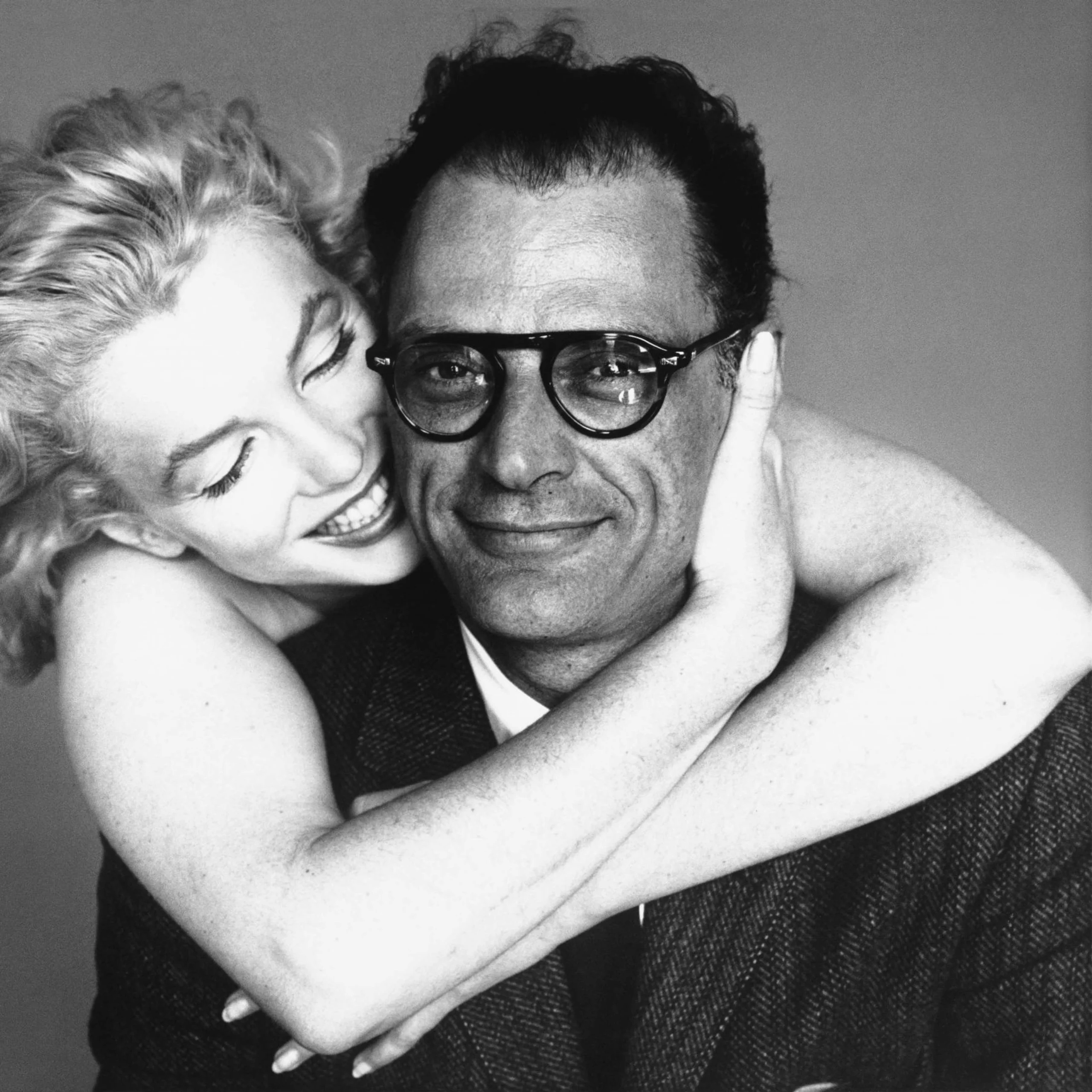
Avedon revolutionized fashion photography by rejecting static poses. He introduced movement, capturing models mid-leap or in motion against stark white backgrounds. Under editor Carmel Snow at Harper's Bazaar, he treated subjects as living people rather than objects. His portfolio extended into serious portraiture, photographing icons like Marilyn Monroe and Elizabeth Taylor with an unflinching gaze. He documented workers and outcasts in projects like In the American West. Avedon passed away on October 1, 2004, leaving behind a legacy that defined America's image of style and beauty for half a century.
Early Life & Background
Raised in a wealthy Jewish family in New York City, Richard Avedon spent his childhood surrounded by textiles and retail. His father, Samuel Avedon, owned a successful clothing store, which gave young Richard an intimate look at how clothes were sold and displayed. This environment instilled in him a deep appreciation for form and presentation that would later define his artistic vision. He attended public schools in New York before enrolling at Columbia University. However, his passion for photography pulled him away from academia after just one year of study.
His path shifted dramatically during World War II. In 1942, Avedon joined the Merchant Marine and served as a photographer for the U.S. Coast Guard. This role provided his first professional experience behind the lens, documenting life at sea and earning him a reputation for capturing candid moments. After the war, he moved to New York City in 1944 to work briefly for The Daily Mirror. He then joined the staff at Vogue under the tutelage of Alexey Brodovitch, learning the ropes of magazine design. Despite this training, his true breakthrough arrived in 1945 when he won a competition sponsored by Harper's Bazaar. That victory launched a long-term contract that would change the course of fashion photography forever.
Career Growth
Avedon left Vogue in 1947 to join Harper's Bazaar permanently, working there until 1965. During these eighteen years, he transformed the industry by introducing kinetic energy to still images. He captured models mid-leap and in motion, breaking away from the stiff, mannequin-like poses of the era. His work featured iconic figures such as Audrey Hepburn, Marilyn Monroe, and Elizabeth Taylor, creating some of the most recognizable images in history. In 1965, he made a bold move to become the first freelance fashion photographer, signing lucrative deals with The New Yorker and Vogue.
This freedom allowed him to expand into serious portraiture and documentary projects. He published Portraits in 1976 and Nothing Personal in 1994, showcasing his ability to reveal the humanity beneath the surface of famous faces. His seminal project In the American West, released in 1985, documented workers, outcasts, and ordinary people with the same intensity reserved for supermodels. He received the National Medal of Arts in 1992 and the Legion of Honour from France in 1997. His influence continued to grow posthumously, with a major documentary directed by Ron Howard premiering on Netflix in 2026.
Career Timeline
Public Image & Style
Avedon was portrayed as a visionary artist who blurred the lines between fashion, portraiture, and documentary photography. His tone was often described as unflinching and raw, seeking to reveal the humanity beneath the surface. He stood approximately 5'10" (178 cm) tall and was known for his sharp suit-wearing style and distinctive glasses, which became part of his public persona. Social media presence today is maintained by the Richard Avedon Foundation, which has over 100,000 followers on Instagram, sharing archival images and educational content. His work challenged conventional notions of beauty and celebrity, particularly in his later years.
Fame & Fandom (iFAMOUS Rankings)
iFANN has not yet collected fame data for this person. While there are no current rankings in the global fame engine, Richard Avedon remains a towering figure in the history of photography. He is not featured on the September 2026 iFAMOUS Rankings flagship list.
While there is no formal fandom name, Avedon's work has inspired a dedicated community of photography enthusiasts, historians, and fashion lovers. Fan campaigns often focus on preserving his archives and promoting his educational initiatives. Notable fan projects include digital archives and social media challenges that recreate his iconic shots. The community actively discusses his controversial works, particularly those from the In the American West series, which challenged conventional notions of beauty and celebrity.
Interesting Facts and Legends
Richard Avedon famously refused to use flash in many of his portraits, relying instead on natural light to create soft, humanizing effects. One of his most iconic moments occurred in 1955 when he photographed model Dovima standing beside circus elephants for Dior. That single image remains one of the most reproduced photographs in fashion history. He also had a habit of asking his subjects to perform actions or speak freely while he shot, resulting in images that felt immediate and raw. Another legendary collaboration involved writer Truman Capote on the In the American West project, where Avedon spent years traveling across the American frontier to capture its inhabitants. Critics often debate whether his approach exploited vulnerable subjects or revealed their dignity.
Notable Quotes
“I don't want to make pictures of people. I want to make pictures of people.”
“Photography is a way of feeling, of touching, of loving. What you have caught on film is captured forever... It remembers little things, long after you have forgotten everything.”
“I'm not interested in the past. I'm interested in the future.”
Family & Personal Life
Richard Avedon was born to Samuel and Rose Avedon in New York City. His father ran a clothing business, which influenced his early interest in fashion. He had no siblings mentioned in public records. Avedon was married twice. His first legal marriage was to Doe Avedon (née Doxie) in 1951. They divorced in 1963 and had two children together: daughter Roxanne Avedon (born 1952) and son David Avedon (born 1954). Following his divorce, he married Evelyn Franklin in 1965. Their marriage lasted until his death in 2004. Evelyn managed his estate and the Richard Avedon Foundation after his passing.
Notable Connections
Carmel Snow, Dovima, Truman Capote, Evelyn Franklin, Diane Arbus, Andy Warhol.
Relationships & Dating History
Richard Avedon's personal life included two legal marriages and one significant romantic relationship before them. Prior to his marriage to Doe, Avedon had a brief romantic relationship with fellow photographer Diane Arbus in the late 1950s. They were never legally married, and the relationship ended amicably before Arbus rose to fame. His first legal marriage was to Doe Avedon (née Doxie) in 1951. They remained married until their divorce in 1963. The couple had two children: daughter Roxanne Avedon (born 1952) and son David Avedon (born 1954). Following his divorce from Doe, Avedon married Evelyn Franklin in 1965. Their marriage lasted until his death in 2004. There are no widely reported affairs or high-profile flings confirmed by multiple credible sources beyond these relationships.
- DatedDiane Arbus1956 - 1959Brief romantic relationship with fellow photographer; never legally married.
- MarriedDoe Avedon1951 - 1963First legal marriage; had two children together.
- MarriedEvelyn Franklin1965 - 2004Second legal marriage; lasted until his death.
Death & Aftermath
Died
October 1, 2004 (aged 81)
Death Place
San Antonio, Texas
Cause of Death
Heart failure
Richard Avedon died on October 1, 2004, at the age of 81 in San Antonio, Texas. He had traveled to the city to attend a medical conference when he passed away from heart failure. Some reports suggest complications from a fall he suffered earlier that year may have contributed to his decline, though the official ruling remained cardiac arrest. The news sent shockwaves through the art and fashion worlds, with tributes pouring in from peers like Andy Warhol, who called him "the greatest photographer of our time." A public memorial service was held in New York City, drawing hundreds of artists, models, and writers to honor his life. His funeral remained private, attended only by close family and friends.
The Richard Avedon Foundation, established by his widow Evelyn Franklin, took charge of managing his estate immediately after his death. The foundation works to preserve his archives, promote his work globally, and support emerging photographers. Posthumous revenue streams have remained robust, driven by licensing deals with major brands, book sales, and museum exhibitions. In 2026, a documentary titled Avedon, directed by Ron Howard, premiered on Netflix. This film introduced his controversial and celebrated work to a new generation, sparking renewed discussions about his impact on visual culture. The estate continues to generate millions annually, ensuring his legacy remains active in the global art market.
Net Worth (Estate Value)
$50 Million
iFANN Editorial Team estimate
iFANN currently estimates Richard Avedon's net worth at approximately $50 million. This figure reflects the value of his estate, posthumous sales, and licensing deals as of 2026. The Richard Avedon Foundation manages his assets, which continue to generate significant revenue through exhibitions, book sales, and image licensing. Specific breakdowns indicate that over 60% of the estate's income comes from licensing agreements with major brands and publications, while 30% is generated from book sales and museum exhibitions. The remaining 10% is attributed to merchandise and digital content. No specific real estate holdings are publicly detailed, but the foundation maintains a significant presence in New York City. The estate's financial trajectory has remained strong since his death, with the recent Netflix documentary further boosting interest and sales.
Awards Won (3)
Richard Avedon received numerous lifetime achievement awards and distinctions throughout his career. He was inducted into the International Photography Hall of Fame in 1991 and received the National Medal of Arts in 1992. He was also awarded the Legion of Honour by the French government in 1997. His work has been featured in countless "Greatest of All Time" lists, including being ranked #1 on Time magazine's list of the 100 Most Influential Photographers of the 20th century in 1999.
1991 · Hall of Fame
Lifetime Achievement
1992 · Arts
Lifetime Achievement
Known For
In the American West
1985 · Photographer
Portraits
1976 · Photographer
Dovima with Elephants
1955 · Photographer
Keywords
Sources
Quick Facts
- Profession
- fashion photographer, designer, photographer
- Born
- May 15, 1923
- Birthplace
- New York City
- Died
- October 1, 2004
- Death Place
- San Antonio
- Gender
- Male
- Spouse
- Doe Avedon, Evelyn Franklin
- Birth Sign
- Taurus
Personal Details
- Full Name
- Richard Avedon
- Height
- 5 ft 10 in (178 cm)
- Spouse
- Doe Avedon, Evelyn Franklin
- Children
- Roxanne Avedon, David Avedon
- Education
- Columbia University (dropped out)
Filmography
15
Total
12
Film
3
TV
Frequently Asked Questions
What is Richard Avedon's most famous photo?
Why is Richard Avedon important?
What did Richard Avedon shoot with?
What were the controversies surrounding Richard Avedon's photography?
Did Richard Avedon have any children?
Social Media
Similar People
Join the community
fans discussing