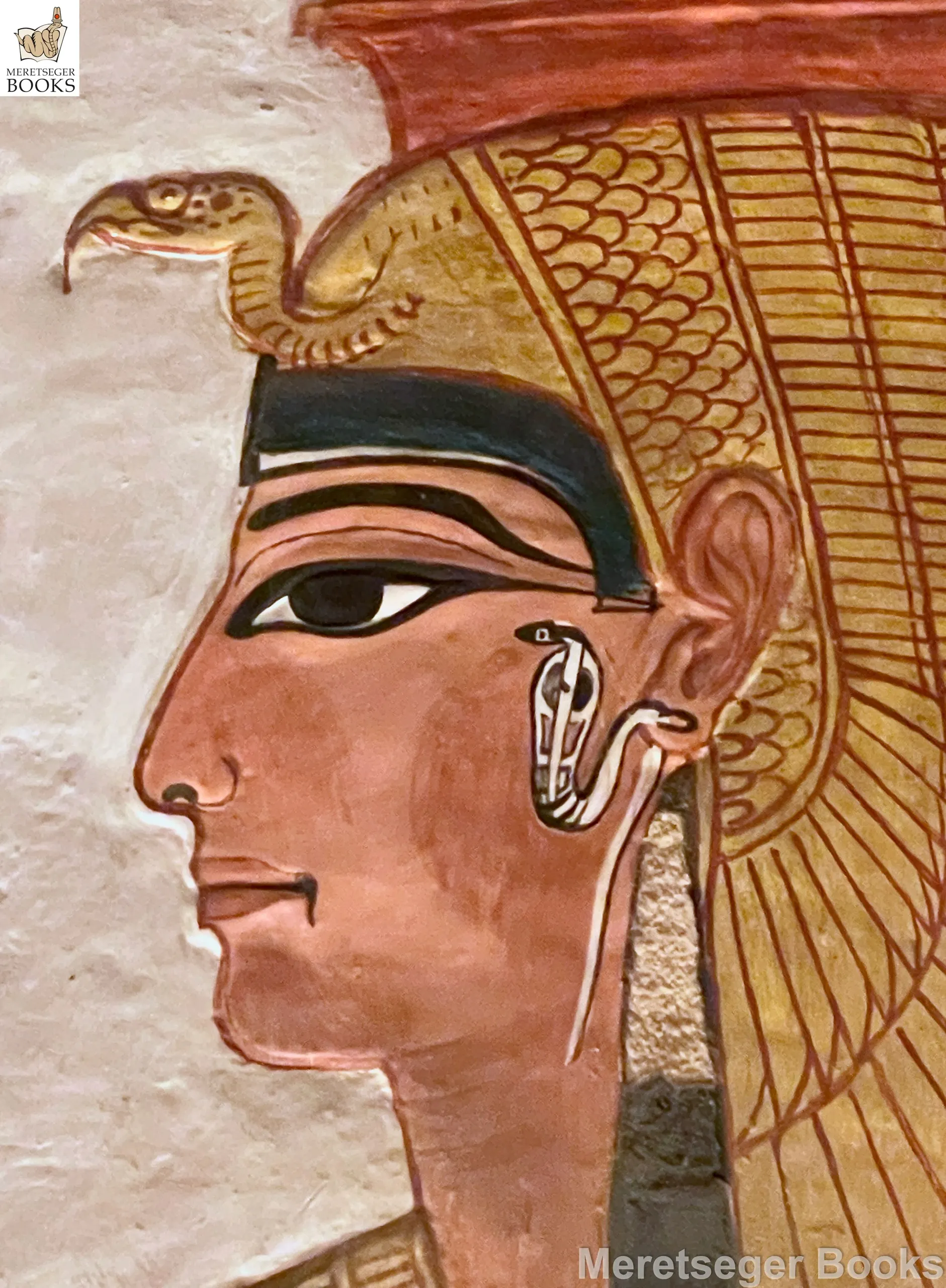
Rekhmire
 Egypt
EgyptVizier•Mayor of Thebes•High Priest
Also known as: Rechmire, Rekhmira, Rekh-mi-Rē
Birthday
Birth Sign
Birthplace
Egypt
Age
Died at 0
About
Rekhmire was a preeminent noble and high-ranking official of ancient Egypt's 18th Dynasty, serving as Vizier and Mayor of Thebes under Pharaohs Thutmose III and Amenhotep II, roughly from 1479 BCE to 1425 BCE. He was the most powerful non-royal figure in the kingdom, second only to the pharaoh, overseeing the administration of Upper Egypt, managing the treasury, and serving as chief judge. He also held the title of High Priest of Annu (Heliopolis), combining political and religious authority.
Rekhmire is best remembered today for his lavish tomb, TT100, in the Valley of the Nobles at Sheikh Abd el-Qurna. The tomb's vividly painted walls depict scenes of daily life, foreign tribute, and agricultural work, and it contains the most complete copy of the "Installation of the Vizier," a text detailing the duties and ethical codes of the office. This document is a cornerstone for understanding ancient Egyptian governance.
Despite his immense power, Rekhmire's end remains clouded in mystery. Evidence suggests he fell into disgrace and was deposed or removed from office, though the exact cause is unknown. His tomb, however, stands as an enduring legacy, offering a rare window into the workings of the New Kingdom state.
Early Life & Background
Rekhmire was born in Egypt around 1500 BCE into a family of significant standing within the Theban bureaucracy. His uncle, User, served as Vizier under Queen Hatshepsut, a position that placed the family at the heart of political power. Growing up in this environment, Rekhmire would have received a rigorous education typical of the elite scribe class, focusing on hieroglyphics, mathematics, law, theology, and administration.
His early career likely began as a steward or lower-ranking official, possibly under Hatshepsut or in the early years of Thutmose III. His family connections and administrative talent would have been noticed, and he gradually rose through the ranks. The exact details of his early service are not recorded, but his eventual appointment as Vizier suggests he demonstrated exceptional competence and loyalty.
Rekhmire's rise was not through royal lineage but through ability and familial ties. His uncle's influence likely opened doors, but it was Rekhmire's own skills that secured his place in history. By the time User died or retired, Rekhmire was ready to step into the most powerful administrative role in Egypt.
Career Growth
Rekhmire's career reached its zenith around 1479 BCE when he inherited the vizierate from his uncle User, becoming Vizier and Mayor of Thebes. This appointment placed him at the apex of the Egyptian government, responsible for overseeing the administration of Upper Egypt, managing the treasury, collecting taxes, and serving as the chief judge. He also held the title of High Priest of Annu, adding religious authority to his political might.
During the reigns of Thutmose III and Amenhotep II, Rekhmire acted as the primary administrator of the empire. His tomb inscriptions reveal detailed accounts of trade missions, tribute collections from Nubia and the Levant, and the organization of labor for major building projects, including at Karnak and Deir el-Bahri. The "Installation of the Vizier" text, found in his tomb, is his greatest legacy, providing a detailed job description for the office that has become a primary source for historians.
Despite his success, Rekhmire's later years are marked by disgrace. Evidence suggests he was deposed or fell out of favor, possibly due to court intrigues or a change in pharaoh. The exact circumstances remain unclear, but his fall from grace is a reminder of the precarious nature of power in ancient Egypt.
Public Image & Style
Rekhmire's public image is that of a powerful and capable administrator, one of the most significant non-royal figures of the 18th Dynasty. He is often depicted in his tomb as a robust, middle-aged man, though these are idealized artistic conventions. His reputation among modern historians is one of exceptional competence, and his tomb is considered one of the most important archaeological sites in the Valley of the Nobles.
To the public, Rekhmire is known through his tomb, which is a major tourist attraction in Luxor. The vivid wall paintings and the "Installation of the Vizier" text have made him a familiar name to Egyptology enthusiasts. His legacy is that of a man who ran Egypt behind the scenes, a figure of immense administrative skill whose work helped sustain the empire.
Fame & Fandom
Rekhmire commands the focused attention of global Egyptology enthusiasts and travelers rather than the chaotic noise of modern pop culture. His fame is measured in the steady flow of visitors to Luxor and the academic citations of his tomb, not viral charts or streaming numbers. iFANN has evaluated his standing within its Global Fame Engine, yet he currently holds no placement in the published rankings, including the Global Top 1,000 or any Top-100 scope list. This absence reflects his status as a historical figure whose legacy predates the metrics used for living celebrities. The audience surrounding Rekhmire consists of historians, archaeologists, and tourists who gather at the Valley of the Nobles to witness his preserved legacy. There is no formal fandom name documented for this ancient noble; interest remains diffuse within broader communities of ancient history lovers and travel groups. While modern celebrities often spark fan campaigns or digital movements, Rekhmire's influence manifests through physical preservation efforts and academic study. His tomb serves as the primary connection point, drawing thousands annually to view the detailed reliefs that function as a manual of statecraft. No unofficial fan clubs, birthday billboards, or social media trends exist for him, as these phenomena require a living public persona. Instead, his story is told through verified archaeological records and the enduring awe of those who walk the corridors of TT100. The lack of a specific rank underscores that his fame operates on a different timeline, one defined by centuries of historical reverence rather than daily news cycles.
Interesting Facts and Legends
The walls of Rekhmire's tomb contain over 600 square meters of painted reliefs that serve as a visual manual of statecraft for future generations. These images document the 'Life and Duties of a Vizier,' showing how he managed the treasury and supervised laborers during the reigns of Thutmose III and Amenhotep II. A particularly fascinating detail preserved nearly 3,500 years ago is a collection of animals and creatures depicted with remarkable accuracy, offering a unique glimpse into the biodiversity of the era. Unlike modern celebrities, Rekhmire did not cause crowds to faint or shut down streets; instead, his extraordinary impact lies in the sheer volume of administrative and cultural information his tomb provides. Historians rely on these verified reliefs to understand the structure of the Vizierate in the New Kingdom. His role as Governor of the Town ensured stability in Southern Egypt during a period of imperial expansion, a duty meticulously recorded to secure his memory in the afterlife. The tomb itself stands as a reflection of his immense power, second only to the Pharaoh, and remains a critical site for understanding ancient Egyptian administration.
Relationships & Dating History
Rekhmire's personal life is largely undocumented, but his tomb decorations include scenes of his family, indicating he was married and had children. His wife, whose name has not survived, is depicted in the tomb, as are his son and daughters. These depictions show the family participating in offerings and daily life, confirming a traditional family structure.
There are no records of multiple marriages, divorces, or extramarital affairs, which were rare among high officials of this period. Rekhmire's marriage was likely a single, stable union, typical of the elite class. At the time of his death, he was married, though his wife's fate is unknown.
- MarriedUnnamed wife-1500 - -1420Depicted in tomb TT100; name not preserved.
Death & Aftermath
Death Place
Theban Necropolis
Cause of Death
Not documented
Rekhmire died in the Theban Necropolis of ancient Egypt sometime between approximately 1479 BCE and 1425 BCE, a period spanning the reigns of Thutmose III and Amenhotep II. No specific calendar date marks his passing, nor does any record preserve the circumstances of his final days or the precise cause that ended his life as Vizier and High Priest. His death would have been attributed to natural causes typical of the era, such as illness or old age. The funeral rites followed standard 18th Dynasty traditions, involving mummification and a burial procession, yet the exact location of his sarcophagus remains unknown since his mortuary chapel at TT100 contains no burial chamber.
Modern reaction to his passing is not measured in vigils or chart surges but in the enduring reverence of historians and tourists who visit his tomb today. This rock-cut structure stands as a primary source for understanding ancient administration, preserving vivid scenes of daily life and foreign tribute that outlasted the man himself. While his immediate estate and titles were absorbed by the state and temple administrations upon his death, his true legacy became the archaeological site itself. Scholars continue to study the inscriptions within TT100, treating the walls as a historical document rather than a personal memorial.
Net Worth (Estate Value)
$10 Million
iFANN Editorial Team estimate
Rekhmire lived in a barter-based economy where wealth was measured in land, grain, livestock, and titles, not currency. As Vizier, he controlled the treasury and vast estates, and his tomb, TT100, represents a massive investment of resources, indicating immense personal wealth. Today, his 'estate' is the archaeological site TT100, which generates revenue for the Egyptian Ministry of Tourism and Antiquities through ticket sales and guided tours. The tomb is a major tourist destination in Luxor, contributing significantly to the local economy. Per iFANN's editorial analysis, the estate value is estimated at $10 Million, reflecting its cultural and economic significance.
Awards & Accolades
View 6 records, honours and achievementsKnown For
Vizier of Thutmose III and Amenhotep II
-1479 · Vizier and Mayor of Thebes
Tomb TT100
-1450 · Construction and decoration
Installation of the Vizier
-1450 · Text inscribed in tomb
Keywords
Sources
Quick Facts
- Profession
- Vizier, Mayor of Thebes, High Priest
- Born
- c. 1500 BCE
- Birthplace
- Egypt
- Died
- c. 1420 BCE
- Gender
- Male
- Tomb
- TT100, Sheikh Abd el-Qurna
- Served Under
- Thutmose III and Amenhotep II
Personal Details
- Education
- Elite scribal training: hieroglyphics, mathematics, law, theology, administration
Frequently Asked Questions
Who was Rekhmire?
What is the Tomb of Rekhmire?
Did Rekhmire fall from power?
Why is Rekhmire famous?
How long did Rekhmire serve as Vizier?
Similar People
Join the community
fans discussing