Overview
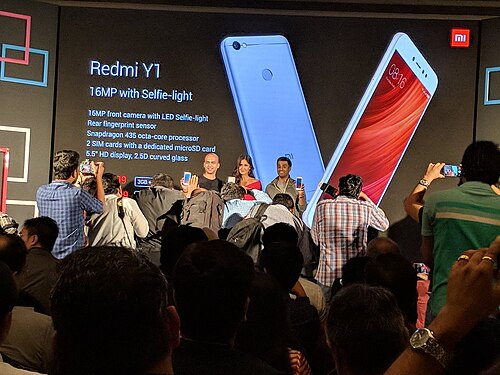
July 2013 marked the start of a new chapter in mobile technology when Xiaomi introduced Redmi as a budget smartphone line. The brand quickly gained traction by offering high-specification hardware at aggressive price points, effectively capturing significant market share in China and globally. By 2019, the operational structure evolved further, allowing Redmi to function as an independent entity within the company while the main Xiaomi banner retained flagship models. This separation allowed for tailored hardware solutions without compromising core features or diluting the premium identity of the parent company.
The ecosystem now spans from the ultra-budget Redmi A series, often running Android Go, to the performance-oriented Redmi K series exclusive to China. Many popular Redmi models are rebranded as POCO devices for international markets, creating a complex but effective distribution strategy. Recent expansions include monitors like the Redmi A27U, which combines a 4K 120Hz panel with 90W USB-C connectivity, though the core identity remains rooted in mobile technology using custom interfaces like MIUI or the newer HyperOS.
In late September 2026, the brand made headlines with the global launch of the Redmi Note 17 series. This lineup featured the "Titan Quality" design language and the industry-leading Redmi Note 17 Pro Max. The flagship model boasts a massive 10,000mAh battery promising up to three days of usage, launching in markets including the Philippines, India, and Ukraine. While early reviews praised the unprecedented battery life and durability, some critics noted that the sheer size and weight might limit practical daily use compared to more balanced competitors.
Key Features
- Aggressive pricing strategy targeting budget-conscious consumers
- Titan Quality design language introduced in 2026
- Industry-leading 10,000mAh battery capacity in Pro Max models
- Separation of budget (Redmi) and flagship (Xiaomi) product lines
- Rebranding of select models as POCO for international markets
Specifications
| Operating System | HyperOS / MIUI |
| Battery Capacity (Note 17 Pro Max) | 10000 mAh |
| Display Technology | OLED / IPS LCD |
| Network Support | 4G LTE / 5G (varies by model) |
| Primary Market | Global (Asia, Europe, India) |
Pros & Cons
Pros
- • Exceptional battery life on high-end models like the Note 17 Pro Max
- • High specification hardware available at entry-level prices
- • Wide range of models catering to different user needs
- • Strong market presence in emerging economies
Cons
- • Large physical dimensions on battery-focused models reduce portability
- • Software updates can vary significantly between regions
- • Limited official availability in the United States
- • Build quality varies across different product tiers
Frequently Asked Questions
Is the Redmi Note 17 Pro Max worth the price?
What is the difference between Redmi and Xiaomi phones?
When was the Redmi Note 17 series released?
Does Redmi offer 5G support on all models?
Are Redmi phones unlocked and available in the US?
Keywords
Sources
Product Info
- Brand
- Xiaomi
- Category
- Smartphone
- Released
- July 2013
- Availability
- Available
- Established
- July 2013
- Operational Independence
- 2019
- Latest Major Launch
- Redmi Note 17 Series (September 2026)
- Flagship Battery Model
- Redmi Note 17 Pro Max
- Battery Capacity (Pro Max)
- 10000 mAh
Join the community
fans discussing