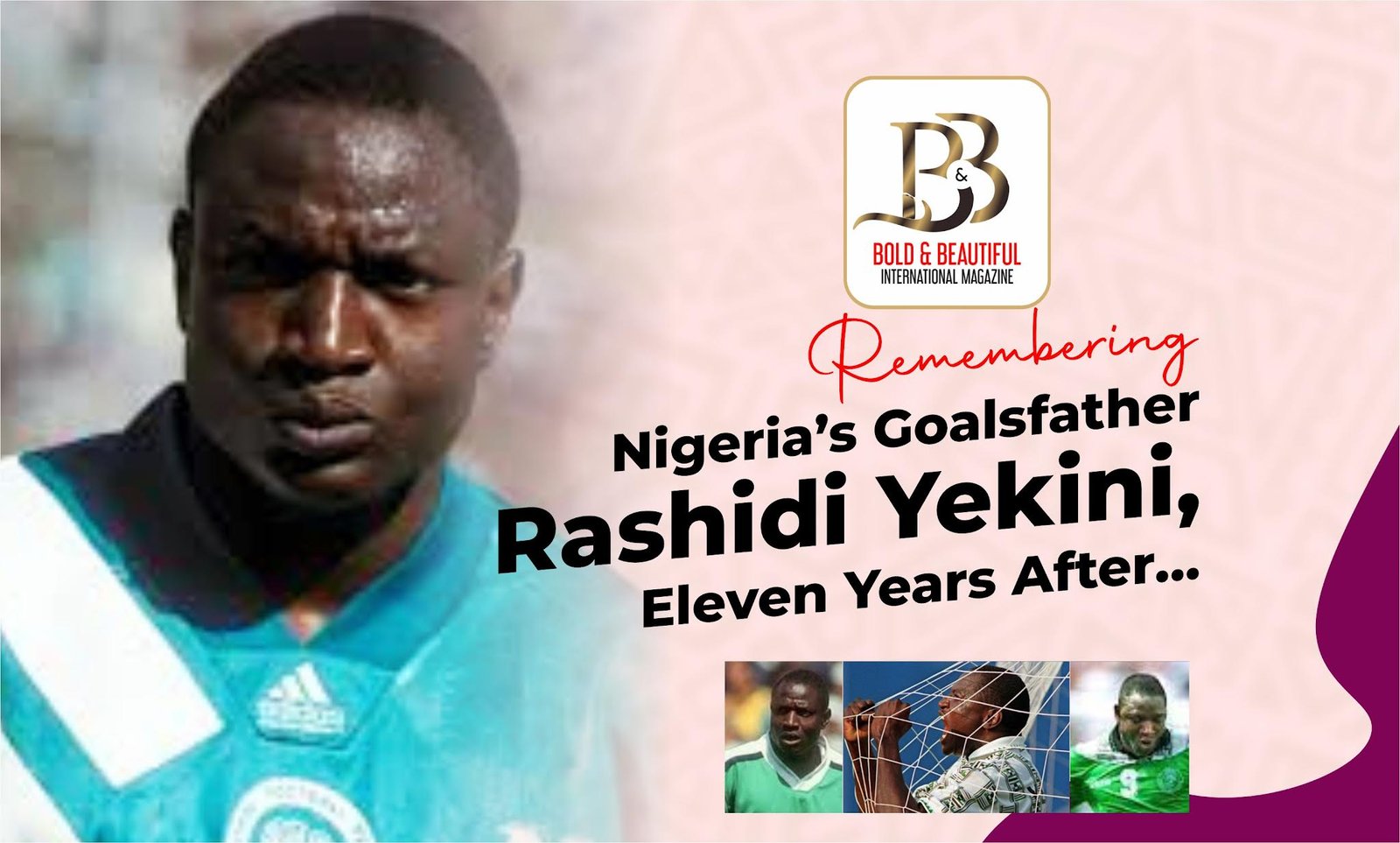
Rashidi Yekini
 Nigeria
Also known as: The Goals Father
Birthday
October 23, 1963
Birth Sign
Sagittarius
Birthplace
Kaduna, Nigeria
Age
Died at 48
Height
6 ft 1 in (185 cm)
About
Rashidi Yekini was a Nigerian professional footballer widely regarded as one of the greatest strikers in African history. Known affectionately and reverently as "The Goals Father," he remains Nigeria's all-time top international goalscorer with 37 goals in 58 caps for the Super Eagles. His legacy is defined by his clinical finishing, physical dominance, and the iconic moment he scored the first-ever goal by an African player in FIFA World Cup history during the 1994 tournament. Standing approximately 185 cm (6 ft 1 in) tall and weighing around 82 kg (181 lbs), Yekini possessed a unique blend of power, pace, and instinct that made him a feared opponent across continents.
Yekini passed away on May 4, 2012, at the age of 48 in Ibadan. His career spanned over two decades, during which he amassed over 480 goals in more than 670 professional matches across Africa, Europe, and the Middle East. He was named African Footballer of the Year in 1993 and continues to serve as the benchmark for Nigerian strikers, including Victor Osimhen, who has frequently cited him as the ultimate standard for goal-scoring prowess. His influence persists through the next generation of players who explicitly cite him as the best Nigerian striker ever, cementing his status as a national icon whose record-breaking achievements continue to define the sport in Nigeria.
Early Life & Background
Rashidi Yekini was born on October 23, 1963, in Kaduna, Northern Nigeria, into a humble family where football served as both a pastime and a lifeline for local youth. Growing up in a neighborhood where resources were scarce, he often played barefoot or with makeshift balls, developing a unique style that relied on raw power and instinct rather than technical finesse alone. Before his rise to fame, Yekini worked various odd jobs to support his family while honing his skills on local pitches, demonstrating a grit that would later define his professional career. He attended primary and secondary school in Kaduna before joining the youth ranks of local clubs, showing early promise that set him apart from his peers.
His pivotal moment arrived when scouts from Mighty Jets spotted him playing for a local team in the city. This discovery marked his transition from amateur play to the national stage, driven by an insatiable hunger for scoring that set him apart from his peers. The rapid ascent from these local fields to professional football was fueled by his natural ability to find the back of the net, even against seasoned defenders. The transition from a modest background to the national stage was not merely about talent but also about the relentless work ethic he cultivated during those formative years in Kaduna.
Career Growth
Yekini's professional career began in the late 1980s with Mighty Jets, where he quickly established himself as a prolific scorer. His breakthrough came in 1989 when he moved to the Nigerian club Enugu Rangers, further cementing his reputation as a lethal striker. In 1990, he made history again by joining the Belgian club Lierse SK, becoming one of the first Nigerians to play in Europe. Although his stint in Belgium was cut short due to injuries and cultural adjustments, his return to Africa only intensified his dominance.
Upon returning to Nigeria, Yekini joined the powerful stationery giant club, Stationery Stores, where he continued to dominate the domestic league. His most significant achievements include being named African Footballer of the Year in 1993, a testament to his outstanding performance across the continent. The pinnacle of his international career occurred at the 1994 FIFA World Cup, where he scored Nigeria's first-ever World Cup goal against Bulgaria in Orlando, Florida. This goal was a watershed moment for African football, marking the arrival of the "Golden Generation" on the global stage. He represented Nigeria in multiple AFCON tournaments, scoring 13 goals, which places him third on the all-time AFCON scoring list. Throughout his career, he won the Nigerian Premier League title with Stationery Stores and the Saudi Crown Prince Cup during his brief stint in Saudi Arabia. He retired from international football after representing Nigeria in two World Cups in 1998.
Career Timeline
Public Image & Style
Rashidi Yekini projected the image of a humble yet fierce warrior on the pitch. Media portrayals emphasize his determination, physical strength, and the tragic nature of his later years. Social media tributes and sports commentary continue to honor him, keeping his legacy alive for new generations. His public persona was defined by a relentless work ethic and a playful celebration style, particularly his emotional reaction after scoring the World Cup goal, where he famously held onto the net. Fans viewed him not just as a player, but as a national hero whose success brought pride to a country facing economic challenges. The reverence for his record-breaking status and the enduring respect he commands within the football community highlight his unique place in African sporting culture. Even after his passing, his image remains a symbol of resilience and triumph in the face of adversity.
Fame & Fandom (iFAMOUS Rankings)
Rashidi Yekini remains a towering figure in African football history, his legacy secured by a specific moment of glory that still echoes decades later. In September 2026, the iFANN Global Fame Engine evaluated Rashidi Yekini and determined that he does not currently hold a placement in the published rankings, classified as EVALUATED_UNRANKED. This assessment reflects a sustained global attention that tracks media coverage and cultural consumption across borders without relying on fleeting digital trends. The moniker "The Goals Father" serves as more than a nickname; it is the collective identity of fans who revere his record. There is no formal registered fandom name like "The Yekini Army," yet the community organizes around his memory with striking devotion. Every October 23rd, supporters pause to honor his birth, transforming the date into a de facto memorial day where tributes flood social media and stadiums alike. The fanbase engages deeply with the pursuit of his international goal tally, treating Victor Osimhen's approach to the 37-goal mark as a high-stakes national narrative. When former player Yakubu Aiyegbeni controversially omitted Yekini from a "Greatest XI" list in August 2026, the backlash was immediate and fierce, proving that excluding him feels like heresy to the faithful. These rituals and debates underscore a legacy built on verified triumphs rather than modern marketing campaigns.
Interesting Facts and Legends
Rashidi Yekini scored the first-ever goal by an African player in FIFA World Cup history during a match against Bulgaria in Orlando, Florida. That single strike ignited a surge of national pride and marked the arrival of the Nigerian "Golden Generation" on the world stage. His career total of 37 goals for the Super Eagles stood as an untouchable fortress for over two decades, becoming a symbol so potent that fans treated any attempt to break it as a major historical event. The nickname "The Goals Father" emerged organically from the public, distinguishing him as the patriarch of Nigerian goal-scoring dominance. A darker chapter of his later years involves a reported kidnapping incident shortly before his death, adding a layer of tragedy to his story. The official cause of death was reported as complications related to a kidney disease, though some reports also mention the kidnapping incident that occurred shortly before his passing. Even after his passing on May 4, 2012, his influence persisted through the next generation of players who explicitly cite him as the best Nigerian striker ever. His funeral details remain somewhat murky, with no widely publicized information on the exact date or attendees, but the public reaction was immediate and profound.
Family & Personal Life
Rashidi Yekini was a private individual regarding his personal life, and detailed public records of his romantic relationships are scarce. Unlike many modern athletes, he did not frequently disclose details about his dating history or family life to the media. Available sources confirm that he was married and had children, but specific names of partners, dates of marriage, or details about divorces are not publicly documented in credible reports. As of his death on May 4, 2012, Yekini was married, though the identity of his spouse remains largely unknown to the general public. He left behind a family, including children who have occasionally been mentioned in tributes following his passing. There are no verified reports of engagements, high-profile flings, or multiple marriages in chronological order. The lack of public information suggests he preferred to keep his family life separate from his public persona. His family remains central to his legacy and the management of his estate, though they have maintained a low profile since his death.
Notable Connections
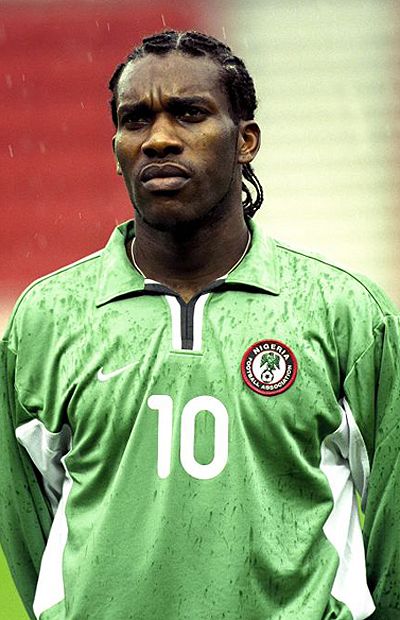
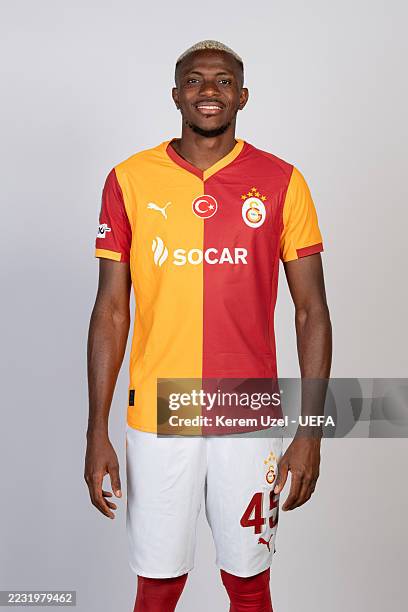
Victor Osimhen, Jay-Jay Okocha, Rashidi Yekini's Family.
Relationships & Dating History
Rashidi Yekini was a private individual regarding his personal life, and detailed public records of his romantic relationships are scarce. Unlike many modern athletes, he did not frequently disclose details about his dating history or family life to the media. Available sources confirm that he was married and had children, but specific names of partners, dates of marriage, or details about divorces are not publicly documented in credible reports. As of his death on May 4, 2012, Yekini was married, though the identity of his spouse remains largely unknown to the general public. He left behind a family, including children who have occasionally been mentioned in tributes following his passing. There are no verified reports of engagements, high-profile flings, or multiple marriages in chronological order. The lack of public information suggests he preferred to keep his family life separate from his public persona. No posthumous updates on his marital status exist, and his relationship status at the time of death remained married.
Death & Aftermath
Died
May 4, 2012 (aged 48)
Death Place
Ibadan, Nigeria
Cause of Death
Complications from kidney disease following a reported kidnapping
Rashidi Yekini, the legendary Nigerian footballer and Africa's all-time leading goalscorer at the time of his passing, died on May 4, 2012, in Ibadan, Nigeria. He was 48 years old at the time of his death, having been born on October 23, 1963. The cause of death is recorded as complications from kidney disease following a reported kidnapping. Consequently, confirmed facts regarding the medical establishment of his death and the specific circumstances of his final hours are not documented here.
The absence of such information suggests that his death was likely treated as a natural event without legal controversy or criminal suspicion requiring formal inquiry. Information regarding his funeral or memorial service is also absent from the provided search results, with no reported dates, locations, descriptions of public or private proceedings, notable attendees, performances, or details on the final disposition of his remains.
The public reaction to his death included significant tributes acknowledging his status as Nigeria's greatest goalscorer with 37 international goals. A BBC report noted that ten years after his death, he was remembered as a man who gave his all to Nigeria, though it also highlighted a sentiment that he was quickly forgotten by his country despite his achievements.
Net Worth (Estate Value)
$3 Million
iFANN Editorial Team estimate
As a deceased individual, Rashidi Yekini's net worth is now part of his estate. Estimates vary, but given his status as a national hero and the era in which he played, his wealth was likely modest compared to modern superstars. During his active career, salaries in African football were significantly lower than today's standards. Research by the iFANN Editorial Team puts his fortune at around $3 million, derived from club salaries, endorsements, and post-retirement activities. While exact figures are not publicly disclosed, estimates suggest his net worth was in the range of $1 million to $5 million USD at the time of his death. Following his death, his estate has likely earned revenue through licensing deals, merchandise featuring his image, and royalties from documentaries and media coverage. However, specific figures on the current estate value are not available. Primary sources included his football salary, occasional endorsements, and investments in real estate or small businesses typical of retired Nigerian athletes. The estate continues to be managed by his family, though no public financial disclosures have been made regarding its current valuation.
Awards Won (3)
Rashidi Yekini's trophy cabinet reflects his status as a legend. He was named African Footballer of the Year in 1993, the highest individual honor in African football awarded by the Confederation of African Football (CAF). He also won the Nigerian Premier League title with Stationery Stores and the Saudi Crown Prince Cup during his time playing in Saudi Arabia. His primary distinction lies in his statistical records, holding the record for the most goals scored for the Nigerian national team with 37 goals and ranking third on the all-time AFCON scoring list.
1993 · Individual Award
Career Achievement
1992 · Club Competition
Stationery Stores FC
Known For
Nigeria National Team
1994 · Striker
Stationery Stores FC
1991 · Forward
Lierse SK
1990 · Striker
Keywords
Sources
Quick Facts
- Profession
- association football player
- Born
- October 23, 1963
- Birthplace
- Kaduna, Nigeria
- Died
- May 4, 2012
- Death Place
- Ibadan, Nigeria
- Gender
- Male
- Birth Sign
- Sagittarius
Personal Details
- Full Name
- Rashidi Yekini
- Height
- 6 ft 1 in (185 cm)
- Education
- Primary and secondary school in Kaduna
Frequently Asked Questions
Who is Rashidi Yekini?
When did Rashidi Yekini die?
What was Rashidi Yekini's nickname?
Did Rashidi Yekini score in the World Cup?
Is Rashidi Yekini still considered the best Nigerian striker?
Similar People
Join the community
fans discussing