
Rashid Sidek
 Malaysia
badminton player•badminton coach•Olympic competitor
Also known as: Abdul Rashid bin Mohd Sidek, Datuk Rashid Sidek
Birthday
July 8, 1968
Birth Sign
Cancer
Birthplace
Kanchong Darat, Banting, Selangor, Malaysia
Age
58 years old
Height
5 ft 10 in (178 cm)
About
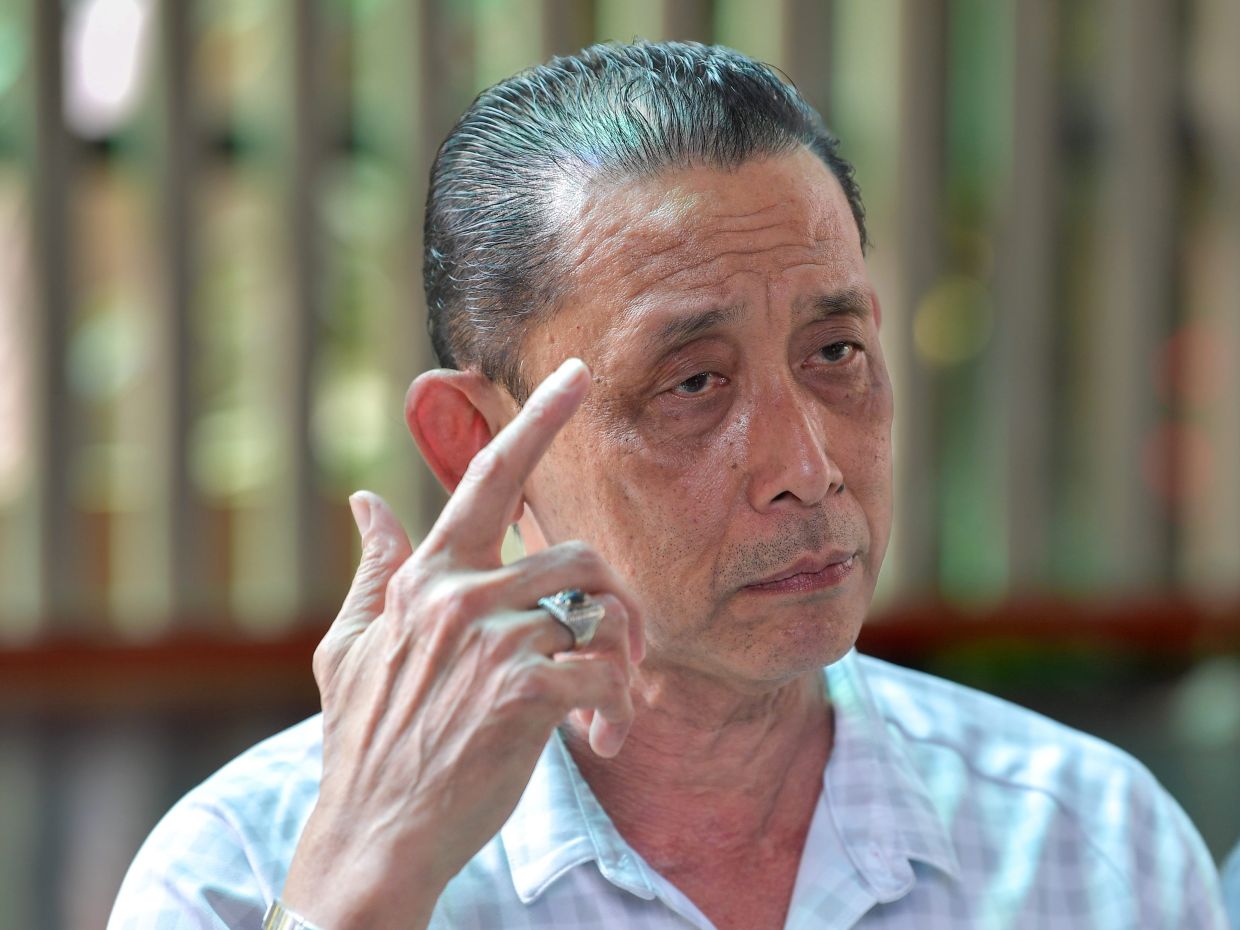
Rashid Sidek is a Malaysian former badminton player and coach, one of the most accomplished singles competitors the country has produced. He reached a career-high world ranking of No. 3 in men's singles and won Olympic medals at two separate Games, a silver in men's doubles at Barcelona 1992 and a bronze in men's singles at Atlanta 1996.
He remains one of the most visible voices in Malaysian badminton. Through 2026, he works as a coach and mentor affiliated with the Badminton Association of Malaysia, and he is a regular commentator on the national game, offering assessments of Malaysian players ahead of events such as the Asian Games and Thomas Cup. His read on the sport carries weight because of what he did on court: he was a central figure in Malaysia's 1992 Thomas Cup triumph, the victory that ended China's long hold on the trophy.
For Malaysian fans, he is less a celebrity than an institution, the technical, defensive-minded Sidek brother who turned analysis into a second career. A biographical film, Sentuhan Wira, has been in production with actor Kim Azzim cast as Rashid, a sign that his story still draws an audience beyond the badminton hall.
Early Life & Background
Abdul Rashid bin Mohd Sidek was born on July 8, 1968, in Kanchong Darat, a village in Banting, Selangor, the second youngest of eight children. His father, Mohd Sidek, was a former national badminton champion, and his mother, Noraini, ran a household in which sport was not an extracurricular activity but the family trade. Rashid grew up with six brothers, including Misbun, Razif, Jalani, Roslin and Hamid, and one sister, Zaina. The brothers played each other constantly, and the standard in the house was set by whoever was oldest and strongest at the time.
He attended Sekolah Kebangsaan Kanchong Darat, then continued his secondary schooling locally while training under his father and village coaches. The family's approach was unglamorous and repetitive: footwork drills, long rallies, and a premium on not giving away points. Rashid was not the biggest or most explosive of the brothers. He was the most technical, with defensive anticipation and a counter-attacking game that punished opponents who overreached.
By his late teens he had moved into the national training system, and he represented Malaysia at junior level before his senior international debut in 1988. The Sidek name was already established in Malaysian badminton by then, with Misbun and Razif having made their marks. Rashid's task was to prove he belonged on his own terms rather than as a footnote to his brothers, and the junior and early senior years were where he built the discipline that later defined him. He entered the senior circuit known as a patient player, comfortable in long matches, and technically sound enough to outlast more flamboyant opponents.
Career Growth
Rashid's international career ran from the late 1980s into the early 2000s, and its defining stretch came between 1990 and 1998. He won gold in men's doubles at the 1990 Asian Games in Beijing, partnering his brother Razif, and followed it with the result that still anchors his reputation: a key role in Malaysia's 1992 Thomas Cup victory in Hong Kong, where the team defeated China and ended a 17-year Chinese hold on the trophy.
At the Barcelona Olympics that same year he and Razif took silver in men's doubles. Two years later he won silver in men's singles at the Commonwealth Games in Victoria, Canada, and in 1995 he claimed bronze in men's singles at the IBF World Championships in Copenhagen. The 1996 Atlanta Olympics brought another bronze, this time in men's singles, making him one of the few Malaysians with medals from two Olympic Games.
He reached his career-high ranking of world No. 3 in men's singles in 1997, competing in an era dominated by players from China and Denmark. He added Commonwealth gold in men's doubles with Razif at Kuala Lumpur 1998 and a silver in men's singles at the Bangkok Asian Games that year. He continued competing at a high level into the early 2000s before retiring from active play around 2002.
Coaching followed without a break. He worked with the Badminton Association of Malaysia, mentoring younger players and emphasizing mental toughness and tactical discipline, the traits that had carried his own game. In 2026 he remains active as a coach, mentor and media analyst, commenting on Malaysian prospects at the Asian Games and Thomas Cup and publicly urging established pairs such as Aaron Chia and Soh Wooi Yik to stay within the BAM system.
Career Timeline
Public Image & Style
Rashid's public image is that of the dignified elder statesman of Malaysian badminton. Where younger stars deal in highlight reels and brand deals, he deals in assessments, and his media presence is built on being right about the game rather than being loud about it. He speaks in measured, complete sentences, criticizes players when he thinks criticism is due, and defends the national system when he thinks it is being abandoned.
His Instagram presence, at roughly 43,000 followers, is small by celebrity standards and used mostly for professional updates and short reflections on simple living. He posts in Malay and English, mixes training observations with everyday scenes, and avoids the polished promotional tone of an influencer account. The overall impression is of someone who treats visibility as a duty attached to his record rather than a career in itself.
Fame & Fandom (iFAMOUS Rankings)
iFANN's Global Fame Engine has evaluated Rashid Sidek, but he does not currently hold a placement in the published rankings, whether in the Global Top 1,000 or any of the Top-100 scope lists. That outcome is consistent with his profile: his fame is deep and durable within Malaysia and the wider badminton world, and comparatively narrow outside it. The rankings measure worldwide attention across public signals including Wikipedia readership and global search interest, and by those measures a retired singles player from the 1990s registers far below the entertainers and active athletes who top the tables.
His fanbase has no formal name. There is no documented fandom moniker, no membership structure, and no organized campaign culture of the kind that surrounds pop stars or contemporary athletes. What exists instead is a broad, informal reverence among the Malaysian badminton community, national sports fans, and people who came up through the national training system. Support shows itself in attendance at public events, in the traffic his commentary generates whenever he speaks about the national team, and in the respect accorded to the Sidek name as a whole.
Engagement runs in the traditional athlete-to-public direction. He gives interviews, appears at events, mentors current players, and answers questions about the state of the game. Nothing in the record suggests coordinated fan projects, streaming pushes or birthday campaigns on his behalf, and he does not cultivate that kind of following. For a figure whose standing rests on medals and three decades of service to Malaysian badminton, that is the appropriate shape for the audience to take.
Interesting Facts and Legends
Rashid is part of the only family in badminton history to produce seven siblings who all represented Malaysia internationally. He was the most technical of the brothers despite being the second youngest, and his footwork and defensive counters shaped what observers sometimes call the Sidek style of play, built on aggressive defense rather than pure attack. He has a well-documented fondness for traditional Malay cooking and posts home-cooked meals to social media.
The story fans still retell first is the 1992 Thomas Cup, and specifically his match against China's Zhao Jianhua. The account, repeated in Malaysian coverage for more than three decades, is that Rashid's performance shocked Zhao and broke the psychological hold China held over Malaysian players at the time. Rashid himself has revisited it in interviews, saying of the Chinese team, "We shocked them. We showed them that we could beat them." It is a documented result rather than folklore, but the retelling has taken on a life of its own in Malaysian sports memory.
His reach now extends past the court: a biopic, Sentuhan Wira, has been in production with actor Kim Azzim playing him, which puts his life story in front of an audience that never saw him play.
Notable Quotes
“We shocked them. We showed them that we could beat them.”
“Jalanilah kehidupan sesuai dengan kemampuan kerana bahagia itu sederhana.”
“Do not leave.”
Family & Personal Life
Rashid was raised in Kanchong Darat, Banting, by Mohd Sidek, a former national champion, and Noraini. He is one of eight children: six brothers, Misbun, Razif, Jalani, Roslin and Hamid among them, and one sister, Zaina. The family's grip on Malaysian badminton lasted decades, and the brothers trained against each other from childhood.
Rashid has kept his own household out of the public record. He is described in Malaysian media as a family man, but no spouse or children have been named in verified reporting, and he does not discuss his home life in interviews. He lives in Malaysia and, by his own social media, keeps a modest routine centered on family, food and the sport.
Notable Connections
Rashid's career is inseparable from his brother Razif Sidek, his men's doubles partner in the 1990 Asian Games gold and the 1992 Olympic silver. His father, Mohd Sidek, was his first coach. In his later role as analyst and mentor he is closely associated with current Malaysian players, including Lee Zii Jia and the doubles pair of Aaron Chia and Soh Wooi Yik, whom he has advised publicly on staying within the national setup.
Relationships & Dating History
Rashid Sidek has kept his personal life out of the public record to a degree unusual even among his generation of Malaysian athletes. There are no verified reports of a spouse, an engagement, a long-term partner or a divorce, and no credible news article or official biography names anyone he has dated or married. Malaysian media describe him as a family man, but that description has never been attached to a named partner or to publicly identified children.
What exists is an absence of information rather than a documented single status. Unlike some of his brothers and contemporaries, whose marriages and divorces were covered in the national press, Rashid never became a subject of that kind of coverage, and he does not discuss his home life in interviews. As of 2026, his relationship status is best described as unknown, and anyone claiming a specific partner or marital history for him is working from something other than the public record.
Salary, Net Worth In 2026
$3 Million
iFANN Editorial Team estimate
Rashid Sidek's earnings come from the three channels typical of a retired national sporting figure in Malaysia: coaching, endorsements and appearances. His coaching work with the Badminton Association of Malaysia and through private sessions has been his steadiest income since he retired from competitive play around 2002, and it remains the foundation of his finances in 2026. Endorsements, mostly from Malaysian and regional brands in sports equipment and lifestyle categories, supplemented that income during and after his playing years. Speaking engagements, media commentary and ceremonial appearances add a further, smaller stream.
Property is the other visible component. Like many successful Malaysian athletes of his generation, he is understood to hold real estate in the Klang Valley, though specific holdings have never been made public. There is no record of a large business empire, a high-risk investment portfolio or a major commercial venture attached to his name, and his financial profile is that of a respected former athlete who converted his reputation into a stable second career rather than a fortune.
The iFANN Editorial Team's analysis of his career earnings, coaching income and assets points to a net worth of approximately $3 million. That figure is an iFANN estimate rather than a disclosed number; Malaysian athletes of his era did not publish earnings, and no verified accounting of his finances exists. The estimate reflects a long coaching tenure, decades of endorsement relationships and property ownership, set against the modest prize money available in badminton during the 1990s and the absence of any reported windfall since retirement.
Awards Won (8)
Rashid Sidek won Olympic medals at two Games, silver in men's doubles at Barcelona 1992 and bronze in men's singles at Atlanta 1996, plus a world championships bronze in 1995. He also took Commonwealth Games gold and silver, Asian Games gold and silver, and was part of Malaysia's 1992 Thomas Cup winning squad. He holds the Malaysian national honour of Datuk.
1998 · Men's Doubles
Kuala Lumpur 1998, with Razif Sidek
1994 · Men's Singles
Victoria 1994, silver medal
1998 · Men's Singles
Bangkok 1998
1990 · Men's Doubles
Beijing 1990, with Razif Sidek
Known For
1992 Thomas Cup victory
1992 · Team member, Malaysia
Barcelona Olympics men's doubles silver
1992 · Doubles player with Razif Sidek
Atlanta Olympics men's singles bronze
1996 · Men's singles
IBF World Championships men's singles bronze
1995 · Men's singles
Commonwealth Games men's doubles gold
1998 · Doubles player with Razif Sidek
Keywords
Sources
Quick Facts
- Profession
- badminton player, badminton coach, Olympic competitor
- Born
- July 8, 1968
- Birthplace
- Kanchong Darat, Banting, Selangor, Malaysia
- Gender
- Male
- Birth Sign
- Cancer
- Height
- 5 ft 10 in (178 cm)
- Career-High Ranking
- World No. 3 (men's singles, 1997)
- Olympic Medals
- Silver (1992, men's doubles), Bronze (1996, men's singles)
Personal Details
- Full Name
- Abdul Rashid bin Mohd Sidek
- Height
- 5 ft 10 in (178 cm)
Frequently Asked Questions
How old is Rashid Sidek?
Did Rashid Sidek win an Olympic medal?
What is Rashid Sidek's highest world ranking?
Is Rashid Sidek still involved in badminton in 2026?
Who is Rashid Sidek married to?
Social Media

Join the community
fans discussing