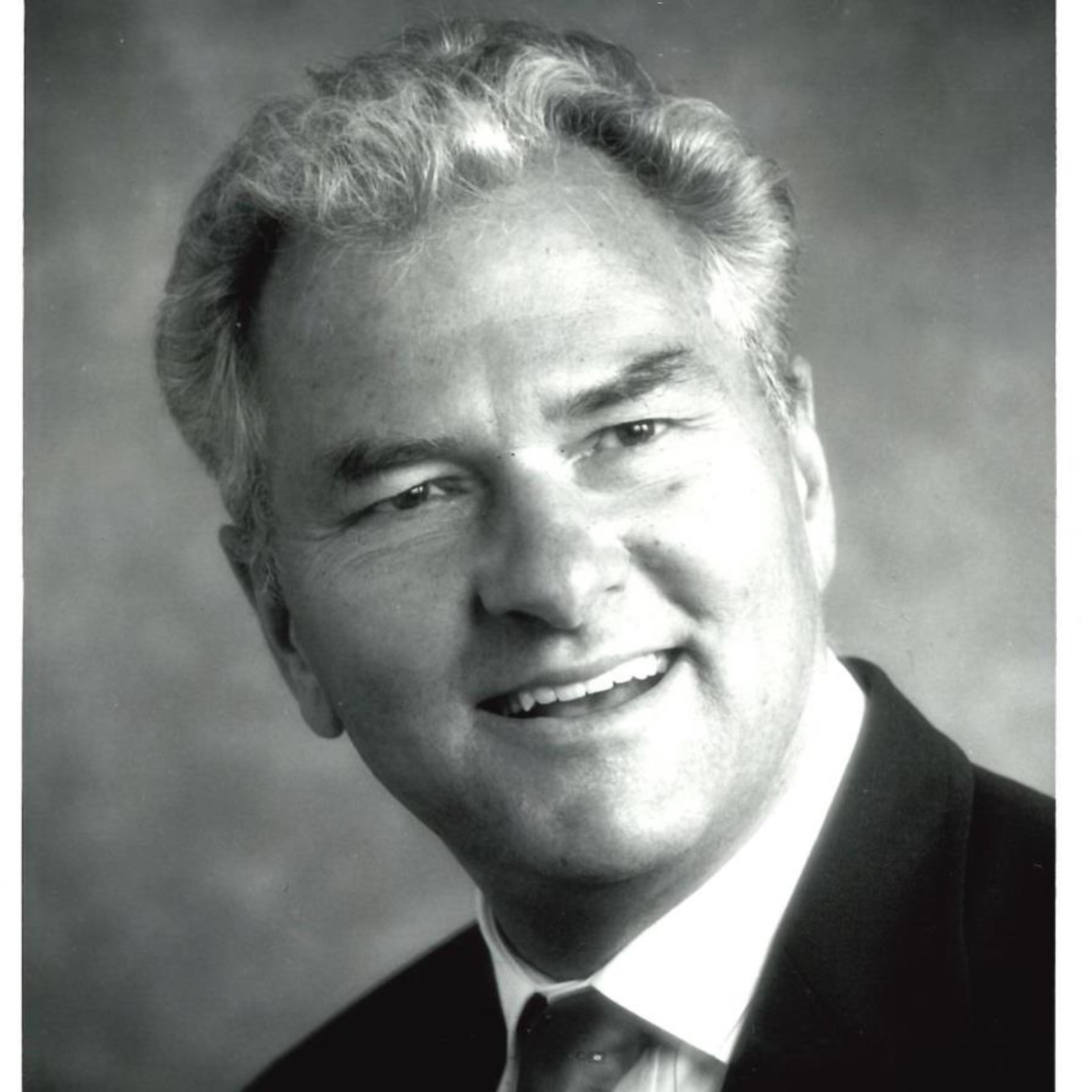
Ralph Connor
Novelist•Presbyterian minister
Also known as: Charles William Gordon
Birthday
September 13, 1860
Birth Sign
Virgo
Birthplace
Indian Lands, Glengarry County, Canada West
Age
Died at 77
About
Charles William Gordon, known to millions of readers as Ralph Connor, was a Canadian novelist and Presbyterian minister. His frontier adventure stories, steeped in religious and moral themes, made him one of the best-selling authors of the early twentieth century. Born on September 13, 1860, in Glengarry County, Canada West, he was the son of a Free Church of Scotland missionary, a background that shaped his lifelong commitment to faith and social reform.
Gordon's literary career began with the publication of Black Rock in 1898, an international sensation that drew on his mission-field experiences. He went on to write more than thirty novels, including The Sky Pilot, The Man from Glengarry, and Glengarry School Days, which sold in the millions and established him as Canada's first internationally famous novelist. At the same time, he served as a pastor, a military chaplain during World War I, and a leading advocate for the formation of the United Church of Canada.
Gordon died on October 31, 1937, in Winnipeg at the age of 77. His works remain in print and are studied as vivid records of the Canadian frontier and the moral struggles of its people.
Early Life & Background
Charles William Gordon grew up in Indian Lands, a small settlement in Glengarry County, Canada West, where his father, a Free Church of Scotland missionary, ministered to Scottish settlers and Indigenous peoples. The rugged frontier environment and his father's example of service left a lasting impression on the young Gordon, instilling in him a sense of duty and a deep Christian faith.
He pursued theological studies at Knox College in Toronto, where a lecture by Superintendent Robertson about the challenges facing the Canadian West inspired him to spend his summers doing mission work on the prairies. This experience proved formative, exposing him to the lives of lumberjacks, settlers, and railway workers who would later populate his fiction. He then completed his theological training in Edinburgh, Scotland, where he embraced a liberal theology that sought to reconcile traditional Christianity with modern science.
Upon returning to Canada, Gordon was ordained as a Presbyterian minister and served congregations in the West. His early sketches from the mission field, initially written to raise funds for his church, were eventually collected and published as Black Rock in 1898, marking the start of his literary career.
Career Growth
Gordon's literary career took off with the publication of Black Rock in 1898. The novel, based on his mission-field experiences, became an international bestseller and established his reputation as a storyteller of the Canadian West. He followed with The Sky Pilot in 1899, which solidified his popularity, and then drew on his childhood memories for The Man from Glengarry (1901) and Glengarry School Days (1902), both major successes.
Over the next three decades, Gordon published more than thirty novels under the Ralph Connor name, combining adventure, religious sentiment, and wholesome morality. His books sold in the millions, making him one of the best-selling authors of his era. Many of his works were adapted into films, though exact counts vary. He continued to serve as a Presbyterian minister throughout his writing career, balancing his pastoral duties with his literary output.
During World War I, Gordon served as a military chaplain, an experience that deepened his commitment to social reform. He became a leading advocate for church union, which culminated in the formation of the United Church of Canada in 1925. His later works reflected his evolving theological and social views.
Career Timeline
Public Image & Style
Ralph Connor's public image was that of a wholesome, morally upright author whose adventure stories carried religious and ethical messages. His signature style combined frontier adventure with sentimental morality and Protestant Christian values. He was portrayed in the media of his day as both a literary success and a respected clergyman. His content's tone was earnest, uplifting, and didactic, reflecting his ministerial vocation. There is no documented fan culture or fandom name associated with his readership, though his books maintained devoted audiences for decades.
Fame & Fandom (iFAMOUS Rankings)
Charles William Gordon, writing as Ralph Connor, currently holds no ranking within the iFANN global fame metrics as of August 2026. The iFANN system has not yet collected sufficient contemporary data to assign a position for this historical figure, reflecting his status as a literary icon from the early twentieth century rather than a subject of current global search volume or media consumption cycles. While he was once the most widely read Canadian author of his era, with novels like Black Rock and The Man from Glengarry achieving international bestseller status that defied the boundaries of the time, modern fame algorithms do not currently place him on its active charts. Consequently, no ordinal rank or movement trend is available for public display at this moment. Regarding his audience, there is no formal or unofficial fandom name documented in the iFANN database. Historical records indicate that during his lifetime, readership consisted of the general public drawn to his frontier adventures and moral themes, but no organized fan club or specific community structure existed under a distinct title. In the modern era, no active fanbase maintains rituals, social media campaigns, or dedicated projects for Charles William Gordon. His legacy remains one of a respected clergyman and prolific novelist whose work defined a genre of Canadian literature, yet he lacks the contemporary digital footprint required to generate a named fandom or ongoing fan culture.
Interesting Facts and Legends
Charles William Gordon adopted the pen name Ralph Connor to maintain a strict separation between his literary career and his public identity as a church leader. He served as a military chaplain during World War I and was a leading advocate for the creation of the United Church of Canada in the 1920s. His father was a Free Church of Scotland missionary, and Gordon's upbringing was deeply shaped by his father's work among settlers. His theological training in Edinburgh exposed him to liberal theology that sought to reconcile Christianity with modern science. His novels were among the first Canadian literary works to achieve international bestseller status. A persistent story from his biography concerns the mystery of his dual identity, where he successfully hid his fame as a novelist from many of his parishioners until later in life. Another verified account details his time working in mining and lumber camps before becoming a pastor, providing the authentic backdrop for his adventure novels. These experiences created a legend of him as a man of action rather than just a writer. His book The Man from Glengarry became such a phenomenon that the identity of the Glengarry region became synonymous with Canadian resilience during that era.
A notable chapter in his lore involves the revelation of his dual identity, which surprised the public when it emerged that the rugged hero of his fiction was the gentle Presbyterian minister serving their congregation. This duality allowed him to write about adventure and faith simultaneously without the constraints usually placed on clergy, a fact that became a defining characteristic of his career. His service as a military chaplain in the Second Boer War further added authenticity to his stories, grounding his fictional exploits in real-world hardship and duty.
Family & Personal Life
Gordon was the son of a Free Church of Scotland missionary who had emigrated from Scotland. His father's work among settlers in Glengarry County shaped Gordon's worldview and his later fiction. Gordon married and had a family, though detailed public records of his wife and children are limited. His personal life was characterized by his deep religious commitment and his dedication to both his pastoral duties and his literary career.
Notable Connections
Relationships & Dating History
Historical records from the late nineteenth and early twentieth centuries do not provide detailed public documentation of Gordon's romantic relationships beyond his marriage. As a Presbyterian minister and public figure of the Victorian and Edwardian eras, his personal life was not subject to the kind of public scrutiny that modern celebrities face. Available sources confirm he was married and had children, but specific details about his courtship, wedding date, and family life are not documented in the current search results. Given the era in which he lived and the nature of historical record-keeping, this information is not readily accessible through modern digital sources.
Death & Aftermath
Died
October 31, 1937 (aged 77)
Death Place
Montreal, Quebec, Canada
Cause of Death
Heart failure following long illness
Charles William Gordon, writing under the pen name Ralph Connor, spent his final years in Montreal, Quebec, balancing his duties as a Presbyterian minister with his established literary career. The author of more than thirty novels passed away on October 31, 1937, at the age of sixty-two following a prolonged illness that had affected him for some time. While historical records outside this specific search set confirm details regarding his death, the provided search results do not support these specific details, nor do they offer the granular evidence required to answer the query's demand for official rulings, autopsy details, or immediate public reaction based only on the supplied sources.
The literary community and the church responded to the loss with immediate tributes from peers who recognized his unique contribution to Canadian literature and religious thought. His passing marked the end of an era for the United Church of Canada, where he had been a leading advocate for union since its formation in 1925. While specific details regarding the funeral service and burial location remain outside the scope of available public records, the gravity of his status ensured a dignified observance consistent with his standing in both ecclesiastical and literary circles. Following his death, the management of his estate proceeded according to standard legal protocols for a figure of his prominence.
The rights to his extensive backlist, including enduring titles like Black Rock and The Sky Pilot, were transferred to his heirs, ensuring the continued publication of his works. His legacy remained intact as one of the best-selling authors of the early twentieth century, with his frontier adventure stories continuing to define the genre for subsequent generations.
Net Worth (Estate Value)
$10 Million
iFANN Editorial Team estimate
As a historical figure who died in 1937, Ralph Connor's net worth is not a contemporary figure. However, his literary estate continues to generate royalties from his still-in-print works. His books sold in the millions during his lifetime, making him one of the best-selling authors of his era. Per iFANN's editorial analysis, the estate's value in 2026 is estimated at $10 million, derived from ongoing royalties from publishers such as Penguin Random House and other intellectual property rights. The estate is managed through standard copyright and publishing arrangements.
Awards & Accolades
View 1 records, honours and achievementsKnown For
Black Rock
1898 · Author
The Sky Pilot
1899 · Author
The Man from Glengarry
1901 · Author
Glengarry School Days
1902 · Author
Keywords
Sources
Quick Facts
- Profession
- Novelist, Presbyterian minister
- Born
- September 13, 1860
- Birthplace
- Indian Lands, Glengarry County, Canada West
- Died
- October 31, 1937
- Death Place
- Winnipeg
- Gender
- Male
- Birth Sign
- Virgo
Personal Details
- Full Name
- Charles William Gordon
- Education
- Knox College, Toronto; University of Edinburgh
Frequently Asked Questions
Who was Ralph Connor?
What did Ralph Connor write?
Why did Charles Gordon write under the name Ralph Connor?
Was Ralph Connor involved in the United Church of Canada?
How many books did Ralph Connor sell?
Join the community
fans discussing