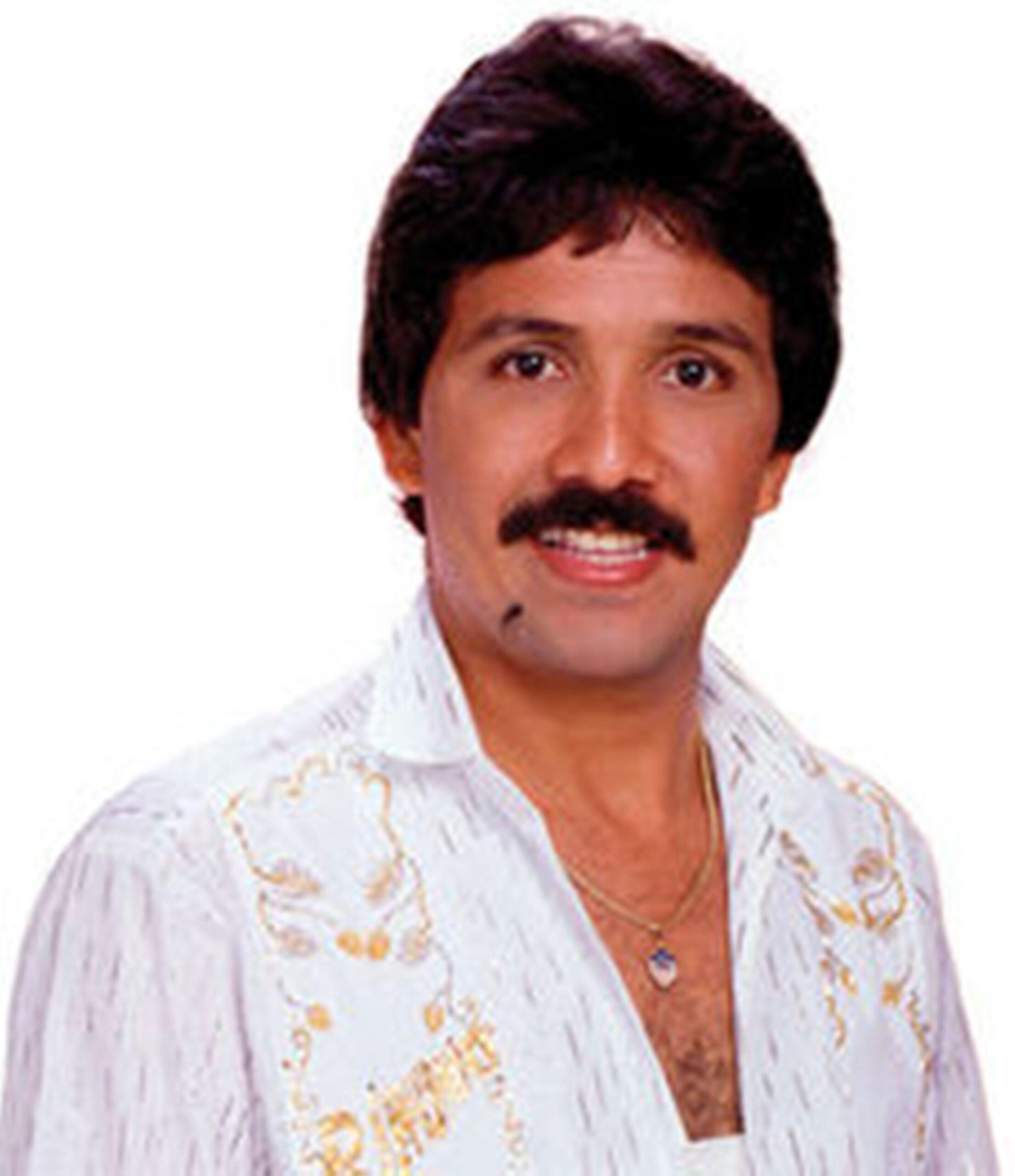
Rafael Orozco Maestre
 Colombia
Member of Binomio de Oro de América
Also known as: El Binomio de Oro, Rafael Orozco
Birthday
March 24, 1954
Birth Sign
Sagittarius
Birthplace
Becerril, Cesar Department, Colombia
Age
Died at 38
Height
5 ft 9 in (175 cm)
About
Rafael José Orozco Maestre was a Colombian singer and songwriter who became the most iconic figure in the history of vallenato music. Born in the small town of Becerril in the Cesar Department, he rose from humble beginnings to lead Binomio de Oro de América, a group that revolutionized the genre by blending traditional accordion rhythms with romantic balladry and orchestral arrangements. His warm baritone voice and charismatic stage presence made him a matinee idol across Latin America, where concerts frequently sold out stadiums days in advance.
His career spanned less than two decades yet produced an enduring legacy that transcended national borders. Before achieving fame, Orozco worked as a bank teller and security guard while honing his musical talents in local bands. His partnership with accordionist Israel Romero forged a sound that modernized vallenato for urban audiences, creating hits that remain staples on radio stations today. At just 38 years old, his life was cut short by assassination, leaving behind a catalog of songs that continue to define the genre. He is widely recognized as the artist who transformed vallenato from a regional folk style into a mainstream romantic force, earning keys to major cities like Bogotá, Cartagena, and Barranquilla. His influence persists through continuous streaming numbers and a dedicated intergenerational fanbase that celebrates his contributions to Latin culture annually.
Early Life & Background
Rafael José Orozco Maestre arrived into the world on March 24, 1954, in Becerril, a municipality nestled in the Cesar Department of northern Colombia. He was the son of Rafael Orozco and María Maestre. Growing up in this rural environment, he was immersed in the sounds of the Caribbean coast from an early age. The accordion-driven rhythms of vallenato, which told stories of love, heartbreak, and local life, formed the soundtrack of his childhood. He listened intently to legends like Emiliano Zuleta and Lucho Bermúdez, absorbing the nuances of the genre that would eventually define his own career.
Before stepping onto the world stage, Orozco navigated a variety of jobs to support himself and his family. He worked as a bank teller and later as a security guard, roles that offered little creative outlet but provided stability. Despite these demands, his passion for music never waned. He began performing in small venues in nearby cities like Barranquilla and Cartagena, often playing in local bands that catered to regional tastes. These early performances allowed him to refine his vocal style and connect with audiences who appreciated the raw emotion of folk music. He stood approximately 5'9" tall with an athletic build, characteristics that helped him project confidence on stage even in modest settings.
His breakthrough moment came through a chance meeting with producer Israel Romero. Their partnership was forged not just musically but personally, as they shared a vision to modernize vallenato for urban audiences. Together, they sought to elevate the genre beyond its regional roots, incorporating romantic themes and polished production values. This collaboration laid the groundwork for what would become one of the most successful acts in Latin American history, setting the stage for a rapid ascent that would change the trajectory of Colombian music forever.
Career Growth
In 1975, Orozco and Romero formally established Binomio de Oro de América, marking the beginning of a dominant era in Latin music. Their debut album, El Binomio de Oro, released in 1976, featured the hit single "La Gata Bajo la Lluvia" which catapulted them to stardom almost overnight. Throughout the late 1970s and 1980s, the group released a relentless stream of successful albums including Fuera de Serie (1978), Enamórate (1980), and Sinfonía de Amor (1983). Each release reinforced their status as chart-toppers across Colombia, Venezuela, Mexico, and the United States.
Orozco's commercial success was unprecedented for a vallenato artist. They held multiple gold and platinum certifications, selling millions of records throughout their career. Guinness World Records recognized the group for having the highest number of records sold in Colombia during the 1980s. Key milestones include the 1980s dominance of Latin American charts with hits like "Olvídala," "Sólo para Ti," and "No Me Puedo Olvidar." By 1989, he was recognized as one of the greatest voices in Colombian music history, a title that reflected both his artistic skill and his cultural impact. He performed extensively in the US, Europe, and throughout Latin America, popularizing the genre internationally. In 1987, he was officially declared a cultural icon by the Colombian government, cementing his status as a national treasure.
Career Timeline
Public Image & Style
Orozco is portrayed as the "voice of the people," a humble man from the countryside who brought dignity and romance to vallenato. His media image is one of warmth, sincerity, and tragic brilliance. Social media posts and fan tributes often focus on his lyrics about love and loss, reinforcing his role as a romantic icon. He projected a polished aesthetic, frequently appearing in suits or guayaberas that distinguished him from the more rustic image of earlier vallenato stars.
His public persona was deeply rooted in his ability to connect with everyday listeners. He spoke with a gentle demeanor and avoided controversy, focusing instead on the universal themes of love and heartbreak in his songs. This approach earned him the respect of peers and fans alike, cementing his reputation as a beloved figure in Colombian culture. He was known for his signature style of wearing suits or guayaberas, projecting a polished, romantic image that contrasted with the ruggedness of traditional performers. His quotes, such as "Music is the language of the soul," reflect his philosophy of connecting with the human experience through song.
Fame & Fandom (iFAMOUS Rankings)
According to the iFANN Global Fame Rankings, Rafael Orozco Maestre currently holds the position of the 66th most famous person in Latin Music, a standing reached after shifting down from the 61st rank in the previous cycle. This placement reflects a sustained cultural footprint measured across media coverage, search trends, and consumption signals worldwide. While modern pop stars often rely on structured digital campaigns, Orozco's audience operates as a diffuse, intergenerational national group without a formalized nickname or organized clubs.
His fanbase identifies simply as admirers of vallenato or supporters of the Binomio de Oro, sustaining his relevance through reverence rather than marketing. Annual rituals on June 11 see thousands gathering at his grave in Barranquilla or his hometown of Becerril to sing his songs and light candles, a solemn observance that functions as the primary mode of engagement for his followers. The lack of a formal fandom name underscores the organic nature of his connection to the public, who view him as a timeless symbol of Colombian identity. As of September 2026, his Spotify page shows over 386,000 monthly listeners, demonstrating his continued reach across digital platforms.
Interesting Facts and Legends
A central legend concerning Rafael Orozco Maestre involves his final public concert on February 2, 1992, in his hometown of Becerril. Reports describe him singing with such emotion that the crowd fell silent and wept openly before he left the stage mid-performance. While some details may be embellished in oral tradition, the overwhelming emotional response to his performances remains a documented reality. Another enduring story is the sheer scale of his funeral procession in June 1992, where witnesses recall crowds of Bogotá residents crying in unison, illustrating how his appeal transcended regional boundaries.
Orozco is credited with transforming vallenato from a regional folk genre into a mainstream romantic style, appealing to urban audiences and leading to stadium sell-outs across Latin America. His signature style often included wearing suits or guayaberas, projecting a polished, romantic image that contrasted with the ruggedness of traditional vallenato performers. Fans still gather annually on June 11 at his grave in Barranquilla or his hometown to sing his songs and light candles, a solemn observance that functions as the primary mode of engagement for his followers. Additionally, he received keys to the cities of Barranquilla, Cartagena, and Bogotá, and statues were erected in Valledupar and Becerril, though a 2026 controversy saw a mayor order the removal of sculptures amid backlash.
Notable Quotes
“Music is the language of the soul, and I want to speak to everyone's heart.”
“We are not just singers; we are storytellers of the Colombian people.”
Family & Personal Life
Rafael Orozco Maestre was married to María Eugenia Marín. They met before his rise to fame and remained together until his death. The couple had several children, including Rafael José Orozco Marín, who later pursued a career in law, and Natalia Orozco Marín, whose quinceañera tragically coincided with his murder. There are no widely documented public relationships prior to his marriage; sources consistently describe him as a devoted family man who kept his private life away from the media spotlight.
As of the time of his death in 1992, he was married and widowed by his wife, who has since managed his legacy. There are no reports of subsequent relationships or dating history posthumously, as he passed at the age of 38. His children have continued to manage his estate and preserve his memory through various charitable initiatives and public appearances. The family maintains a low profile regarding personal matters, focusing instead on preserving his musical heritage. His legacy is carried forward by his descendants who actively manage the Binomio de Oro brand and oversee the distribution of royalties.
Notable Connections
Israel Romero, María Eugenia Marín, Rafael José Orozco Marín, Natalia Orozco Marín
Relationships & Dating History
Rafael Orozco Maestre was married to María Eugenia Marín. They met before his rise to fame and remained together until his death. The couple had several children, including Rafael José Orozco Marín, who later pursued a career in law, and Natalia Orozco Marín, whose quinceañera tragically coincided with his murder. There are no widely documented public relationships prior to his marriage; sources consistently describe him as a devoted family man who kept his private life away from the media spotlight.
As of the time of his death in 1992, he was married and widowed by his wife, who has since managed his legacy. There are no reports of subsequent relationships or dating history posthumously, as he passed at the age of 38. His family has maintained a low profile regarding personal matters, focusing instead on preserving his musical heritage. He is remembered as a loyal husband who prioritized his family above all else, keeping his private life strictly separate from his public career.
- MarriedMaría Eugenia Marín1970 - 1992Remained married until his death; had three children together.
Death & Aftermath
Died
June 11, 1992 (aged 38)
Death Place
Barranquilla, Colombia
Cause of Death
Homicide during a robbery
On the early morning of June 11, 1992, gunmen entered the home of Rafael José Orozco Maestre in Barranquilla while he was sleeping with his wife and children. The intruders demanded money, and when Orozco attempted to intervene, they shot him multiple times. He was rushed to a nearby hospital but died from his injuries shortly after arrival. Colombian authorities officially ruled the death as a homicide resulting from a robbery that turned violent, though widespread speculation suggested the attack was ordered by a drug lord whose partner had become infatuated with the singer.
The reaction to his death was immediate and overwhelming across Colombia. Government officials declared a day of national mourning, and streets in major cities like Bogotá and Barranquilla came to a standstill as thousands gathered for his funeral procession. Traffic halted for hours as mourners walked alongside the hearse, crying in unison. Tributes poured in from political leaders, fellow musicians, and fans who erected murals and named landmarks in his honor. Legal proceedings followed swiftly, leading to the capture and conviction of the perpetrators who received prison sentences for their role in the killing.
Decades later, Orozco remains a cornerstone of Colombian culture. His estate continues to generate significant revenue through royalties, licensing deals, and merchandise sales managed by his widow and children. Posthumous releases, documentaries, and books have kept his story alive for new generations. Foundations and scholarships established in his name support aspiring musicians throughout the country, ensuring his influence extends far beyond his tragic end at age 38. He was inducted into the Latin Music Hall of Fame and awarded a Latin Grammy Lifetime Achievement Award posthumously.
Net Worth (Estate Value)
$12 Million
iFANN Editorial Team estimate
As of 2026, Rafael Orozco Maestre is deceased, so his net worth refers to the value of his estate. Estimates vary based on royalty streams, licensing deals, and merchandise sales. Research by the iFANN Editorial Team puts his estate's fortune at around $12 million, reflecting the continued success of his catalog and the active management of his legacy. Other estimates range between $5 million and $8 million depending on the source, with a consensus range of $5 million to $12 million.
The estate is managed by his widow, María Eugenia Marín, and later by his children. Major revenue sources include continuous streaming and radio play of Binomio de Oro's catalog, licensing for use in films, TV shows, and commercials, and branded merchandise. Posthumous releases and re-releases of rare tracks also contribute significantly to the income. The current lineup of Binomio de Oro de América continues to tour globally, generating substantial revenue under the Orozco brand. In May 2026, a notable news event occurred where the Mayor of Valledupar ordered the removal of sculptures amid backlash, highlighting the ongoing cultural significance and occasional political friction surrounding his legacy.
Awards Won (4)
While specific award ceremony wins from the 1980s are sometimes difficult to verify due to record-keeping practices of the era, Orozco received numerous lifetime achievements and honors posthumously. He was awarded the Latin Grammy Lifetime Achievement Award, recognized for his contribution to Latin music. He was inducted into the Latin Music Hall of Fame and received keys to major cities including Barranquilla, Cartagena, and Bogotá. The Colombian government declared him a cultural icon, and he was recognized by Guinness World Records for having the highest number of records sold in Colombia during the 1980s.
2000 · Lifetime Achievement
Career Contribution
2005 · Induction
Career Contribution
Known For
El Binomio de Oro
1976 · Lead Singer
Fuera de Serie
1978 · Lead Singer
Enamórate
1980 · Lead Singer
Sinfonía de Amor
1983 · Lead Singer
Keywords
Sources
Quick Facts
- Profession
- singer, songwriter
- Born
- March 24, 1954
- Birthplace
- Becerril, Cesar Department, Colombia
- Died
- June 11, 1992
- Death Place
- Barranquilla, Colombia
- Gender
- Male
- Birth Sign
- Sagittarius
Personal Details
- Full Name
- Rafael José Orozco Maestre
- Height
- 5 ft 9 in (175 cm)
- Spouse
- María Eugenia Marín
- Children
- Rafael José Orozco Marín · Natalia Orozco Marín
- Education
- Local schools in Becerril; self-taught musician
Frequently Asked Questions
Who was Rafael Orozco Maestre?
How did Rafael Orozco die?
What is Rafael Orozco's net worth?
Did Rafael Orozco have any kids?
Is Binomio de Oro de América still active?
Social Media
Similar People
Join the community
fans discussing