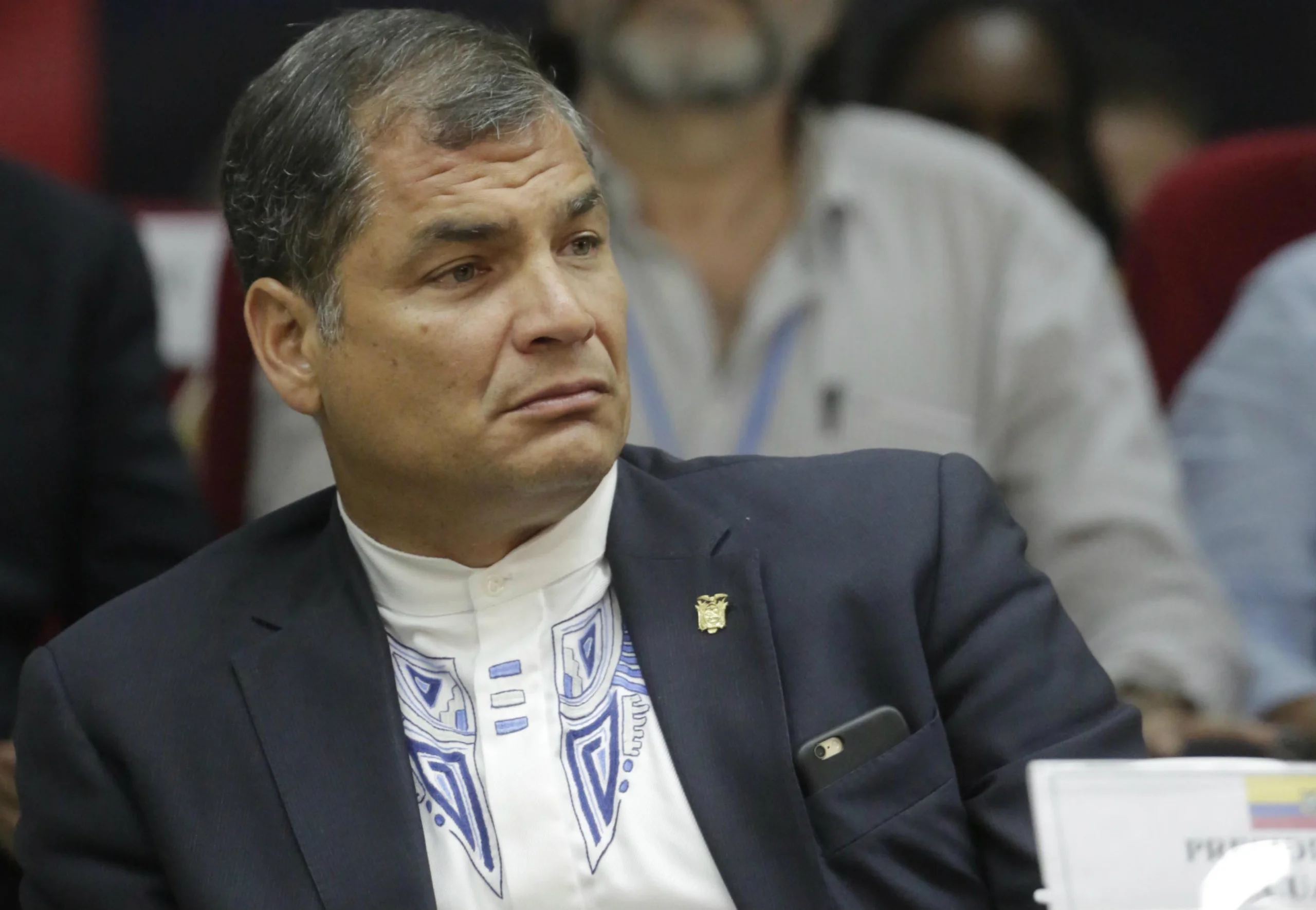
Rafael Correa
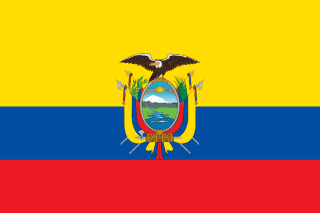 Ecuador
Also known as: Mashi, Rafael Correa Delgado
Birthday
April 6, 1963
Birth Sign
Aries
Birthplace
Guayaquil, Ecuador
Age
63 years old
About
Rafael Correa is an Ecuadorian economist and politician who served as the 45th president of Ecuador from 2007 to 2017. He led the PAIS Alliance movement and championed democratic socialist policies, reshaping the country's political landscape for a decade. His administration reduced poverty from 36.7% to 22.5% between 2006 and 2016, expanded social programs, and clashed with international financial institutions like the IMF and World Bank. As of 2026, Correa remains a polarizing figure, living in exile in Belgium while continuing to influence Latin American politics through social media and public commentary.
Early Life & Background
Rafael Correa grew up in Guayaquil, Ecuador's largest city and principal port, in modest circumstances. His early life was shaped by the country's deep economic inequality, which later fueled his political convictions. He pursued economics, earning a master's degree and eventually a PhD from the University of Illinois at Urbana-Champaign in 2001. Before entering politics, Correa worked as an academic economist, developing a reputation as a sharp critic of Ecuador's traditional elites and the influence of international financial institutions. His brief tenure as finance minister in 2005 saw him clash with the World Bank and IMF over loan conditions, setting the stage for his populist, anti-neoliberal platform. Ecuador's political instability, with multiple presidents cycling through in the years before his rise, created a public appetite for change that propelled his candidacy in the 2006 election.
Career Growth
Correa's presidency began with a bold constitutional overhaul in 2007, convening a constituent assembly that drafted a new constitution, approved by referendum in 2008. This document expanded state control over key industries, strengthened social rights, and allowed presidential re-election. He was re-elected in 2009 and again in 2013, solidifying a decade in power. During his tenure, poverty fell dramatically from 36.7% to 22.5%, and economic inequality decreased, funded largely by an oil boom. He defaulted on portions of Ecuador's foreign debt, calling it illegitimate, and expelled the World Bank's representative. However, a sharp decline in oil prices starting in 2014 triggered a recession, forcing spending cuts. Correa left office in 2017, handing power to his former vice president Lenin Moreno, who later pursued corruption charges against him. In 2020, Correa was convicted in absentia and sentenced to eight years in prison, which he has consistently denied as politically motivated.
Career Timeline
Public Image & Style
Correa's public image is deeply polarized. His supporters view him as a champion of the poor who reduced poverty and stood up to foreign financial institutions. His detractors see an authoritarian populist who concentrated power and engaged in corruption. The New York Times noted in 2025 that 'the nation still can't move on' from his decade in power. His social media voice is combative and direct, frequently attacking political opponents and defending his legacy. His supporters are often called 'Correistas,' and his political movement, the Citizens' Revolution, remains a significant force in Ecuadorian politics.
Fame & Fandom (iFAMOUS Rankings)
The political base surrounding Rafael Correa operates with the fervor of a dedicated movement rather than a traditional celebrity fandom. Known as correístas, these supporters are deeply organized through the PAIS Alliance and various community councils, engaging in mass rallies and legal defense campaigns that span continents. Their interactions are defined by ideological alignment and resistance against what they perceive as political persecution, particularly following his exile and conviction. This group has mobilized to challenge international extradition efforts and frames their leader's struggles as a battle against foreign oligarchies. While there is no formal moniker like a music fan club, the unity among these adherents remains a defining feature of his public presence. Despite this intense loyalty, iFANN's Global Fame Engine has evaluated Rafael Correa but does not currently hold a placement for him in the published rankings (Global Top 1,000 or a Top-100 scope list). This absence from the global elite lists reflects his status as a polarizing regional figure rather than a ubiquitous global celebrity. The scale of his influence is measured in specific geopolitical impacts and sustained domestic activism rather than worldwide consumption metrics. His legacy continues to drive significant media coverage in Latin America, yet it has not translated into the broad, cross-cultural fame required for a top-tier global ranking. The divide between his ardent followers and detractors ensures he remains a central topic of discussion, even without a spot on the official charts.
Interesting Facts and Legends
Rafael Correa's nickname 'Mashi' originates from the Kichwa word for 'friend' or 'companion,' serving as a key element of his political branding. He holds a PhD in economics, distinguishing him as one of the most academically credentialed presidents in Ecuadorian history. His Wikidata aliases include the colorful phrases 'si tú lo apoyas eres de igual de menestra' (if you support him you are equally a stew) and 'jugo de badea' (badea juice), reflecting the polarizing rhetoric surrounding his legacy. He served as president pro tempore of UNASUR from 2009 to 2010, positioning himself as a leading voice for Latin American integration. A central legend of his career is the 'Citizens' Revolution,' where supporters revere his administration as a golden age of welfare and poverty reduction. Another enduring narrative involves his corruption conviction, which transformed him into a martyr figure for his base who view the trial as a sham orchestrated by the U.S. government. More recently, the assassination of Fernando Villavicencio has become a focal point of modern political mythology, with allegations linking Correa to the crime creating a deep rift between those who see it as evidence of criminal conspiracy and those who view it as a vendetta by the oligarchy.
Notable Quotes
“The bribery case against me is a farce.”
“We have to build a new country, and we will do it with the people.”
“The neoliberal model has failed Latin America.”
“I have nothing to hide, and I will defend my honor until the end.”
Family & Personal Life
Rafael Correa is married to Anne Malherbe Gosselin, a Belgian-born economist and journalist. The couple met while Correa was studying in Belgium and have been together for decades. They have three children together. Malherbe has been a constant presence throughout Correa's political career, often appearing at his side during official events. The family resides in Belgium, where they have lived since Correa left office.
Notable Connections
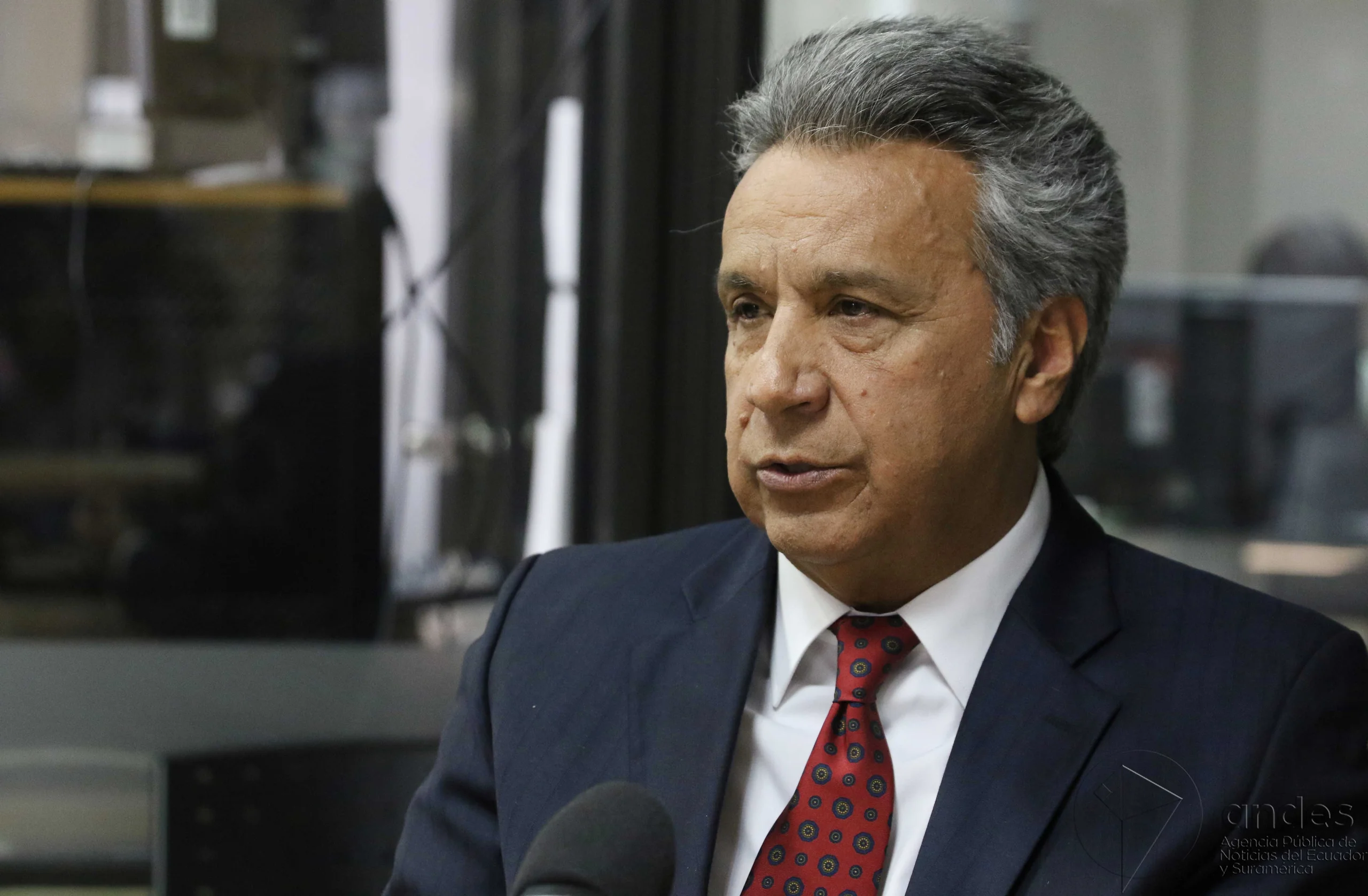
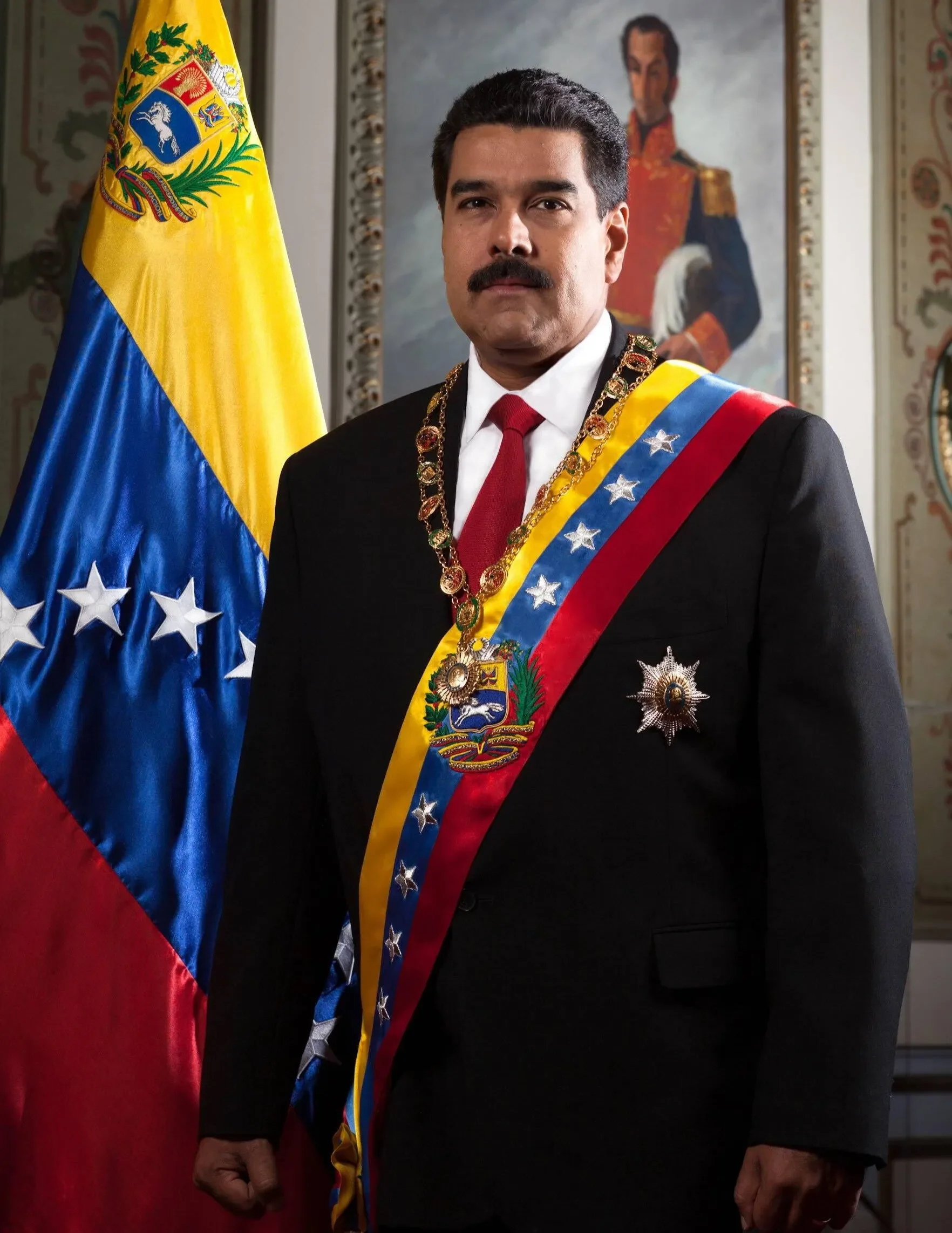
Rafael Correa's political legacy is closely tied to several key figures. Lenin Moreno, his former vice president and successor, became his bitter rival, pursuing corruption charges against him. Anne Malherbe Gosselin, his wife of decades, has stood by him through his presidency and exile. José Serrano, a former minister, faces charges in the Villavicencio assassination case. Correa has maintained close ties with Venezuelan President Nicolás Maduro, and interim President Delcy Rodríguez has sought his advice.
Relationships & Dating History
Public information about Rafael Correa's romantic life before his marriage is extremely limited. There are no credible reports of high-profile relationships prior to his marriage to Anne Malherbe Gosselin. Correa met Malherbe during his time in Belgium while pursuing graduate studies. She is a Belgian national of French descent, and the couple has three children. Malherbe has remained a supportive spouse throughout Correa's presidency, exile, and legal battles. There are no credible reports of separations, infidelities, or divorce proceedings. As of 2026, Correa is married to Anne Malherbe Gosselin, and the marriage is ongoing.
- MarriedAnne Malherbe Gosselin1990 - presentCurrentMet while Correa was studying in Belgium; they have three children together.
Salary, Net Worth In 2026
$10 Million
iFANN Editorial Team estimate
As a former head of state living in exile, Rafael Correa's financial situation has been subject to speculation but little verified reporting. His income sources have historically included his presidential salary, academic earnings, and pension benefits. Since leaving office, he has been active as a political commentator and media figure, including interviews with international outlets such as RT Spanish. No credible celebrity-net-worth outlet has published a verified estimate prior to this analysis, and any figures circulating online should be treated as unsubstantiated. The most notable financial controversy involves corruption charges related to alleged bribery during his presidency, which he denies. Per iFANN's editorial analysis, the total net worth for Rafael Correa stands at $10 Million. As of 2026.
Awards & Accolades
View 2 records, honours and achievementsKnown For
President of Ecuador
2007-2017 · President
PAIS Alliance
2006-2017 · Leader
Keywords
Sources
Quick Facts
- Profession
- economist, politician
- Born
- April 6, 1963
- Birthplace
- Guayaquil, Ecuador
- Gender
- Male
- Spouse
- Anne Malherbe Gosselin
- Children
- 3
- Education
- PhD in Economics, University of Illinois
- Presidency
- 2007-2017
Personal Details
- Full Name
- Rafael Vicente Correa Delgado
- Spouse
- Anne Malherbe Gosselin
- Children
- 3
- Education
- PhD in Economics, University of Illinois at Urbana-Champaign (2001)
Frequently Asked Questions
Is Rafael Correa still president of Ecuador?
Why is Rafael Correa in exile?
What is Rafael Correa's net worth in 2026?
Is Rafael Correa married?
What did Rafael Correa accomplish as president?
Similar People
Join the community
fans discussing