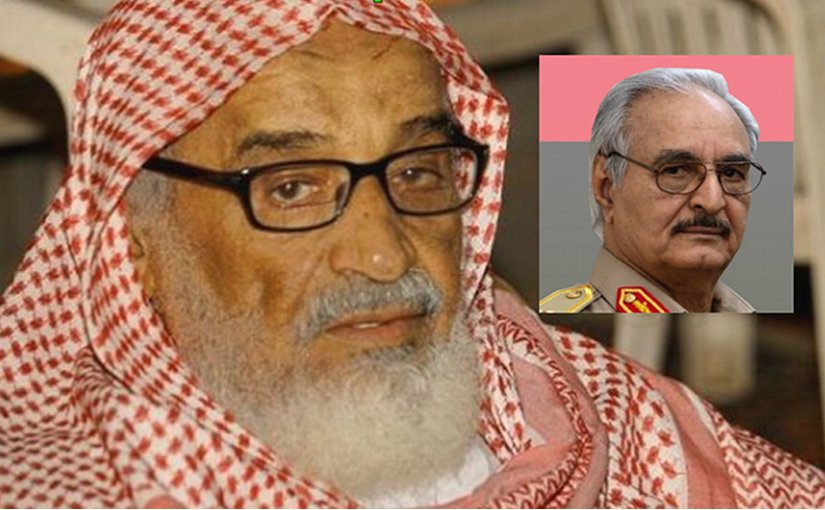
Rabi' al-Madkhali
 Saudi Arabia
Islamic scholar•muhaddith•university professor
Also known as: Rabi' al-Madkhali, Al-Madkhali, Rabee, Rabi ibn Hadi Umair al-Madkhali, Rabee al-Madkhali
Birthday
1933
Birth Sign
Capricorn
Birthplace
Al Jaradiyah, Jizan Province, Saudi Arabia
Age
Died at 92
About
Rabi' bin Hadi 'Umayr al-Madkhali was a Saudi Arabian Islamic scholar, muhaddith, and university professor who became one of the most influential and controversial figures in contemporary Salafism. He passed away on 9 July 2025 in Medina at the age of 92, leaving behind a vast scholarly legacy and a movement that bears his name.
Al-Madkhali is best known as the founder of the Madkhali movement, a quietist Salafi current that emphasizes absolute obedience to political rulers and rejects political activism. His followers, called Madkhalis, are found across the Middle East, North Africa, and Europe, and his ideas have had a significant impact on modern Islamic discourse. Despite the controversy surrounding his teachings, his supporters revere him as a defender of orthodox Salafi methodology and a bulwark against extremism. His scholarly works on hadith criticism and theology remain widely studied, and his lectures continue to circulate through official channels and social media platforms. He was also listed in The Muslim 500 as one of the most influential Muslims, described as a radical thinker and influential writer and speaker.
Early Life & Background
Rabi' al-Madkhali was born in 1933 in the small village of Al Jaradiyah in Saudi Arabia's Jizan Province, near the Yemeni border. He grew up in a modest rural environment, where traditional Islamic learning shaped his early years. He studied Islamic sciences locally in Jizan before relocating to further his education, eventually making his way to the Islamic University of Madinah.
At the Islamic University, al-Madkhali became a close student of the prominent hadith scholar Muhammad Nasiruddin al-Albani. Al-Albani reportedly called him the 'imam of criticism and praise' (Imam al-Jarh wa al-Ta'dil), a title al-Madkhali later humbly declined. Other senior scholars, including Ibn Baz, Ibn Uthaymin, and Muqbil al-Wadi'i, also praised his deep knowledge of hadith and his defense of orthodox Sunni theology. These early scholarly connections laid the foundation for his career as a leading hadith critic and professor. He also began giving lectures and writing treatises during this period, establishing his reputation as a meticulous scholar.
Career Growth
Al-Madkhali spent the bulk of his academic career at the Islamic University of Madinah, where he served as a professor for decades and headed the Sunnah Studies Department. He authored numerous books and treatises, many focused on refuting what he saw as deviations in Islamic thought, and remained active in teaching and writing well into his final years. His scholarly rigor established him as a leading figure in hadith criticism (jarh wa ta'dil) within Salafi circles.
His influence, however, extends far beyond the classroom. The movement gained particular traction in Libya, where Madkhali-aligned forces have been involved in the country's civil conflict, often aligned with General Khalifa Haftar's Libyan National Army and supported by Saudi and UAE funding. The International Crisis Group noted in 2019 that Madkhalis were 'gaining prominence on both sides of Libya's divide.' His death in July 2025 was celebrated by jihadist groups who considered him a 'polytheist' and 'enemy of mujahideen' due to his quietist stance against armed rebellion. His ideas were also analyzed in the context of the 2017 Gulf Crisis as a tool for spreading quietist Salafism. The Atlantic Council described the movement as a 'dangerous game' in Libya's conflict.
Career Timeline
Public Image & Style
Al-Madkhali's public image is sharply divided. Among his followers (Madkhalis), he is revered as a defender of orthodox Salafi methodology and a bulwark against political Islam and extremism. His supporters view his insistence on obedience to rulers as a religious duty and a means of preserving Muslim unity. Critics, including other Salafi scholars and jihadist groups, accuse him of corrupting the manhaj (methodology) and elevating obedience to rulers above Islamic creed. Reddit critics have described him as 'the one who corrupted the manhaj, distorted its meaning, and elevated it far above 'aqeedah.' His content format was primarily scholarly lectures, written treatises, and fatwas delivered in classical Arabic. His official website (rabee.net) and numerous YouTube channels continue to disseminate his teachings, and he was listed in The Muslim 500 as a radical thinker and influential writer and speaker.
Fame & Fandom (iFAMOUS Rankings)
Rabi' al-Madkhali remains a towering, polarizing figure in the Islamic world long after his passing. His influence extends far beyond the lecture halls of Medina, shaping political alignments across North Africa and the Gulf. Despite this profound impact on religious discourse and regional conflicts, iFANN's Global Fame Engine has evaluated him but he does not currently hold a placement in the published rankings (Global Top 1,000 or a Top-100 scope list). He does not currently hold a position in the Global Top 1,000 or any scope-specific list where fame is quantified by mainstream consumption metrics. This absence from standard charts reflects his unique status as a scholar rather than an entertainer; his reach was measured in theological shifts and geopolitical maneuvering rather than streaming numbers or box office returns. The movement bearing his name, Madkhalism, operates with a rigid structure that prioritizes obedience to rulers over public adoration. Followers identify simply as adherents to this methodology, avoiding the fan culture rituals common among pop icons. There are no organized campaigns for birthday billboards or charity drives driven by a specific fanbase identity. Instead, devotion manifests through the dissemination of his lectures and strict adherence to his quietist principles. While rival groups celebrated his death as a victory against perceived corruption, his supporters mourned a great Imam who defended orthodox Salafi methodology. The lack of a formal fandom name underscores the scholarly nature of his following; they were students seeking guidance, not fans chasing stardom. His digital footprint remains active on platforms like YouTube, yet this organic sharing represents religious piety rather than coordinated fan activity. The global reaction to his death highlighted deep fissures within Islamic thought, proving his relevance transcended traditional fame metrics.
Interesting Facts and Legends
Al-Madkhali declined the title 'Imam al-Jarh wa al-Ta'dil' offered by al-Albani, preferring to remain humble despite his stature. His namesake movement, Madkhalism, evolved into a significant political-religious force in Libya, where the Atlantic Council described its role as a 'dangerous game' amidst the country's conflict. An International Crisis Group report dedicated specifically to the rise of his followers documented how his teachings directly influenced armed group alignments during modern civil wars. Following his death, jihadist groups publicly celebrated his passing, viewing him as an enemy of their cause. Unlike secular figures who receive awards like Oscars or Grammys, his recognition came strictly within the Islamic scholarly tradition, earning him a listing in The Muslim 500. A widely retold story in political analysis details how his ideology was exported to Libya to counter the Muslim Brotherhood, often funded by external powers to support General Khalifa Haftar's forces. Another enduring narrative involves his internal critics accusing him of elevating obedience to rulers above core Islamic creed, a debate that continues to fuel discussions within Reddit communities like r/extomatoes. These stories illustrate a legacy defined by intense polarization and deep theological divides.
Family & Personal Life
Details about al-Madkhali's personal family life are extremely limited in public sources. He was known to have children, though specific names and details are not widely documented. He spent his professional life in Medina, where he taught at the Islamic University. His will, released after his death, urged Muslims to hold fast to the Quran, Sunnah, and the path of the early Muslim generations (the Salaf). He came from the Madkhali tribe of the Jizan region, and his full lineage is Rabī' ibn Hādī ibn 'Umayr al-Madkhalī.
Notable Connections
Al-Madkhali was closely associated with several senior scholars, including his primary teacher Muhammad Nasiruddin al-Albani, who praised him as the 'imam of criticism and praise.' He also received praise from Ibn Baz, Ibn Uthaymin, and Muqbil al-Wadi'i. In the political sphere, his followers have been aligned with General Khalifa Haftar's forces in Libya.
Relationships & Dating History
As a conservative Islamic scholar who lived in Saudi Arabia, no public information exists regarding romantic relationships, dating history, or marriages beyond the general knowledge that he was married and had a family. His personal life was not a subject of public discourse, and no credible sources document any relationships beyond his marriage. This privacy is consistent with the cultural and religious norms of his community.
- MarriedMarried and had a family, details not publicly documented.
Death & Aftermath
Died
July 9, 2025 (aged 92)
Death Place
Unknown
Cause of Death
Unknown
The scholar died in Medina at the age of ninety-two, though the specific circumstances of his final days and the exact location within the city remained private. Major outlets like The New Arab and OrientXXI published retrospective profiles shortly after the announcement, analyzing the trajectory of the Madkhalism movement he founded. These reports confirmed his passing occurred in early July 2025, with media coverage appearing on July 10 and July 11.
The reaction to his death was sharply polarized across the ideological spectrum. While his followers mourned the loss of their primary spiritual guide, jihadist groups celebrated the event, labeling him a polytheist and an enemy of the mujahideen due to his longstanding quietist stance against armed rebellion. This celebration highlighted the deep fractures within the broader Salafi community regarding political obedience and violence.
His will, released following his death, urged Muslims to adhere strictly to the Quran, Sunnah, and the path of the early generations. The handling of his estate remained a private matter, with no public figures or commercial surges documented in the immediate aftermath. No police investigation or legal ruling connected to his death appeared in available records, leaving the focus of posthumous discussion on his ideological legacy rather than forensic or administrative details.
Net Worth (Estate Value)
$5 Million
iFANN Editorial Team estimate
Rabi' al-Madkhali's personal net worth is not publicly documented in detail, and as a university professor and religious scholar, he did not accumulate wealth comparable to celebrities or business figures. His income primarily derived from his academic salary, book royalties, and lecture fees. Sources indicate he profited from various opportunities related to Saudi Arabia's global spread of Salafism. Following his death, his estate is managed by his family, with potential revenue continuing from ongoing book sales and lecture recordings. Per iFANN's editorial analysis, the estate is estimated to be worth around $5 million as of 2026, based on the value of his published works and intellectual property.
Awards Won (1)
Rabi' al-Madkhali did not receive secular awards, but he was recognized within the Islamic scholarly tradition. He was praised by senior scholars including Ibn Baz, Ibn Uthaymin, and Muqbil al-Wadi'i for his hadith expertise. Al-Albani reportedly titled him the 'imam of criticism and praise,' a title he declined. He was also listed in The Muslim 500 as one of the world's most influential Muslims.
2020 · Influence
Listing as one of the world's most influential Muslims
Known For
Founding the Madkhali movement
1990 · Founder
Head of Sunnah Studies Department at Islamic University of Madinah
1980 · Professor
Keywords
Sources
Quick Facts
- Profession
- Islamic scholar, muhaddith, university professor
- Born
- 1933
- Birthplace
- Al Jaradiyah, Jizan Province, Saudi Arabia
- Died
- July 9, 2025
- Death Place
- Medina, Saudi Arabia
- Gender
- Male
- Known for
- Founder of Madkhalism
Personal Details
- Full Name
- Rabi' ibn Hadi 'Umayr al-Madkhali
- Education
- Islamic University of Madinah
Frequently Asked Questions
What is Madkhalism?
When did Rabi' al-Madkhali die?
Why is Rabi' al-Madkhali controversial?
What was Rabi' al-Madkhali's relationship to al-Albani?
What was Rabi' al-Madkhali's role at the Islamic University of Madinah?
Social Media
Join the community
fans discussing