Overview
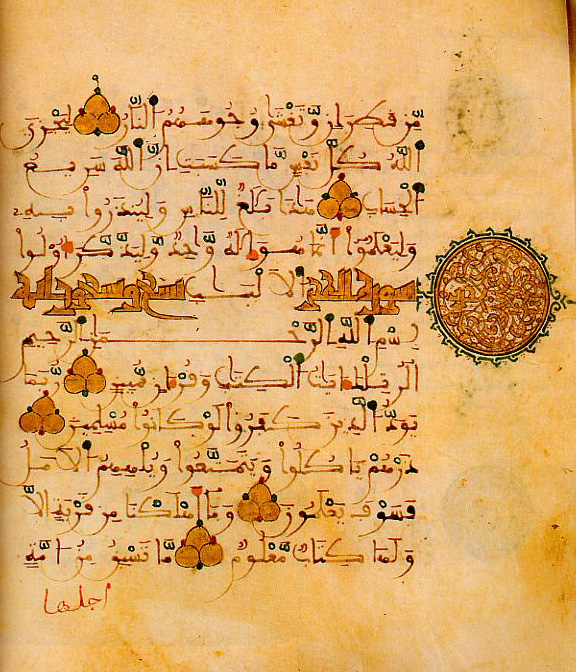
Muslims regard the Qur'an as the literal word of God revealed to the Prophet Muhammad through the angel Gabriel over a span of roughly twenty-three years. The revelations started in 610 CE on the Night of Power and concluded in 632 CE when Muhammad passed away. This divine speech unfolds across 114 chapters known as surahs, which vary from short passages to lengthy discourses containing individual verses called ayahs. Early followers memorized these words and recorded them on palm leaves, stone tablets, and animal shoulder blades before they were compiled into a single manuscript.
Under the third Caliph Uthman ibn Affan, who ruled from 644 to 656 CE, scholars commissioned a standardized version of the text to ensure uniformity across the expanding Muslim empire. This Uthmanic codex became the definitive edition, and all other variant versions were reportedly destroyed to prevent sectarian division. The text remains the basis for the Qur'an used globally today and serves as the primary source for Islamic law, theology, and moral guidance.
Classified primarily as religious literature, the work is also recognized as a masterpiece of Arabic literature that fundamentally shaped the development of the language. Its unique style combines prose and poetry, utilizing rhythmic rhymed prose known as saj' and intricate rhetorical devices. The content covers monotheism, stories of previous prophets like Adam, Noah, Abraham, Moses, and Jesus, laws regarding inheritance and marriage, ethical conduct, and descriptions of the afterlife.
Keywords
Sources
Book Info
- Language
- Quranic Arabic
- Revelation Period
- 610–632 CE
- Total Chapters
- 114
- Approximate Verses
- 6,236
- Standardization Caliph
- Uthman ibn Affan
- Original Language
- Quranic Arabic
- Primary Followers
- Muslims
Join the community
fans discussing